


| Quantity: | |
|---|---|


Elite's high-strength SMC composite parts are designed for industrial, electrical, automotive, transportation and outdoor applications where mechanical strength, lower component weight, corrosion resistance and dimensional stability need to be considered together.
Manufactured from glass-fiber-reinforced Sheet Molding Compound (SMC), these compression-molded components can be customized according to structural loads, electrical insulation requirements, environmental exposure, geometry and assembly conditions.
Product Focus: High-strength SMC composite | Mechanical stress resistance | Electrical insulation | Corrosion resistance | Precision molding | OEM/ODM custom parts
SMC combines thermosetting resin with glass-fiber reinforcement to provide structural strength without relying on the weight of conventional metal components.
The reinforcement formulation can be adjusted according to product geometry, expected load, wall thickness and application requirements. This allows engineers to balance mechanical performance, weight and manufacturing efficiency when replacing metal or conventional plastic parts.
For structural components with defined tensile, flexural, impact or fatigue requirements, customers should provide the required values and test standards during the RFQ stage so that the appropriate SMC formulation can be reviewed.
Industrial components may experience repeated loading, vibration, impact and assembly stress throughout their service life. Glass-fiber-reinforced SMC can provide greater stiffness and structural stability than many unreinforced thermoplastics.
Proper material formulation and part design help reduce deformation, cracking and premature wear under repeated service conditions. Final performance depends on fiber content, resin system, rib design, wall thickness, insert locations and molding conditions.
For safety-critical or high-cycle parts, mechanical validation should be based on the exact molded component rather than general SMC material properties alone.
SMC composite does not rust in the same way as conventional steel or ferrous components. This makes it suitable for outdoor equipment, marine-related applications, industrial environments and infrastructure exposed to moisture or weather.
Color and UV-resistant formulations can also be reviewed where components require long-term outdoor exposure without relying entirely on secondary painting.
For acids, alkalis, oils, solvents, salt spray or other specific chemical environments, customers should provide the actual chemical concentration, exposure method and operating temperature so that material compatibility can be evaluated.
SMC thermoset materials provide greater thermal dimensional stability than many conventional thermoplastic materials and can be formulated for applications exposed to elevated operating temperatures.
Flame-retardant and low-halogen or halogen-free formulations may also be developed when required by the project specification.
Material Selection Note: UL 94 rating, flame-retardant performance and halogen requirements depend on the exact SMC formulation. Specify the required standard before material approval rather than assuming that every SMC formulation provides the same fire performance.
SMC is a non-metallic material with useful electrical insulation properties, making it suitable for switchgear, busbar supports, electrical housings, insulation structures and other electrical components.
Depending on the formulation, project requirements may include dielectric strength, arc resistance, tracking resistance, CTI, insulation resistance or flame-retardant performance.
These values should be confirmed for the exact material formulation and molded component, particularly for medium- or high-voltage applications.
Compression-molded SMC can form ribs, bosses, mounting holes, textured surfaces, cable interfaces and other complex geometry within a single molded component.
This design flexibility can help reduce secondary machining or assembly operations while improving dimensional consistency during batch production.
Metal inserts can also be incorporated where required for fastening, grounding interfaces, threads or structural assembly, subject to mold-flow and stress analysis.
Switchgear and electrical insulation components
Busbar supports and mounting structures
Electrical housings and protective covers
Industrial machine components
Automotive structural and electrical parts
Transportation equipment
Outdoor electrical equipment
Marine and corrosion-prone applications
Battery and energy-system components
Customized structural composite parts
Engineering Requirement |
SMC Composite Advantage |
|---|---|
Structural Strength |
Glass-fiber reinforcement supports stiffness and mechanical performance |
Weight Reduction |
Lower density than many conventional metal components |
Corrosion Resistance |
Composite material does not rust like ferrous metals |
Electrical Insulation |
Non-metallic formulation suitable for many electrical applications |
Complex Geometry |
Ribs, bosses, holes and functional features can be compression molded |
Batch Consistency |
Dedicated tooling supports repeatable dimensions for production volumes |
Surface Options |
Matte, smooth, textured and colored molded surfaces can be developed |
For structural SMC components, material selection alone does not determine whether a part will withstand the required mechanical stress. Geometry and loading conditions are equally important.
During engineering review, the following factors should be considered:
Static and dynamic load direction
Tensile, bending and compression requirements
Impact and fatigue conditions
Wall thickness and reinforcement ribs
Mounting and fastening locations
Metal insert positions
Operating temperature
Chemical and outdoor exposure
Dimensional tolerances
Engineering Tip: Send the 2D/3D drawing together with load direction, operating temperature and required mechanical values. This allows material formulation and structural design to be reviewed together instead of treating SMC as a one-specification material.
When an SMC component is used in switchgear or another electrical assembly, procurement should define the required insulation performance before mold development.
Depending on the application, project specifications may include:
Dielectric strength
Insulation resistance
Arc resistance
Comparative Tracking Index (CTI)
Flame-retardant rating
Operating voltage
Creepage and clearance requirements
Operating temperature
Elite can review these requirements together with part dimensions and structural loads to select an appropriate SMC formulation.
Elite provides OEM and ODM SMC compression-molding support from requirement review through tooling and batch production.
The engineering team reviews the part drawing, mechanical loads, electrical requirements, environmental conditions, assembly interfaces and expected production volume.
Glass-fiber reinforcement, resin system, flame-retardant requirements, color and other material characteristics are selected according to the application.
Part geometry is evaluated for compression molding, including draft angle, ribs, inserts, flow direction, wall thickness and dimensional tolerances.
Samples can be evaluated for dimensions, assembly fit, appearance and required mechanical or electrical performance before mass-production approval.
After approval, production follows the confirmed tooling, process conditions and inspection requirements to support repeatable batch quality.
Learn more about our custom SMC molding capabilities.
Part dimensions and complex geometry
Glass-fiber reinforcement level
Mechanical performance requirements
Electrical insulation formulation
Flame-retardant requirements
UV and outdoor formulations
Color and molded surface texture
Metal inserts and threaded components
Logos and molded identification
Dimensional tolerance and inspection criteria
Elite New Materials has more than 20 years of experience in SMC and BMC composite products and supports both infrastructure products and customized molded components.
For custom SMC parts, quality control should focus on the characteristics that affect the customer's actual assembly and service conditions rather than only surface appearance.
Inspection can include material verification, dimensional measurement, molded surface inspection, insert position, assembly fit and project-specific mechanical or electrical testing according to the agreed quality plan.
For parts requiring a specific UL, IEC, ASTM, ISO or other standard, customers should provide the required test method and acceptance criteria during product development so that the applicable material and test documentation can be confirmed.
View more information about quality inspection and technical support.
Elite supports batch production and international delivery of customized SMC components. Packaging can be selected according to part geometry, surface finish, edge protection and assembly requirements.
For export projects, customers should provide the required quantity, destination, production schedule and packaging requirements during quotation.
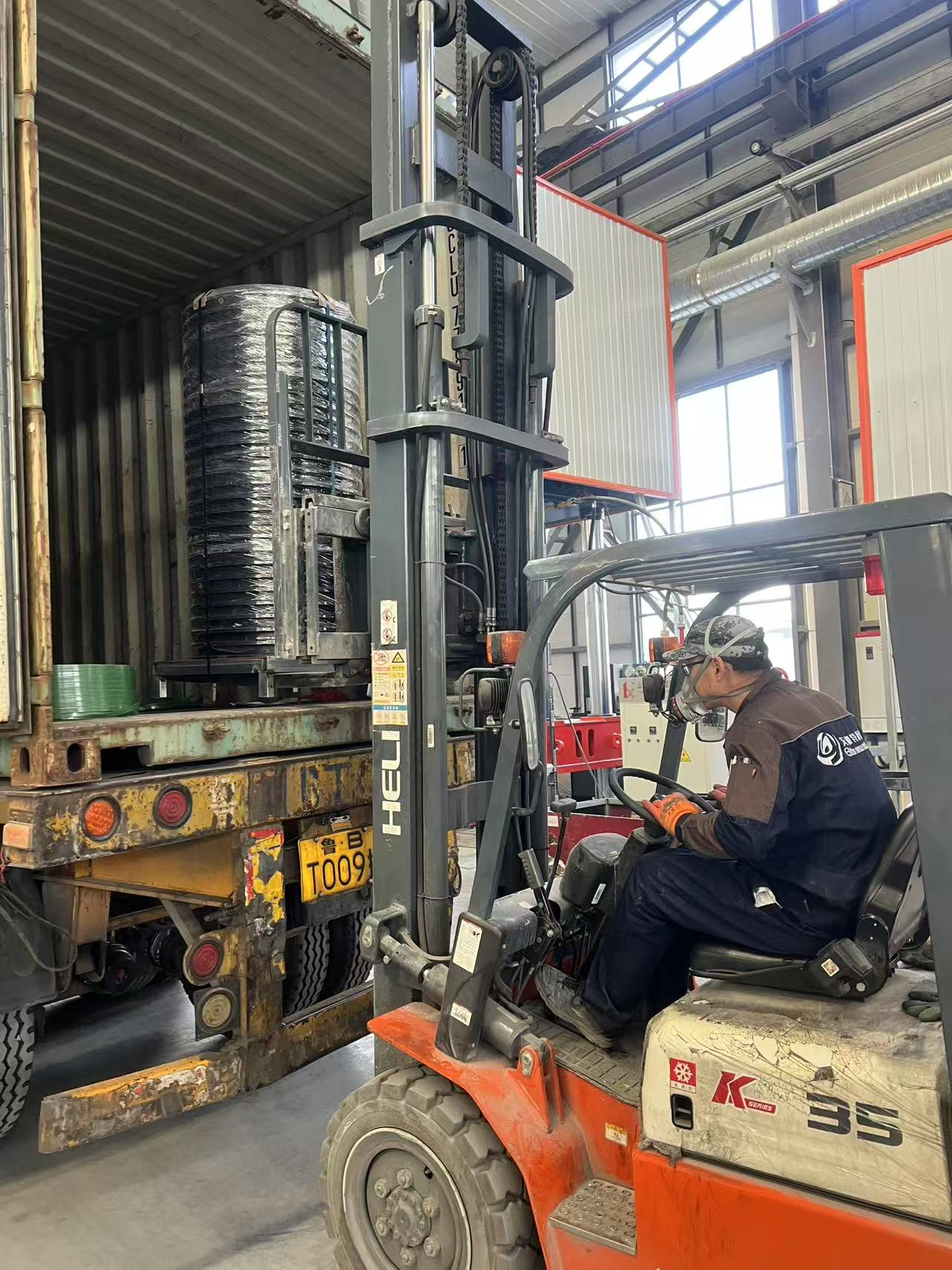
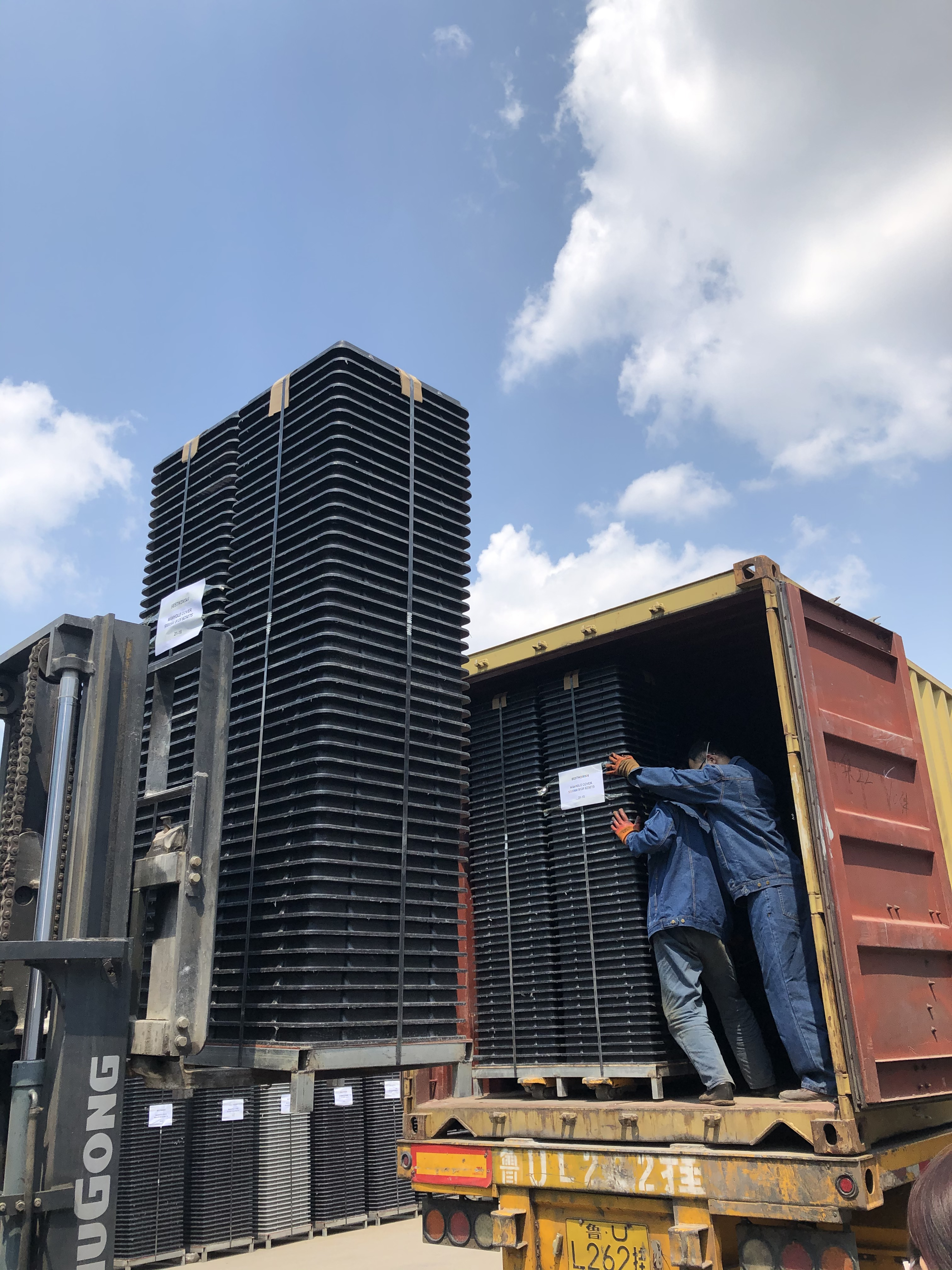
For customized molded parts, long-term cooperation depends on dimensional consistency, production stability, technical communication and the ability to reproduce an approved part across multiple production batches.
The following customer communication images are retained from the original product page as direct examples of repeat cooperation and customer feedback.


Composite part development can also consider lifecycle requirements such as corrosion resistance, reduced maintenance, component weight and service durability.
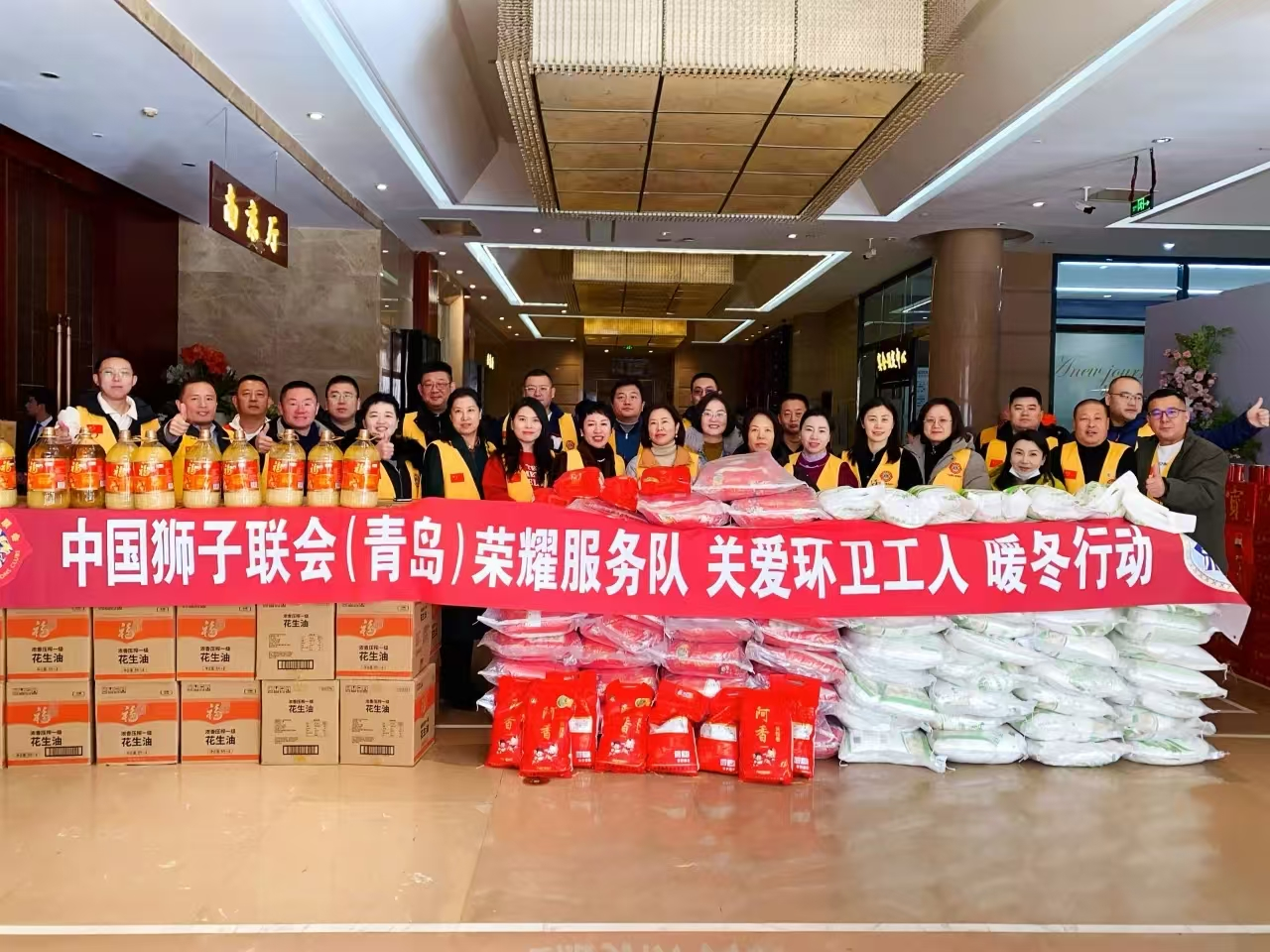
Elite also participates in local community and social-service activities as part of its broader corporate responsibility efforts.

2D drawing and 3D model if available
Overall dimensions and critical tolerances
Static and dynamic load requirements
Required tensile, flexural or impact performance
Electrical insulation requirements
Operating temperature range
Flame-retardant or UL requirements
Chemical, UV or outdoor exposure conditions
Metal insert or fastening requirements
Surface finish and color
Annual quantity and expected production volume
Required test reports or inspection documents
Destination country
Target production schedule
SMC parts are manufactured from a thermosetting resin compound reinforced with glass fibers and other formulation components selected according to the required mechanical, electrical and environmental performance.
In some applications, yes. SMC can provide lower weight, corrosion resistance and electrical insulation while maintaining useful structural strength. Suitability depends on the actual loads, geometry, temperature and safety requirements of the component.
Glass-fiber reinforcement improves stiffness and mechanical performance, while the molded geometry can incorporate ribs and other structural features to distribute applied loads. Final stress resistance should be verified on the exact part design.
Yes. SMC is widely used for many electrical insulation applications. The required dielectric strength, CTI, arc resistance, flame rating and other electrical parameters should be defined according to the actual electrical system.
Flame-retardant SMC formulations can be developed for specific fire-performance requirements. UL 94 classification depends on the exact material formulation and tested specimen, so the required rating should be confirmed before material selection.
Yes. Depending on part design and manufacturing feasibility, threaded inserts, bushings and other metal components can be integrated during molding or subsequent assembly.
Yes. Customers can provide 2D drawings, 3D models, samples or existing specifications for engineering review. Elite can evaluate material formulation, tooling and compression-molding feasibility before quotation.
Please provide drawings, dimensions, tolerances, mechanical loads, electrical requirements, operating environment, material or certification requirements, annual quantity and required delivery schedule.
Whether you need a high-strength structural component, electrical insulation part, corrosion-resistant outdoor component or a complex OEM SMC molding project, Elite can review your drawings, mechanical requirements, material specifications and production volume before quotation.
Contact Elite New Materials for a custom SMC parts quotation or learn more about our SMC OEM and ODM molding services.
