
Views: 0 Author: Site Editor Publish Time: 2025-12-25 Origin: Site


Drainage systems are essential for maintaining proper water flow and preventing flooding in both urban and industrial environments. A crucial component of these systems is the drainage grate, which serves as a protective cover for stormwater drains, gullies, and channels. Drainage grates are exposed to harsh environmental conditions, high traffic loads, and continuous wear and tear, making it vital to choose durable materials for their construction.
As the need for sustainable materials increases, composite drainage grates made from resin, polymer concrete, and other eco-friendly materials are becoming a preferred alternative to traditional metal grates. These composite materials offer improved performance, durability, and environmental benefits. In this article, we will discuss the top features to look for in durable composite drainage grates and explain why these features are crucial for the longevity, safety, and functionality of drainage systems. Whether you're selecting grates for roads, parking lots, airports, or industrial facilities, understanding these features will help ensure that you make the right decision for your project.
Composite drainage grates are made from materials such as resin-based compounds, polymer concrete, and recycled plastics. These materials are designed to offer superior durability, corrosion resistance, and performance, especially in environments exposed to harsh weather conditions, heavy loads, and chemicals. Unlike traditional metal grates, composite grates are lightweight, resistant to rust, and can withstand extreme conditions without deteriorating over time.
Composite grates are ideal for managing water flow while preventing debris and large objects from entering drainage systems. The use of eco-friendly materials further contributes to sustainability, making composite grates an excellent choice for modern infrastructure projects.
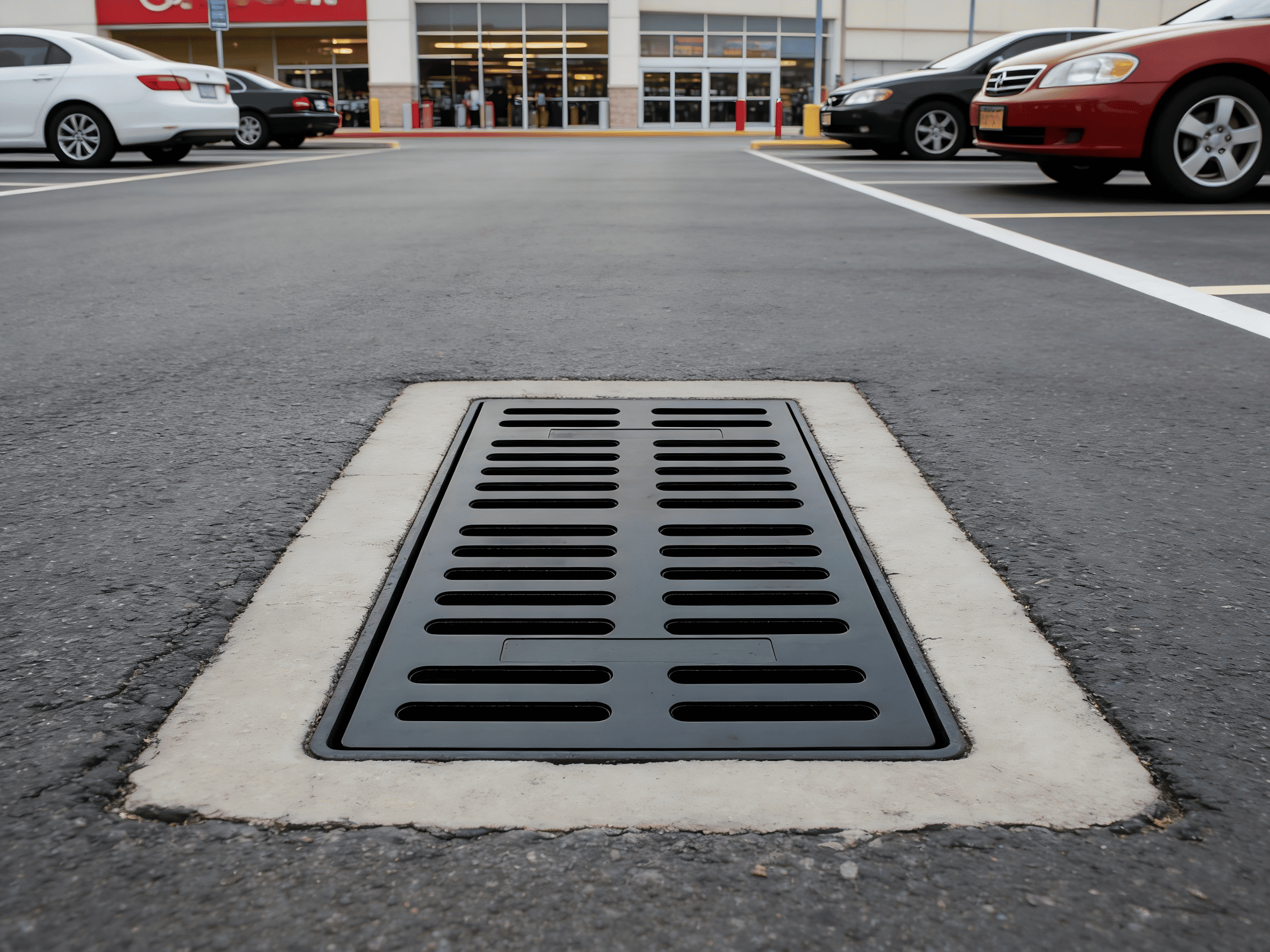
When choosing durable composite drainage grates for your project, several factors need to be considered to ensure the grates perform optimally under varying conditions. These features contribute to the durability, safety, and effectiveness of the grates in the long run.
One of the most important factors to consider when selecting composite drainage grates is their load-bearing capacity. These grates are often exposed to vehicular traffic, machinery, and other heavy loads, especially in high-traffic areas like roads, parking lots, and industrial zones. The grates need to be designed to handle the weight of vehicles, trucks, and heavy equipment without cracking or failing.
Composite materials such as polymer concrete and recycled plastics provide the necessary compression resistance to prevent the grates from collapsing or deforming under heavy loads. By choosing grates with the appropriate load-bearing capacity, you ensure that the drainage system remains functional and safe, even in high-traffic environments.
Load Classes:
Class A: Pedestrian areas with light traffic
Class B: Residential roads and light commercial traffic
Class C: Roads with moderate traffic
Class D: Heavy-duty traffic, such as highways or industrial areas
Class E: Areas with very heavy traffic, including airports and freight areas
Selecting the correct load class ensures that the grate can withstand the pressure exerted by traffic while maintaining its functionality and safety.
Corrosion is a significant concern for drainage grates, particularly in areas exposed to moisture, saltwater, chemicals, and extreme weather conditions. While traditional metal grates made from cast iron or steel are prone to rust and corrosion, composite grates offer superior resistance to these environmental factors.
Materials like polymer concrete, resin-based compounds, and recycled plastics are highly resistant to corrosion, ensuring that the grates maintain their integrity and performance over time. This resistance to corrosion is especially important for grates used in coastal areas, industrial zones, or places exposed to harsh chemicals. The use of coatings such as epoxy or powder coating can further enhance the corrosion resistance of composite grates.
Composite grates used in outdoor environments must be able to withstand exposure to UV radiation, extreme temperatures, and severe weather conditions. Materials such as polymer concrete and resin-based composites are designed to resist UV degradation, oxidation, and temperature fluctuations. These materials maintain their stability and performance, unlike metals that may expand and contract with temperature changes.
The ability to resist UV rays ensures that the grates do not become brittle or crack over time, even when exposed to prolonged sunlight. This weather resistance makes composite grates a long-lasting and reliable option for drainage systems in both hot and cold climates.
Safety is a top priority, especially in high-traffic areas. Composite drainage grates must provide a secure surface for pedestrians and vehicles, preventing accidents caused by slipping. Anti-slip features, such as textured surfaces or patterned designs, are commonly incorporated into the design of composite grates to enhance traction, especially in wet, icy, or rainy conditions.
Composite grates with anti-slip features are particularly important in areas prone to heavy rainfall, snow, or flooding. These grates reduce the risk of slips and falls, improving safety for both pedestrians and vehicles in public spaces, industrial facilities, and commercial areas.
Ease of maintenance is another crucial feature to consider when selecting durable drainage grates. Over time, grates can become clogged with debris, which may affect the efficiency of the drainage system. Composite grates that are easy to remove and clean are essential for minimizing downtime and ensuring that the drainage system functions effectively.
Many modern composite grates are designed with lifting handles or removable grates that make it easy to access the drainage system for cleaning, inspections, and repairs. This accessibility is especially important in areas with high amounts of debris or where regular maintenance is required.
While functionality is the primary purpose of drainage grates, their aesthetic appeal should not be overlooked, especially in urban areas and public spaces. Composite drainage grates can be designed in various colors, patterns, and finishes, allowing them to blend seamlessly with the surrounding environment. This is particularly important for cities and municipalities that aim to enhance the visual appeal of their infrastructure while maintaining functionality.
Whether you need a sleek, modern design for new developments or a more classic look for historic areas, composite grates offer versatile design options that meet both functional and aesthetic requirements.
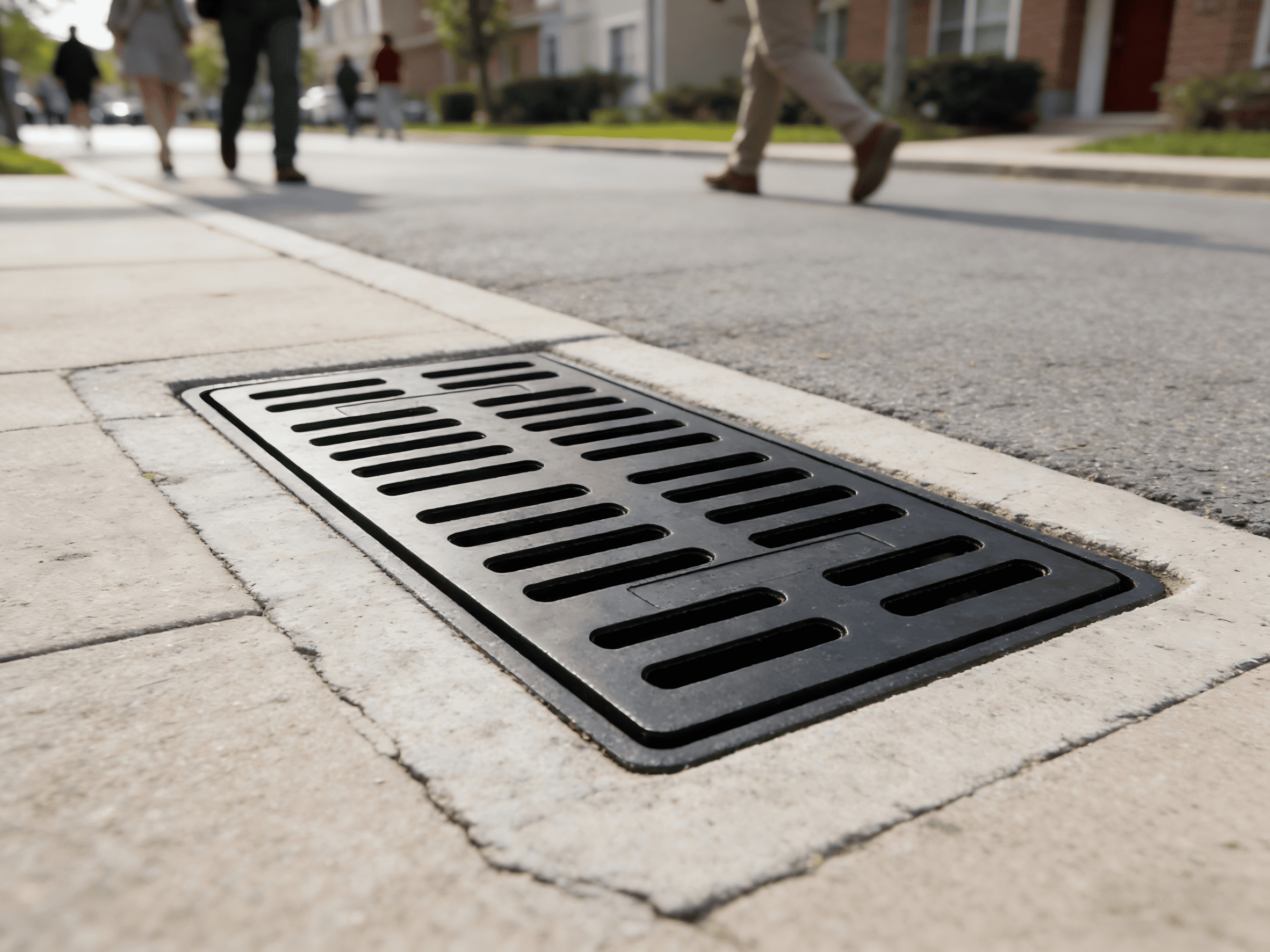
Durable composite drainage grates are used across a wide range of sectors and applications, each requiring different specifications based on traffic volume, environmental conditions, and the specific needs of the site. Some common applications include:
In urban environments, composite drainage grates are used to manage stormwater runoff and prevent flooding. These grates are often installed along roadsides, sidewalks, and public roads where high traffic volumes make durability and load-bearing capacity essential. Composite materials like polymer concrete and recycled plastics provide strength and corrosion resistance, making them ideal for urban streets.
Parking lots, airports, and other high-traffic areas require drainage grates that can withstand heavy vehicle loads. Composite grates made from resin-based compounds or polymer concrete offer the necessary strength and durability to handle the weight of large vehicles such as trucks, buses, and airplanes while efficiently managing stormwater runoff.
In industrial facilities, composite drainage grates are used to protect drainage systems from clogging caused by chemicals, oils, and other substances. Materials like polymer concrete, recycled plastics, and resin-based compounds are perfect for these environments due to their corrosion resistance and durability under harsh conditions.
Coastal areas are subject to saltwater exposure, making it essential to use corrosion-resistant materials for drainage systems. Composite grates made from materials like marine-grade aluminum, resin compounds, or recycled plastics offer excellent resistance to corrosion caused by saltwater and UV degradation, ensuring long-lasting performance in coastal environments.
Choosing the right drainage grate is crucial to ensuring the longevity, safety, and effectiveness of your drainage system. By considering factors such as load-bearing capacity, corrosion resistance, slip resistance, and ease of maintenance, you can ensure that your drainage infrastructure meets the demands of harsh environments. Durable composite grates made from sustainable materials help reduce the risk of blockages, improve water flow, and contribute to the overall safety and functionality of drainage systems.
At Elite New Materials, we specialize in manufacturing high-quality, durable composite drainage grates designed to withstand the harshest environmental conditions. Our products offer superior strength, corrosion resistance, and reliability, ensuring that your drainage system remains functional and efficient for years to come.
Q: What are the most durable materials for composite drainage grates?
A: The most durable materials for composite drainage grates include resin-based compounds, polymer concrete, recycled plastics, and marine-grade alloys, each providing excellent resistance to wear, corrosion, and heavy loads.
Q: How can I determine the right load-bearing capacity for my composite drainage grate?
A: The right load-bearing capacity depends on the expected traffic conditions. For high-traffic areas, such as roads or airports, opt for composite grates designed to handle heavy loads. For pedestrian areas, lighter load-bearing grates will suffice.
Q: Can composite drainage grates be customized for specific applications?
A: Yes, composite drainage grates can be customized in terms of size, material, design, and anti-slip features to meet the specific needs of your infrastructure or environment.
Q: How do corrosion-resistant composite grates improve drainage system longevity?
A: Corrosion-resistant composite grates prevent rust and deterioration from environmental exposure, ensuring that the grates last longer and perform effectively in environments with moisture, chemicals, and harsh weather.


