
Views: 0 Author: Site Editor Publish Time: 2026-01-06 Origin: Site


When designing drainage systems for heavy-duty applications, it is crucial to select the right materials to ensure efficiency and durability. While metal grates are commonly used, resin and composite material drainage grates are becoming increasingly popular due to their superior strength, resistance to corrosion, and lightweight properties. In environments where drainage systems are subjected to extreme conditions—such as heavy traffic, industrial equipment, and harsh weather—the right drainage grate plays a critical role in performance and safety.
In this article, we will explore the key aspects of selecting resin and composite material grates for high-load applications. We’ll discuss how these materials compare to traditional metals, their benefits, and factors such as durability, environmental impact, and strength. By understanding these elements, you’ll be equipped to make an informed decision for your drainage system.
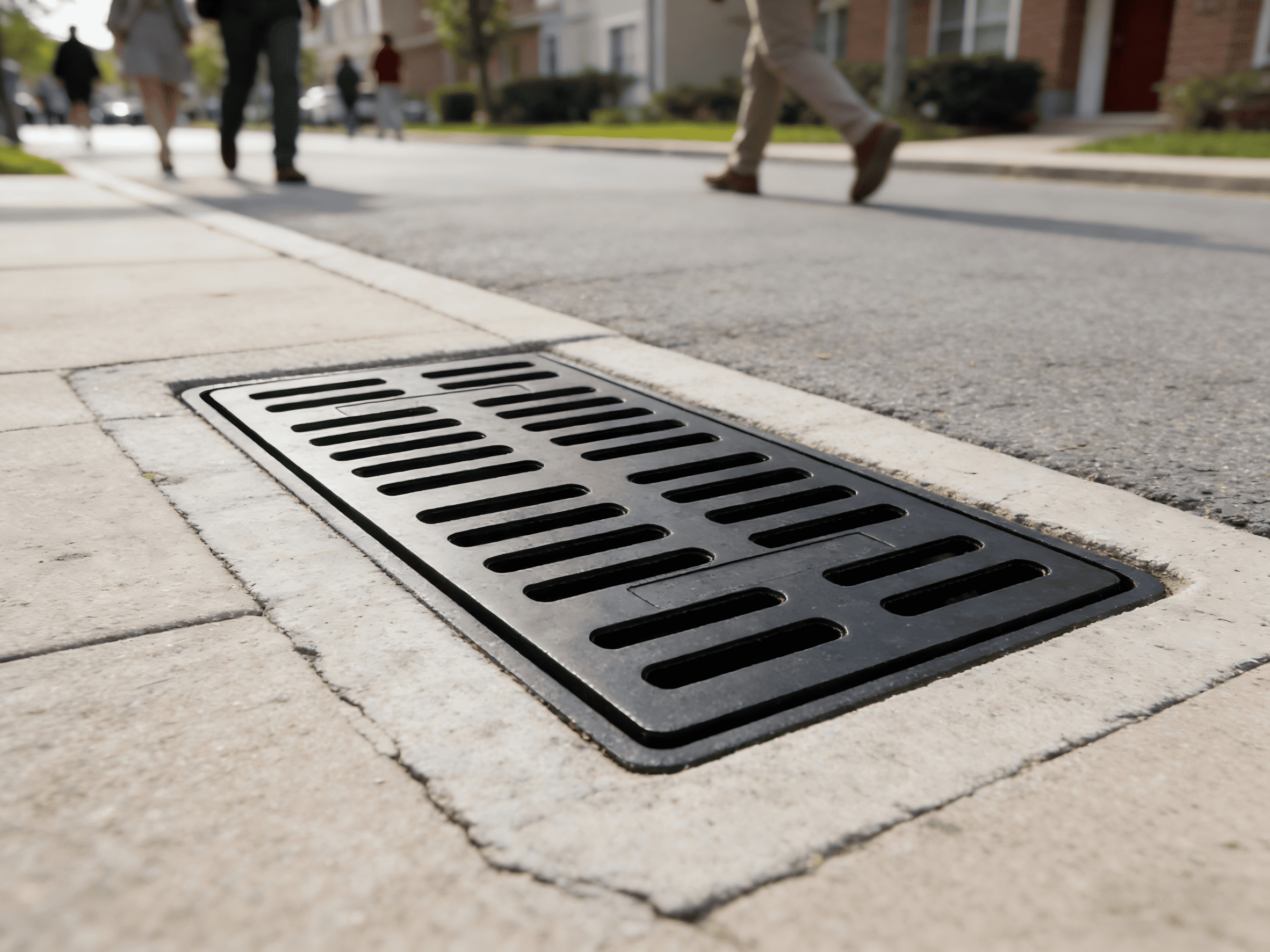
Resin and composite material drainage grates are made from a mix of materials such as polymer resins, fiberglass, and other reinforcing agents that make them lightweight, yet strong and durable. These grates are ideal for high-load applications, providing excellent resistance to chemical exposure, abrasion, and weathering.
Unlike traditional metal grates, resin and composite grates offer advantages in terms of corrosion resistance and ease of installation, all while maintaining excellent load-bearing capacity.
Corrosion Resistance: Composite materials are inherently resistant to rust and corrosion, which makes them particularly well-suited for environments exposed to water, chemicals, or salt.
Lightweight: Unlike metal grates, composite grates are often lighter, which makes them easier to handle during installation and maintenance.
Customization: Resin and composite grates can be molded into various shapes, sizes, and designs to fit specific application needs.
These features make resin and composite grates a cost-effective, durable, and sustainable choice for various high-load environments.
Selecting the right drainage grate for high-load applications requires careful evaluation of several factors. Below are the key considerations when choosing resin or composite material grates:
The load-bearing capacity is one of the most critical factors when choosing a drainage grate. Composite grates are classified into load categories to ensure that they can safely handle the expected traffic, equipment, and environmental conditions.
Class A: For pedestrian areas with minimal vehicle traffic.
Class B and C: For light vehicle traffic, such as residential roads or light commercial areas.
Class D and E: For heavy-duty applications like industrial zones or highways with heavy vehicles and machinery.
It’s essential to select a composite drainage grate that meets the appropriate load classification to ensure durability and safety.
Resin and composite materials are engineered for strength and resilience, making them ideal for high-load applications. The key components of composite grates include fiberglass, polymer resins, and other strengthening agents, all contributing to a robust material that withstands significant pressure without cracking or warping.
Fiberglass-Reinforced Plastic (FRP): Known for its high tensile strength, impact resistance, and long-lasting performance, FRP is commonly used for industrial drainage grates. It is non-corrosive, reducing maintenance needs.
Choosing the right material ensures that the grate will withstand high traffic volumes and heavy loads over time without deterioration.
One of the biggest advantages of resin and composite grates over traditional metal grates is their resistance to corrosion. In high-load environments, particularly those exposed to moisture, chemicals, or extreme weather, corrosion can lead to a decline in grate performance, potentially causing safety hazards and costly repairs.
Polymer-based grates have excellent resistance to rust, salt corrosion, and chemical degradation, making them a durable option for environments like coastal areas, industrial sites, and regions with frequent snowfall (where salt is commonly used for de-icing).
Choosing a resin or composite material that resists corrosion helps maintain the structural integrity of the drainage system over time, saving on maintenance costs and improving reliability.
Safety should always be a primary concern when selecting a drainage grate, particularly in high-traffic areas where pedestrians or vehicles frequently pass. Resin and composite grates can be designed with features that enhance safety and minimize the risk of accidents:
Slip Resistance: Many resin and composite grates are designed with textured surfaces or patterns that provide traction, making them slip-resistant even in wet conditions.
No Sharp Edges: Unlike metal grates, composite grates often have smooth edges or safety covers that reduce the risk of injury, particularly in high pedestrian areas.
Ease of Access: The lightweight nature of composite grates makes them easier to lift and remove for maintenance or cleaning, reducing the risk of injury during routine work.
Ensuring the safety and accessibility of drainage grates is essential to creating an environment that is both functional and secure.
Sustainability is a growing concern in modern construction and infrastructure projects. The choice of materials for drainage grates can have a significant impact on the environmental footprint of a project. Fortunately, resin and composite materials are often more sustainable than traditional metal alternatives.
Recyclability: Many composite grates are made from recyclable materials, such as recycled plastics or steel reinforcements, which help reduce the environmental impact at the end of the product’s lifecycle.
Energy-Efficient Manufacturing: The production process for resin and composite grates generally requires less energy than the production of metal grates, contributing to lower carbon emissions.
By opting for environmentally friendly materials, businesses and municipalities can help reduce their environmental footprint while benefiting from durable, long-lasting drainage systems.
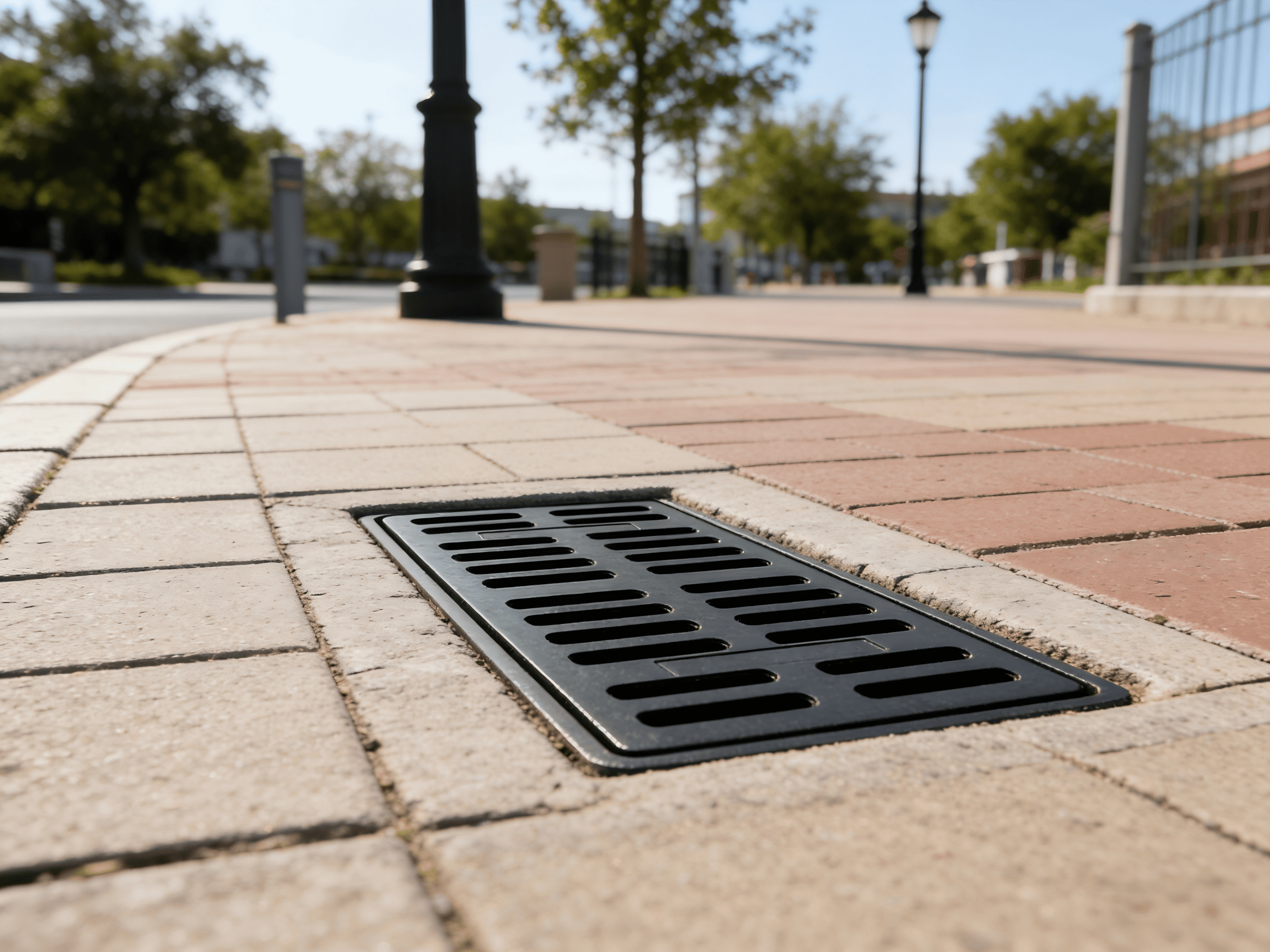
Resin and composite material grates are used in a wide variety of high-load applications where durability, corrosion resistance, and strength are critical. Some of the most common applications include:
In busy roadways and highways, drainage grates are used to manage surface water runoff from rain or snowmelt. These areas are subject to high vehicle traffic, including heavy trucks, buses, and cars. Resin and composite grates are well-suited for these conditions because they can withstand significant weight while maintaining efficient water drainage.
Industrial facilities, such as factories, warehouses, and power plants, require drainage systems that can manage large amounts of water or chemical spills. Resin and composite grates, particularly those made from fiberglass or polymer concrete, are commonly used in these environments due to their ability to resist corrosion and impact from heavy machinery.
Airports and parking lots often see high volumes of vehicle traffic. The drainage grates in these areas need to be able to handle the weight of airplanes, buses, and cars. Resin and composite grates provide a reliable and cost-effective solution for managing drainage in such high-load environments.
In urban environments, drainage systems must manage both stormwater runoff and the pressures from constant vehicle traffic. Resin and composite grates are ideal for urban infrastructure projects due to their ability to withstand years of use while offering resistance to weathering, road salt, and chemical exposure.
Choosing the right resin and composite material drainage grate for high-load applications is essential to ensuring the durability, safety, and efficiency of your drainage system. Factors such as material strength, corrosion resistance, load capacity, and environmental impact must be carefully considered. Resin and composite grates offer significant advantages over traditional metal alternatives, providing long-lasting performance with lower maintenance needs.
At Elite New Materials, we offer a wide selection of high-performance drainage grates made from durable, eco-friendly materials designed for demanding applications. Our products provide strength, corrosion resistance, and reliable performance, ensuring that your drainage system will stand the test of time.
Q: What materials are commonly used for resin and composite drainage grates?
A: Resin and composite grates are typically made from fiberglass, polymer resins, polymer concrete, and recycled plastics, offering durability, corrosion resistance, and lightweight properties.
Q: How do I choose the right drainage grate for my project?
A: Consider the load capacity, material durability, corrosion resistance, and environmental conditions when selecting a drainage grate. Always ensure the grate meets the load classification requirements for your application.
Q: Are composite drainage grates more environmentally friendly than metal grates?
A: Yes, composite grates are often made from recycled materials and require less energy to produce, making them a more sustainable choice compared to metal grates.
Q: How do composite grates perform in high-traffic areas?
A: Resin and composite grates are highly durable and can handle heavy vehicle traffic without compromising functionality. Their corrosion resistance also makes them ideal for areas exposed to moisture, salt, or chemicals.


