
Views: 0 Author: Site Editor Publish Time: 2026-05-15 Origin: Site


Selecting the proper frame and grating goes far beyond basic water management. It stands as a critical risk mitigation exercise for modern urban infrastructure. Engineers must prevent structural failure, avoid public liability, and curb excessive maintenance demands. Mismatched drainage grates lead to severe downstream consequences. You might witness premature structural wear, localized street flooding, or dangerous safety hazards like slip-and-fall accidents. Vehicle damage also becomes a persistent threat when components fail under pressure.
We need a reliable, proactive approach to avoid these common pitfalls. This article provides an evidence-based framework for engineers, urban planners, and procurement teams. You will learn how to evaluate site-specific demands accurately and decisively. We will guide you through load-bearing classes, advanced material science, and crucial safety regulations. By the end, you will confidently specify the exact components required to ensure long-term structural integrity and seamless daily operation.
Load-bearing requirements must account for dynamic sheer forces (braking/turning), not just static weight.
Material selection dictates lifespan: factor in environmental threats like water acidity, chemical exposure, and UV degradation.
Strict compliance tradeoffs exist between pedestrian safety (Heel-proof/ADA) and system maintenance (clogging risks).
Golden Rule of Procurement: When a project's load requirements sit between two classes, defaulting to the higher class is the most cost-effective long-term strategy.
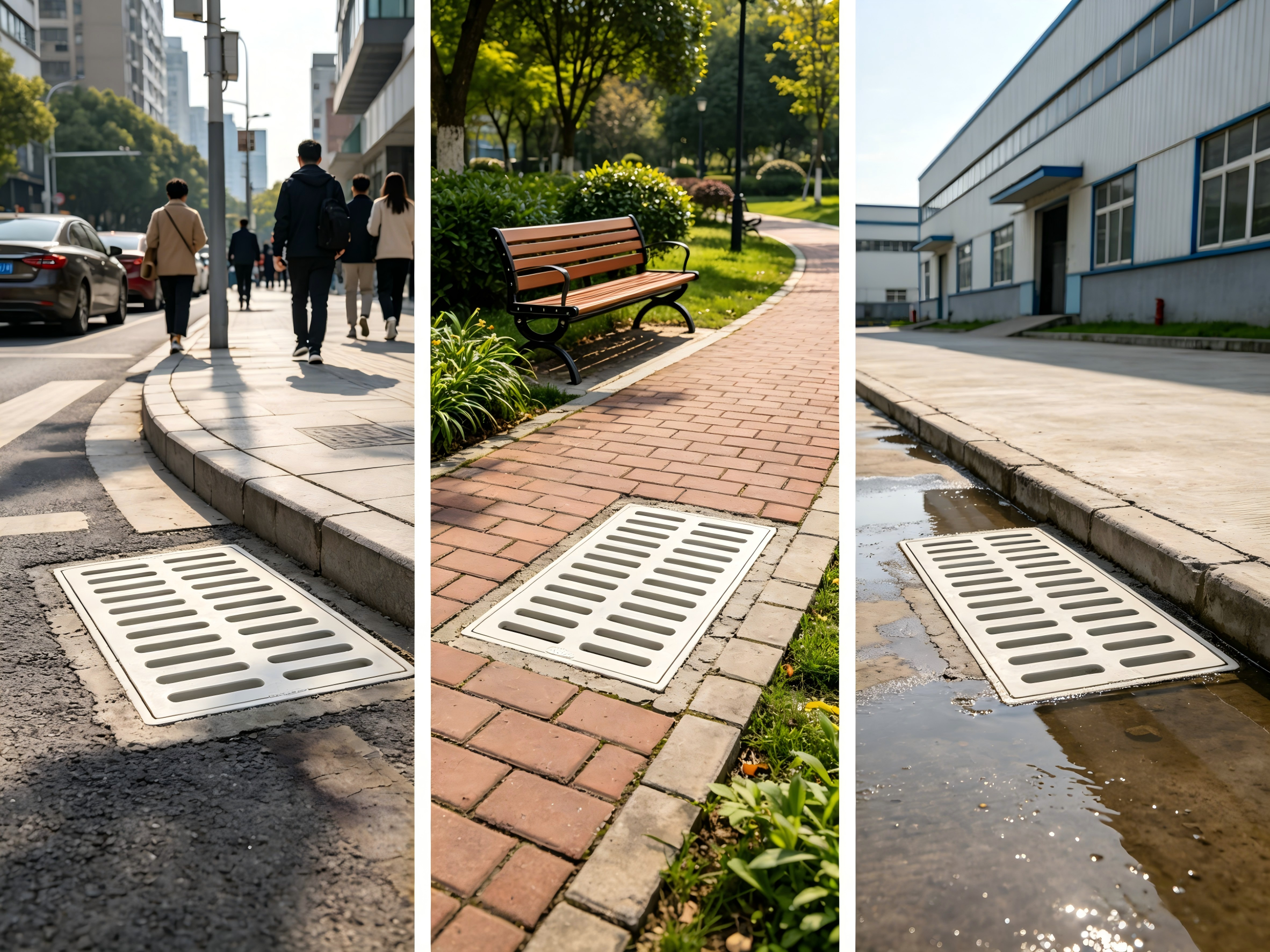
Successful project execution begins long before pouring concrete. You must establish a rigid baseline for your site conditions. Relying on guesswork or outdated historical data invites rapid system deterioration. We recommend following a structured four-step evaluation framework to isolate your exact technical requirements.
Purpose & Runoff Profiling: First, assess the sheer volume and frequency of expected runoff. Beyond volume, examine the chemical composition of the water. High acidity levels or airborne salt spray dictate the immediate need for specialized materials over standard galvanized steel.
Anticipating the "Worst-Case Scenario": Always design for peak environmental stress. Evaluate extreme weather events in your region. Factor in potential debris flows during autumn storms. Consider unexpected traffic misrouting where heavy commercial vehicles might accidentally detour over pedestrian zones.
Dynamic Traffic Assessment: Static weight calculations only tell half the story. Distinguish between straight-line passing traffic and complex intersection loads. High shear forces emerge during heavy braking, rapid acceleration, and tight turning radiuses. These forces rip poorly anchored systems directly out of the pavement.
Size & Integration Compatibility: Verify your project layout constraints. Determine whether the site allows for standard factory dimensions. Complex architectural layouts often require custom-fabricated modular systems to navigate challenging curves and uneven gradients seamlessly.
Safety and durability depend entirely on selecting the correct structural capacity. You must align your component selection with internationally recognized testing standards. The EN 1433 and EN 124 frameworks provide the most reliable benchmarks for evaluating bearing capacity.
These European standards categorize components based on their absolute breaking loads. Specifying the wrong class guarantees eventual surface collapse. Here is how the foundational classes map to real-world environments.
Load Class | Test Load (kN) | Typical Application Scenarios |
|---|---|---|
Class A15 | 15 kN | Pedestrian zones, bicycle paths, and light residential driveways. |
Class B125 | 125 kN | Footways, pedestrianized areas, and private car parks. |
Class C250 | 250 kN | Commercial parking lots, curbsides, and low-speed road edges. |
Class D400 | 400 kN | High-speed urban arterial roads, highway shoulders, and main carriageways. |
Class E600 | 600 kN | Industrial zones, heavy forklift traffic, and solid tire vehicle routes. |
Class F900 | 900 kN | Extreme load environments including ports, docks, and airport tarmacs. |
Urban traffic patterns inevitably scale up over time. City populations grow, delivery networks expand, and commercial zoning shifts. Justifying a higher load class upfront prevents catastrophic failure later. Imagine specifying a standard gully grate strictly for light residential traffic. Five years later, an e-commerce boom routes heavy delivery trucks through that same neighborhood. A B125 unit will fracture under this new stress. Upgrading to a C250 unit initially provides a vital structural buffer, saving you from expensive emergency replacements down the road.
Load capacity handles weight, but material science handles time. Selecting the right composition dictates the lifespan of your installation. You must match the material intimately to its surrounding environmental threats.
Ductile iron remains the undisputed industry standard for high-load, high-impact environments. Unlike brittle gray iron, ductile iron flexes slightly under immense stress. This makes it perfect for highways, airport runways, and major logistics hubs. It withstands punishing dynamic impacts day after day.
Corrosion destroys metal rapidly. In these harsh environments, an FRP drainage grate delivers functional superiority. Fiberglass Reinforced Plastics thrive in highly corrosive settings like chemical plants, food processing floors, and coastal marine boardwalks. Furthermore, a composite drainage grate is inherently non-conductive, making it safe near electrical installations. These units also boast an exceptional strength-to-weight ratio. Maintenance crews can easily lift and clean them without requiring heavy hydraulic machinery.
Metals serve diverse purposes depending on the surface treatment. Hygienic, corrosion-resistant stainless steel dominates food processing plants, commercial kitchens, and medical facilities. It actively resists bacterial growth and withstands harsh chemical washdowns. Conversely, galvanized steel offers a highly cost-effective alternative for general outdoor applications. It provides moderate rust resistance suitable for standard commercial pedestrian zones.
Landscape architects often gravitate toward light-duty plastics for residential or garden projects due to low upfront prices. However, prolonged exposure to harsh sunlight degrades basic plastics. UV rays cause rapid embrittlement. Over just a few seasons, a plastic unit will bleach, crack, and shatter under even light foot traffic. Metal alternatives like brass, iron, or UV-stabilized composites provide vastly superior longevity in exposed outdoor settings.
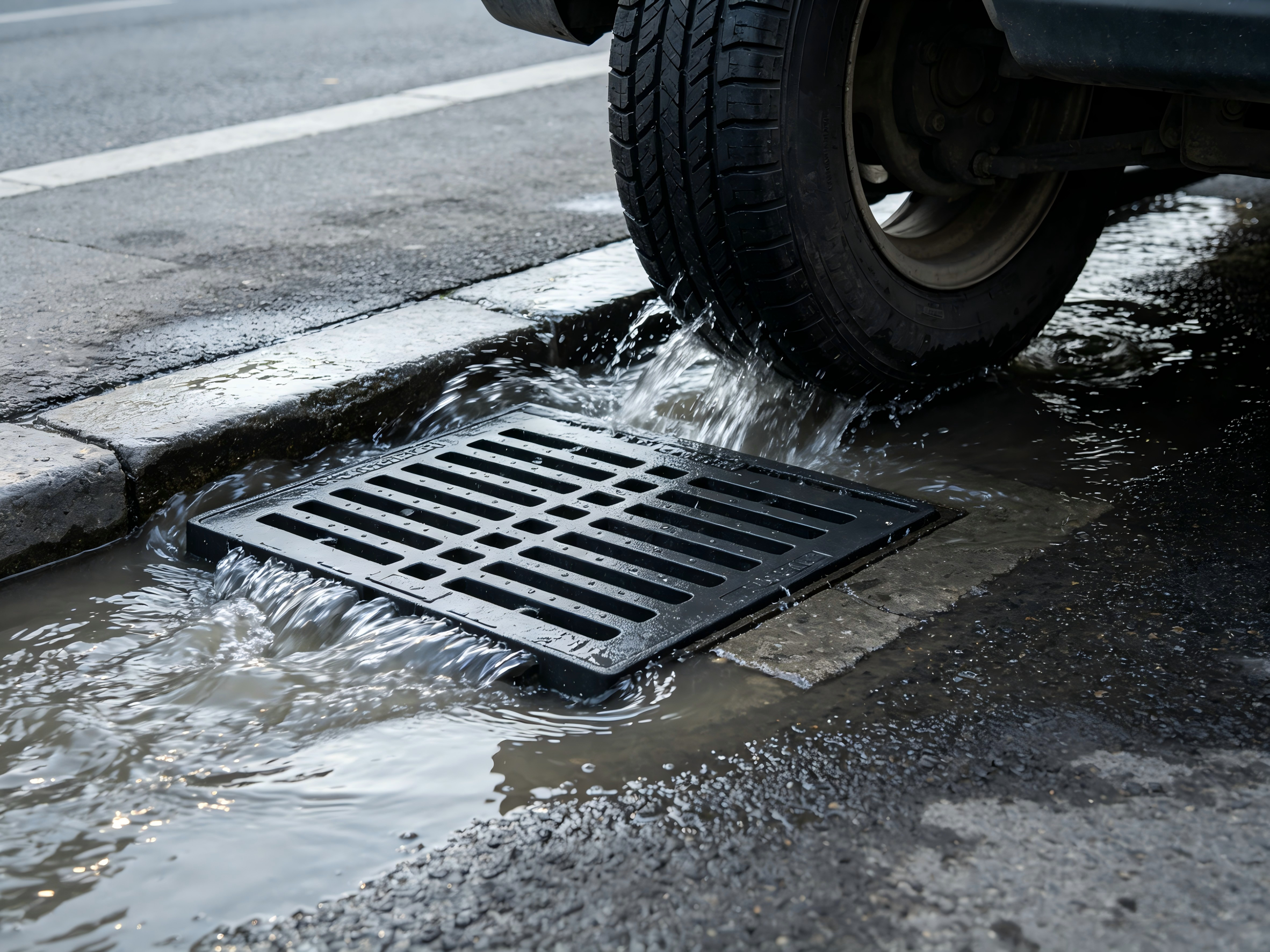
Public safety introduces strict regulatory requirements. Engineers frequently face conflicting demands between protecting pedestrians and ensuring the system operates without constant clogging. Understanding these nuances prevents costly compliance violations.
The Americans with Disabilities Act (ADA) enforces rigid dimensional standards to protect mobility-impaired individuals. To safely accommodate wheelchair casters, walking canes, and walkers, surface openings must not exceed a maximum width of 1/2 inch. Slotted openings must also run perpendicular to the dominant direction of travel. This ensures wheels roll over the gap rather than dropping inside.
While ADA addresses mobility aids, high-density pedestrian zones face another unique hazard: stiletto heels.
Specification: A true heel-proof design requires a much tighter opening. The gaps must measure strictly between 1/4 inch and 5/16 inch. This prevents a typical high heel from catching and snapping.
The Operational Trade-off: You cannot cheat physics. While narrower slots drastically improve pedestrian safety, they severely compromise water intake speed. More importantly, they trap small leaves, pine needles, and street wrappers almost instantly. You trade mechanical safety for a significantly heightened risk of surface flooding.
Design Standard | Max Gap Size | Primary Benefit | Primary Drawback | Ideal Scenario |
|---|---|---|---|---|
ADA Compliant | 1/2 inch | Safe for wheelchairs & mobility aids. | Heels can still catch occasionally. | Debris-heavy outdoor environments, parks. |
Heel-Proof | 5/16 inch | Maximum safety for all footwear. | Extremely high clogging risk. | Clean, indoor/outdoor high-foot-traffic retail plazas. |
We recommend reserving ADA standards for most outdoor environments where natural debris is unavoidable. Deploy strict Heel-proof variants exclusively for clean, closely monitored urban plazas or high-end retail parks.
A perfectly specified product will still fail if poorly installed. Implementation risks account for a massive percentage of early structural failures in urban settings. You must govern the installation phase just as strictly as the procurement phase.
Precision matters during concrete pouring. Any grate cover must sit perfectly flush with the surrounding pavement. Leaving a unit slightly raised creates an immediate pedestrian trip hazard. Alternatively, if the cover sits too low, passing vehicle tires will "drop" into the recess. This micro-variation amplifies the impact force exponentially. Over thousands of axle strikes, this repetitive pounding shatters the surrounding concrete encasement entirely.
Continuous dynamic loads force unsecured metal to shift, rattle, and bounce. When heavy vehicles brake over loose components, the sheer horizontal force tears the frame from the concrete. You must specify robust bolt-down mechanisms or built-in lockable frames. Locking the unit down prevents rattling, deters urban theft, and dramatically reduces structural wear on the trench edge.
Even the most advanced systems require periodic attention. Establish realistic, site-specific inspection baselines early in the project handover.
Monthly Inspections: Required for high-traffic commercial zones and heavily wooded parks prone to severe autumn leaf shedding.
Quarterly Inspections: Ideal for standard retail parking lots and urban arterial roads to clear accumulated silt and tire rubber.
Bi-Annual Inspections: Sufficient for light residential areas and private driveways, focusing mainly on pre-winter and post-winter structural checks.
To streamline your next project, we have condensed these variables into quick, scenario-based blueprints. Use these profiles as a starting point for your engineering discussions.
Urban Highways & Intersections: You need maximum resilience against dynamic braking. Require Class D400 or higher. Specify ductile iron. Demand 4-point lockable frames. Opt for a wider slotted design to ensure rapid water intake during torrential storms.
Public Plazas & Retail Parks: Aesthetics and pedestrian safety take priority here. Require Class B125 or C250. Specify Heel-proof or ADA-compliant slots. Consider architectural finishes like polished stainless steel or decorative cast iron patterns to elevate the surrounding landscape design.
Industrial & Chemical Facilities: Weight and corrosion resistance define this environment. Require Class E600 or higher. Specify advanced FRP/composite materials. Ensure the material boasts high resistance to localized chemical spills and extreme temperature fluctuations.
Selecting the optimal components for urban water management requires a delicate balancing act. You must carefully weigh load capacity, material durability, and rigorous compliance standards against realistic daily maintenance constraints. Skipping any of these steps leaves your project vulnerable to rapid degradation and public safety liabilities.
Avoid over-indexing on upfront material costs. Bargain hunting during procurement inevitably leads to premature replacements and emergency civil works. Instead, specify your systems based strictly on worst-case traffic scenarios and severe environmental exposure. This forward-thinking approach guarantees maximum long-term performance and budget efficiency.
Take action before your next site pour. We prompt readers to consult directly with an engineering specialist or utilize a verified technical specification sheet to finalize your project's exact requirements.
A: ADA-compliant openings allow up to a 1/2-inch gap to safely accommodate wheelchairs and walking aids. Heel-proof designs feature much tighter 1/4 to 5/16-inch gaps to stop high heels from wedging inside. However, tighter heel-proof slots severely increase maintenance needs. They trap small leaves and street debris rapidly. You must balance pedestrian safety against your capacity to clear surface clogging regularly.
A: Choose composite options when dealing with severe chemical exposure, salt water, or highly corrosive industrial environments. Unlike iron, composites never rust. They also offer a massive weight advantage. Facilities requiring frequent trench cleaning benefit greatly here, as maintenance teams can easily lift and remove the covers without deploying heavy lifting machinery.
A: Static vehicle weight only tells half the story. Moving vehicles generate intense dynamic shear forces. Sudden braking, rapid acceleration, and tight turning circles apply massive horizontal stress directly to the frame and surrounding concrete. Always step up to a higher load class when dealing with dynamic traffic. This crucial buffer prevents structural shifting and ensures long-term stability.
A: No. Storm drain models handle point-source massive volume management. They funnel thousands of gallons of water quickly into deep subterranean pipes during extreme downpours. Trench drain versions manage linear surface water control. They capture widespread, shallow sheet flow across broad flat areas like parking lots or pedestrian plazas. Interchanging them invites severe localized flooding.


