
Views: 0 Author: Site Editor Publish Time: 2026-01-26 Origin: Site


Sheet Molding Compound (SMC) is a widely used composite material known for its strength, durability, and versatility, making it ideal for applications in industries like automotive, aerospace, and construction. However, when exposed to outdoor environments, materials like SMC face challenges such as UV degradation, which can lead to color fading, surface cracking, and overall wear over time. UV damage is a significant concern, particularly for parts exposed to direct sunlight, where ultraviolet (UV) rays can break down the molecular structure of the material. This article explores the UV resistance of SMC, how its composition affects its durability under sunlight, and the treatments or additives that can enhance its ability to withstand UV damage in various applications.
The UV resistance of Sheet Molding Compound (SMC) is influenced by its composition, primarily the resin and fiber reinforcement used in its production. SMC typically uses unsaturated polyester or vinyl ester resins, which have inherent properties that help in resisting UV degradation to some extent. The glass fibers in SMC also play a crucial role in reinforcing the material, providing additional structural integrity and aiding in resistance to UV-induced weakening. However, while these components offer some protection, the resins alone cannot fully prevent UV damage over long periods of exposure to sunlight. This is why additional treatments are often needed to enhance its overall UV resistance.
To improve the UV resistance of SMC, manufacturers often add UV stabilizers and additives during the production process. These chemicals act as protective agents, absorbing or reflecting harmful UV rays, thereby reducing their ability to break down the material's structure. Common UV stabilizers used in SMC include hindered amine light stabilizers (HALS) and UV absorbers, which significantly enhance the material's durability when exposed to sunlight or harsh outdoor conditions. These additives help prevent color fading, surface cracking, and other forms of degradation, extending the service life of SMC parts exposed to UV radiation.
While SMC has some inherent UV resistance, this is often not sufficient for parts that are continuously exposed to the elements, especially in outdoor environments where long-term sunlight exposure is a factor. SMC's natural UV resistance can protect the material for a limited period, but without additional protective measures, such as UV stabilizers, coatings, or paints, SMC may begin to degrade over time. For automotive parts, aerospace components, or construction materials exposed to prolonged UV radiation, applying a protective coating or using enhanced resins with better UV resistance is essential to prevent long-term damage and maintain the material's appearance and performance.
The type of resin used in the Sheet Molding Compound (SMC) formulation plays a significant role in its UV resistance. Polyester resins, commonly used in SMC, offer some level of resistance to UV rays, but they tend to degrade faster under prolonged exposure to sunlight compared to vinyl ester resins. Vinyl ester resins, which are known for their superior chemical resistance and UV stability, provide enhanced protection against UV-induced damage. Therefore, SMC made with vinyl ester resins tends to have better UV resistance and is more durable in outdoor applications where long-term sunlight exposure is expected. The choice of resin can directly affect the longevity and performance of SMC parts exposed to UV radiation.
Exposure time is another crucial factor influencing SMC's resistance to UV damage. The longer SMC parts are exposed to sunlight, the more vulnerable they become to UV degradation. UV rays can break down the molecular structure of the material, leading to issues like color fading, surface cracking, and loss of mechanical properties. Parts exposed to continuous sunlight, such as automotive exteriors, outdoor signage, or construction materials, may experience degradation faster if they do not have adequate UV protection. The cumulative effect of extended exposure can result in significant material degradation unless the SMC is treated with UV stabilizers or protective coatings to minimize the impact of continuous UV exposure.
One of the most effective ways to enhance the UV resistance of SMC is through the application of protective coatings or paint finishes. These coatings act as a barrier between the SMC material and harmful UV rays, significantly reducing the extent of UV degradation. Commonly used coatings include UV-resistant paints and clear coatings that provide additional protection against sunlight. These surface treatments help to preserve the appearance, integrity, and performance of SMC parts exposed to outdoor environments. For instance, automotive exterior panels or construction elements that face prolonged exposure to the sun benefit from these protective measures, ensuring that the material lasts longer without showing signs of wear or fading.
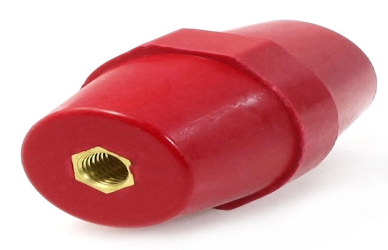
Sheet Molding Compound (SMC) is widely used in the automotive industry, particularly for exterior parts like body panels, bumpers, fenders, and hoods. Its lightweight, high-strength properties make it ideal for reducing vehicle weight and improving fuel efficiency. However, as these components are often exposed to direct sunlight, UV damage can degrade the material over time, causing color fading, surface cracking, and loss of mechanical properties. To mitigate these effects, SMC parts in automotive exteriors typically require protective coatings or UV-resistant paint finishes. These coatings act as a barrier against UV rays, preserving the appearance and structural integrity of the parts and ensuring long-term performance in outdoor conditions.
In the construction industry, SMC is increasingly used for outdoor structures such as pipes, valves, cladding, and reinforced panels, thanks to its corrosion resistance and durability. As many construction materials are exposed to harsh weather conditions, including direct sunlight, UV resistance is crucial for maintaining the longevity and performance of SMC-based products. UV exposure can weaken SMC parts, leading to surface degradation and loss of structural strength. To enhance the material’s UV protection, manufacturers often apply protective coatings or UV stabilizers, ensuring that SMC parts remain durable and functional for many years, even when exposed to the elements.
SMC is also utilized in the aerospace industry for components like interior panels, seats, and non-structural parts. In aircraft, parts made from SMC are exposed to sunlight during flight, but the exposure duration is typically less than that of parts used in automotive or construction applications. However, UV protection remains important for maintaining the aesthetic appearance and integrity of the parts. SMC used in aerospace applications is often treated with UV-resistant coatings or incorporated with UV stabilizers to ensure that parts resist damage during prolonged use in outdoor environments, whether in hangars or during flight. As aircraft parts can experience rapid temperature fluctuations, UV protection is key to preventing degradation and ensuring that the SMC components maintain their strength and appearance throughout their service life.
SMC has some natural UV resistance, but for long-term outdoor use, it requires protective coatings or additives to prevent degradation. Without these, prolonged UV exposure can lead to surface cracking, color fading, and other forms of damage. UV stabilizers are essential for maintaining SMC's performance in outdoor environments over time.
Extended UV exposure can cause color fading, surface cracking, and degradation of SMC. Over time, the material may lose its structural integrity and aesthetic qualities unless it is treated with UV stabilizers or coated to block UV radiation. This is particularly important for parts that remain exposed to direct sunlight for long periods.
Vinyl ester resins offer superior UV resistance compared to polyester resins. SMC made with vinyl ester resins is more durable in outdoor applications and can better withstand the harmful effects of UV exposure. These resins are often chosen for parts that require enhanced resistance to sunlight and environmental stressors.
Yes, UV-resistant coatings such as specialized paints and clear protective layers can significantly enhance the UV protection of SMC parts. These coatings help improve the longevity, aesthetic appeal, and overall performance of SMC exposed to sunlight, making them more suitable for outdoor environments and harsh weather conditions.
Sheet Molding Compound (SMC) offers inherent UV resistance due to its resin and fiber composition, but this protection is limited when parts are subjected to prolonged or intense UV exposure. While SMC can resist short-term UV radiation, parts that remain in harsh outdoor environments or continuous sunlight need additional coatings like UV-resistant paints or additives such as UV stabilizers to prevent issues like color fading, surface cracking, and overall material degradation. These protective treatments are crucial for ensuring that SMC parts maintain their structural integrity and aesthetic appearance. Looking ahead, the future of SMC will likely see advancements in resin formulations and coating technologies to significantly improve UV protection. This will allow SMC-based materials to perform even better in outdoor applications, making them more durable and reliable across industries like automotive, construction, aerospace, and more, where long-term exposure to UV radiation is inevitable.


