
Views: 0 Author: Site Editor Publish Time: 2026-05-07 Origin: Site


Heavy-duty infrastructure projects are rapidly moving away from cast metals and wood. Escalating maintenance costs, severe corrosion liabilities, and weight-driven freight expenses make older materials less viable today. Engineers and procurement teams constantly face difficult material selection dilemmas. They are increasingly specifying SMC composite materials to perfectly bridge the gap between weak standard plastics and cost-prohibitive carbon fiber. This shift allows modern builders to maintain exceptional structural integrity without breaking tight operational budgets.
This comprehensive guide evaluates the rigorous technical specifications and lifecycle returns of switching materials. You will learn the exact details about implementation realities, manufacturing scalability, and performance metrics. We explore how adopting sheet molding compound optimizes industrial and municipal applications for the long term. You will also discover proven strategies for consolidating parts. This approach streamlines complex assembly lines and eliminates tedious secondary finishing operations. Ultimately, you can confidently upgrade legacy infrastructure systems for better longevity and performance.
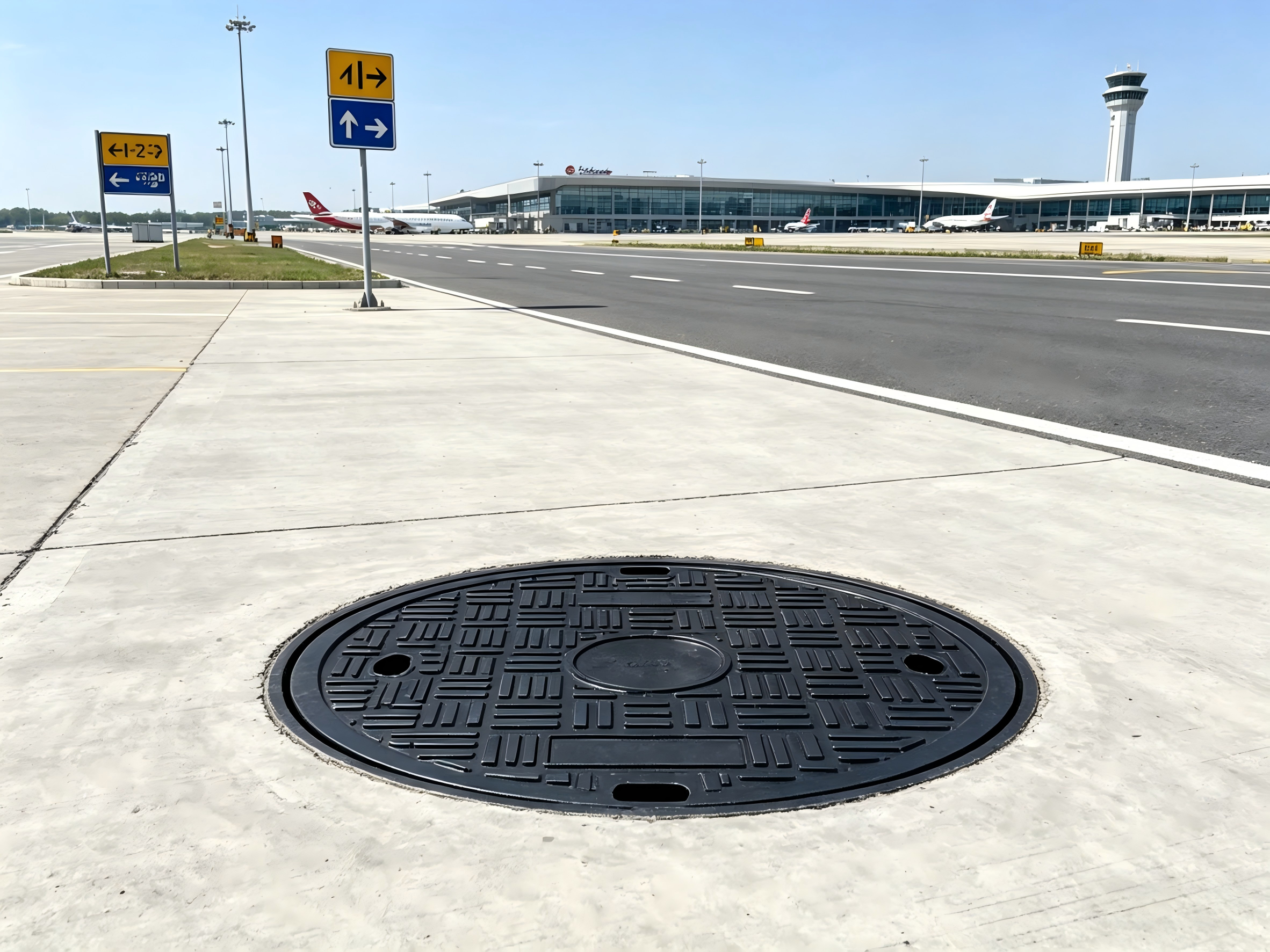
Cost-to-Performance: SMC delivers up to 70% of the stiffness of Carbon Fiber Reinforced Polymers (CFRP) at 60–75% lower production costs.
Superior Durability: Unlike metals, SMC eliminates the need for anti-corrosion coatings; unlike traditional fiberglass, it offers superior compressive strength (200–300 MPa) and energy absorption.
Manufacturing Efficiency: Automated molding yields defect rates as low as 0.5%, far outperforming manual hand lay-up processes.
Lifecycle ROI: Consolidating multi-part metal assemblies into single composite molded parts reduces long-term maintenance, noise degradation, and assembly time.
Cast steel is incredibly heavy. It weighs approximately 490 lbs per cubic foot. This massive bulk creates a severe weight penalty across the entire project timeline. The heavy mass drastically increases freight costs for every shipment. It complicates site installation processes. Crews often require specialized heavy cranes just to maneuver standard steel components. In transport applications, heavy metals dramatically reduce fuel efficiency. You spend more money just moving the material from point A to point B. This logistical inefficiency cuts directly into your project profit margins. Logistics teams constantly struggle to optimize shipping routes for dense steel loads.
Metals rust rapidly when exposed to moisture or salt. They require the continuous application of expensive anti-corrosive coatings. These ongoing maintenance cycles drain facility budgets year after year. Maintenance teams must scrape, sand, and repaint exposed metal surfaces constantly. Wood presents its own unique vulnerabilities. It is highly susceptible to rot, moisture absorption, and pest degradation. You must consistently monitor traditional wood structures for early failure signs. Ignoring these warning signs leads to catastrophic structural failures. Facility managers spend countless hours logging inspection data for rusting metal and rotting wood. They simply need better, maintenance-free options.
Traditional sheet metal components rely heavily on mechanical fasteners like screws and rivets. You see this assembly method often in large HVAC systems or outdoor electrical enclosures. Under continuous vibration or thermal cycling, these mechanical joints inevitably loosen. This loosening causes severe noise pollution. It also leads to structural micro-failures over time. Engineers must account for these inevitable assembly breakdowns during the initial design phase. They often specify thicker metals just to hold fasteners securely. This over-engineering adds unnecessary weight and expense. You end up paying for extra material simply to prevent screws from stripping out.
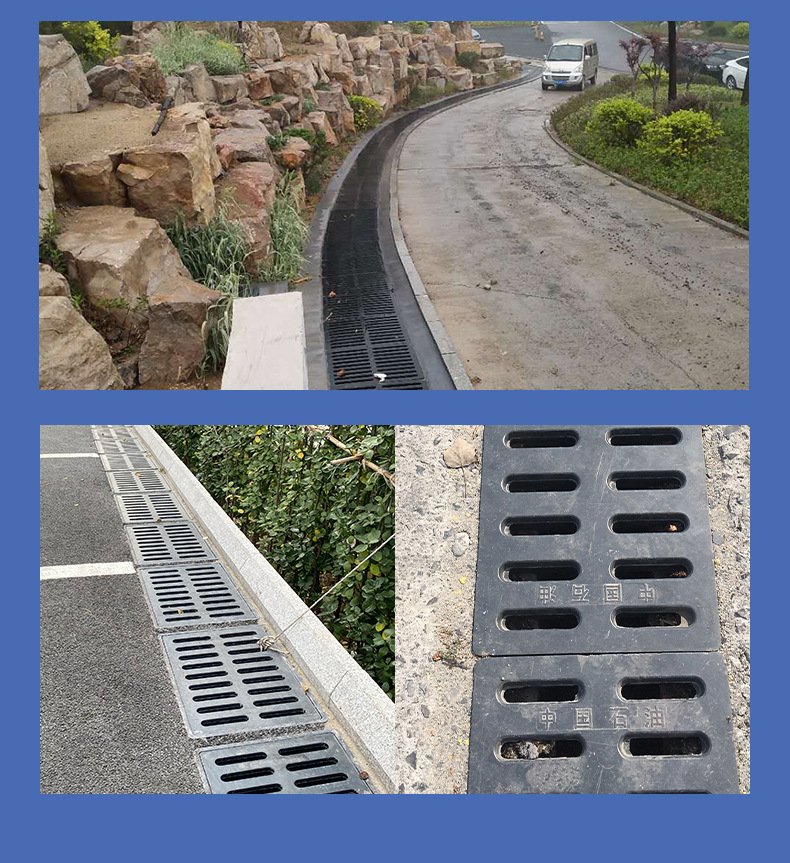
Metals dominate legacy infrastructure designs. However, they fall incredibly short in modern efficiency metrics. You achieve a massive weight reduction of up to 70% compared to steel when you switch. This lighter weight transforms site installation procedures entirely. SMC experiences absolutely zero galvanic corrosion. It never rusts, even in brutal marine environments. It also features built-in thermal and electrical insulation properties. You do not need to install secondary insulating mats or protective sleeves. This inherent safety makes it ideal for high-voltage enclosures. Aluminum resists rust better than steel but remains highly conductive. SMC eliminates these electrical conductivity risks completely.
Standard continuous fiberglass offers high tensile strength. However, it is highly prone to micro-cracking under cyclic loading. Wind and continuous vibrations easily damage standard fiberglass panels over time. SMC features a much more uniform structural matrix. This uniform fiber distribution absorbs up to 30% more impact energy during sudden collisions. It offers superior compressive strength ranging from 200–300 MPa. Standard fiberglass only achieves 100–200 MPa under identical compression. You get a much tougher, more resilient component overall. The random fiber orientation in SMC prevents catastrophic linear fractures. It handles unpredictable physical loads far better than unidirectional fiberglass.
The cost gap between these advanced materials is staggering. CFRP raw materials are extremely expensive for general use. They cost between $33 and $55 per kilogram. Conversely, sheet molding compound utilizes highly affordable fiberglass reinforcements. These cost only $2 to $7 per kilogram. You save massive amounts of capital on raw materials alone. The production gap also heavily favors SMC. Production speed matters immensely for scalability. SMC curing cycles take just 2 to 5 minutes per piece. CFRP molding can take 45 to 90 minutes to cure completely. This massive time difference makes SMC the only scalable choice for high-volume infrastructure components.
Material Type | Weight Profile | Corrosion Resistance | Compressive Strength | Relative Raw Material Cost |
|---|---|---|---|---|
Traditional Cast Steel | Very Heavy (~490 lbs/cu ft) | Poor (Requires regular coating) | Very High | Low to Moderate |
Standard Fiberglass (FRP) | Lightweight | Good | Moderate (100–200 MPa) | Low |
Carbon Fiber (CFRP) | Ultra-Lightweight | Excellent | Extremely High | Very High ($33–$55/kg) |
SMC Composites | Lightweight (Up to 70% lighter) | Excellent (Zero galvanic rust) | High (200–300 MPa) | Highly Economical ($2–$7/kg) |
Engineers must rigorously assess tensile, flexural, and impact resistance. Heavy-duty infrastructure demands high performance across all three critical metrics. You cannot rely on tensile strength alone for outdoor structures. Wind loads, vehicle impacts, and heavy snow create highly complex stress vectors. We recommend defining your maximum load parameters early. You should test prototypes under simulated dynamic loads. This proactive physical testing validates the material matrix before mass production begins. Proper mechanical testing prevents costly redesigns after molds are already cut.
Many projects face harsh outdoor elements constantly. You must specify a corrosion resistant composite for long-term survival. Specifying custom composite parts allows you to inject specialized chemical additives. You can blend UV stabilizers or chemical-resistant resin matrices directly into the raw batch. These custom formulations withstand 1000+ hours of saltwater or caustic exposure without blistering. Facilities handling wastewater or harsh industrial chemicals benefit immensely from this resilience. The material simply ignores caustic splashes. It continues performing smoothly under conditions that rapidly dissolve standard steel grates.
Public infrastructure requires strict adherence to international safety protocols. You must ensure the material formulation meets strict industrial flammability standards. The UL94 V-0 standard is widely accepted globally for electrical and transit applications. SMC achieves this high safety rating without compromising any structural integrity. Formulators add fire-retardant mineral fillers like alumina trihydrate during the initial mixing phase. These specialized fillers release water vapor when exposed to extreme heat. They actively suppress growing flames and prevent toxic smoke generation. This protects both the equipment and public bystanders.
Temperature swings warp many standard commercial plastics permanently. They expand and contract wildly between summer and winter seasons. SMC features an irreversible thermoset chemical network. Once the cross-linking occurs inside the mold, the shape remains permanently locked. This prevents warping under extreme ambient temperature fluctuations. It perfectly maintains critical tolerances for intricate infrastructure joint alignments. You never have to worry about access panels jamming shut during heatwaves. The thermal expansion coefficient of SMC mirrors rigid metal much closer than thermoplastic alternatives.
Best Practice: Define exact maximum temperature ranges before contacting your molder.
Best Practice: Request historical field data demonstrating long-term UV stability.
Best Practice: Verify independent third-party testing for all flammability claims.
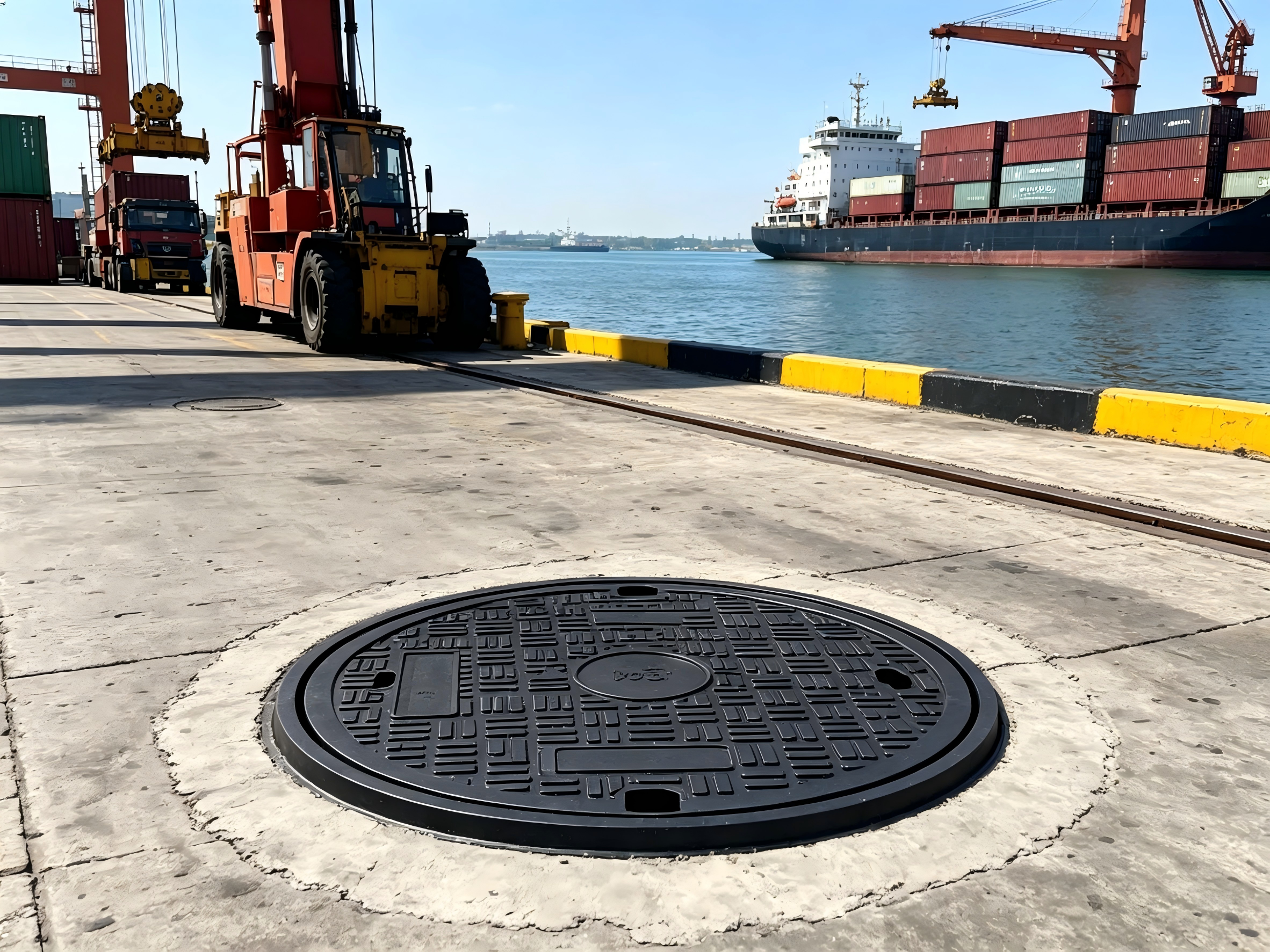
Complex geometry molding revolutionizes traditional manufacturing steps entirely. You can easily convert multi-part metal assemblies into a single continuous unit. Think about complex HVAC blower housings or transit seating frames. You often replace dozens of brackets, bolts, and panels with one single molded piece. Using composite molded parts dramatically reduces your bill of materials (BOM). It eliminates expensive manual assembly labor from the factory floor completely. Furthermore, a single-piece design inherently dampens system noise. You eliminate rattling metal joints entirely. This improves the end-user experience significantly while lowering your production headaches.
Painting metal parts is tedious, toxic, and expensive. It requires specialized ventilation booths and strict environmental air permits. SMC simplifies this entire process natively. Pigmentation is mixed directly into the resin matrix before molding occurs. This completely removes the need for post-production painting. It saves immense time on your assembly line. It also prevents ugly surface scratching issues in the field. The color runs evenly throughout the entire thickness of the part. If a heavy truck scrapes a molded bumper, the underlying color remains identical. You never expose a rusting substrate to the elements.
Heavy infrastructure must last decades without demanding constant minor repairs. Field data demonstrates exceptional real-world results across various climates. Thermoset matrices maintain robust long-term mechanical performance under severe duress. They reliably retain up to 95% of their original structural integrity over 20+ years of outdoor environmental exposure. You get highly predictable lifecycle returns on your initial capital investment. Planners can confidently amortize project costs over two or three decades. They do not need to budget for complete structural component replacements every five years.
SMC requires robust, heated steel molds to operate correctly. These heavy molds must withstand massive 100–500 bar clamping pressures. They also operate continuously at extreme 120–180°C temperatures. Machining these complex molds demands high initial CapEx upfront. You pay a premium for high-grade P20 or H13 tool steel. Therefore, you only realize strong financial returns in medium-to-high volume production runs. Low-volume prototyping using compression molding rarely makes financial sense. You must evaluate your annual part volume carefully. We strongly advise calculating a clear break-even point before committing to tool cutting.
Automation drastically improves baseline quality control metrics across the board. The automated nature of compression molding practically eliminates unpredictable human error. Procurement teams should expect highly consistent, repeatable yields every shift. Defect rates hover around a microscopic 0.5% for automated SMC lines. Compare this impressive metric to ~3% for manual hand lay-up techniques. Hand lay-up relies entirely on operator skill and fatigue levels. Compression molds distribute resin perfectly every single cycle. You receive identical, specification-perfect parts in batch one and batch one thousand.
You cannot design molded composites exactly like stamped sheet metal. Material flow behavior during compression molding dictates specific geometric rules. It requires precise engineering of draft angles, ribbing, and wall thicknesses. Poorly designed transitions lead to weak resin-rich areas or brittle fiber dry spots. You must consult tooling engineers early in the CAD phase.
Common Mistakes to Avoid:
Sending raw legacy metal CAD files directly to your composite molder without translation.
Designing sharp 90-degree internal corners, which trap resin and create weak points.
Failing to add appropriate draft angles (typically 1 to 3 degrees) to ensure smooth part ejection.
SMC is not a direct replacement for low-stress consumer plastics. Nor is it meant for aerospace structures requiring the extreme rigidity of carbon fiber. It sits perfectly in the middle of these extremes. It is the optimal, cost-efficient bridge for industry. It serves heavy-duty, high-volume infrastructure needing metal-like strength without severe weight and corrosion penalties. By shifting to thermoset composites, modern manufacturers capture massive efficiencies.
A: Yes, in terms of compressive strength (200-300 MPa) and impact energy absorption. While standard continuous fiberglass may have higher direct tensile strength, SMC is structurally more uniform, offering superior durability under compressive and cyclic stress.
A: Properly formulated SMC parts generally exceed 20 years in harsh outdoor environments, maintaining exceptional structural integrity without rotting or rusting.
A: Yes. Compression molds are machined from tool steel to handle extreme pressures. The transition makes financial sense for medium-to-high volume production or for critical parts where lifecycle maintenance savings offset the initial mold CapEx.
A: Yes. Additives can be mixed into the compound during the resin preparation phase to meet strict fire safety ratings, including UL94 V-0, making it suitable for electrical enclosures and transit infrastructure.


