
Views: 0 Author: Site Editor Publish Time: 2026-05-04 Origin: Site


You need to choose the right composite manhole cover for your city. Think about these important factors: where you will use it, how much weight it must hold, what it is made of, its size and shape, safety, regulations, and price. Each aspect helps you find the best cover for roads, sidewalks, or utility networks. You keep people safe and extend the lifespan of covers if you choose options with anti-slip surfaces and weather resistance. Look at the table below to see the most common criteria people check when selecting a cover.
Criteria | Description |
|---|---|
Load Capacity and Traffic Frequency | Covers must handle the weight and number of cars, especially in urban areas. |
Material Composition | Options include cast iron, composite, and ductile iron, chosen based on needs and budget. |
Environmental and Weather Resistance | Covers must be durable against harsh weather and corrosion. |
Safety Features | Anti-slip surfaces are crucial for pedestrian safety in wet conditions. |
Compliance with Standards | Covers must adhere to local and international regulations like EN 124 or AASHTO. |
Cost-Benefit Analysis | Consider both initial costs and future maintenance expenses. |
Sustainability | Opt for eco-friendly materials and methods to reduce costs over time. |
You get the best value when you choose the right composite manhole cover for your city.
Think about where the manhole cover will go. Also, think about what kind of traffic will be there. Different places need different load ratings to keep people safe.
Pick composite materials because they are strong. They do not rust easily. They last longer and need less care than metal covers.
Always check the size and shape of the manhole opening. Make sure you measure it right before you buy. Good measurements stop accidents and help the cover fit well.
Find safety features like anti-slip surfaces. Look for markings that help people see the cover. These features help stop accidents and keep people safe.
Make sure the cover follows local rules and standards. Certified covers meet safety needs. They help you feel safe and worry less.
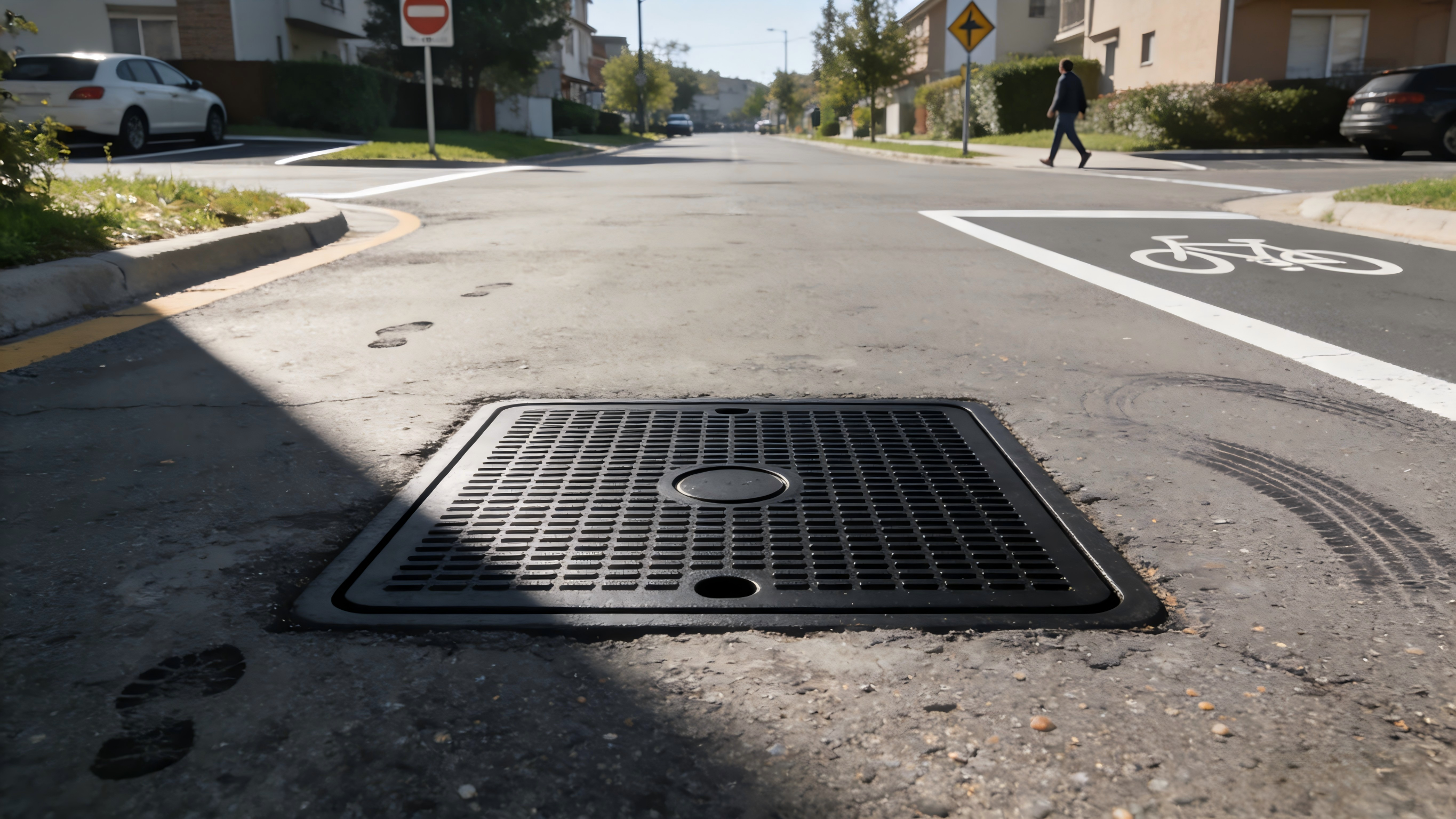
You need to pick the right manhole cover for each place. This helps protect your city and keeps people safe. Roads, sidewalks, and utility networks all need different covers. Roads have lots of cars and trucks. Sidewalks are mostly for people and lighter things. Utility networks need covers that fit special spots and follow city rules.
Here is a table that shows how the needs change:
Application Scenario | Requirements for Manhole Covers |
|---|---|
Must handle lots of weight, bad weather, and let workers get in safely. | |
Sidewalks | Like roads, but the weight is less because of people walking. |
Made for certain jobs, must last long and follow city rules. |
Always check the area before you pick a cover. This stops problems and keeps everything strong.
You also need to think about the weather and traffic. These things change how long the covers last and how well they work. Covers on busy roads need to hold up heavy cars and trucks. Covers in factories might get oil or chemicals on them.
The table below lists important things to think about:
Factor | Description |
|---|---|
Load Rating | Needs to be strong for highways and busy roads. |
Durability | Should be made from tough stuff like concrete or steel. |
Drainage Capacity | Must let water drain well, especially in factories. |
Environmental Factors | Covers should not get ruined by chemicals or other bad stuff. |
Always match the cover to the place and traffic. This keeps your city safe and working right.
You need to know the different load classes before you pick a manhole cover. Each class shows how much weight the cover can handle. This helps you match the cover to the place where you want to use it. If you choose the wrong class, you risk damage and safety problems.
Here is a table that explains the main load classes and their uses:
Load Class | Weight Capacity | Typical Applications |
|---|---|---|
A15 | 1.5 Ton (15 kN) | Pedestrian areas, gardens, sidewalks |
B125 | 12.5 Ton (125 kN) | Car parks, private driveways |
C250 | Custom-engineered | Special projects upon request |
D400 | 40 Ton (400 kN) | Urban roads, industrial zones |
You see that each class fits a different job. For example, A15 works well for sidewalks and gardens. D400 is strong enough for busy city roads and heavy trucks. You must always check the load-bearing capacity before you buy a manhole cover. This keeps people safe and protects your city’s infrastructure.
Tip: Always look for the load class marking on the manhole cover. This marking tells you the maximum weight the cover can support.
You must match the load rating to the place where you will install the manhole cover. Think about the type of traffic and how often vehicles or people pass over the cover. If you put a low-rated cover on a busy road, it can break. This can cause accidents and damage.
Here are some steps to help you choose the right load-bearing capacity:
Check the Traffic Type:
Use A15 for places where only people walk, like parks or sidewalks.
Use B125 for areas with light vehicles, such as parking lots or driveways.
Use D400 for roads with heavy trucks and lots of cars.
Count the Traffic Frequency:
High-traffic areas need covers with a higher load-bearing capacity.
Low-traffic spots can use covers with a lower rating.
Think About Future Changes:
If you expect more traffic in the future, pick a cover with a higher load-bearing capacity now.
If you choose the wrong load rating for a high-traffic area, you risk serious problems. The manhole cover can fail, leading to road accidents and costly repairs. You must always select a cover that meets or goes beyond the needed load-bearing capacity.
Load Class | Description | Application |
|---|---|---|
F900 | Designed to sustain a minimum of 900kN (about 90 tons) | Areas with extremely heavy traffic and large industrial vehicles |
You see that some places, like airports or shipping yards, need even stronger manhole covers. These covers have a very high load-bearing capacity to keep everyone safe.
Note: Never guess the load-bearing capacity you need. Always check the area and ask for expert advice if you are not sure.
Choosing the right manhole cover with the correct load-bearing capacity keeps your roads, sidewalks, and utility networks safe and strong.
You want manhole covers that last a long time. They need to stay strong in tough places. Composite manhole covers are very durable and resist corrosion well. These covers use materials like fiberglass, resin, and polymer concrete. They do not rust or wear out like metal covers. You can use them where there are chemicals or salt water. They also work in places with high hydrogen sulfide, like wastewater plants. For example, Bullhead City tested composite covers in a tough wastewater plant for a year. The covers stayed strong and did not corrode, even with lots of hydrogen sulfide gas.
Composite manhole covers do not corrode where metal covers fail. You do not need to repaint them. Their hinges and seals keep working well. This helps you save money over time, especially in wet or coastal places. The table below shows how composite materials compare to traditional materials:
Benefit | Composite Materials | Traditional Materials |
|---|---|---|
Durability and Longevity | Highly resistant to corrosion and environmental factors | Susceptible to rust and wear |
Sustainability | Reduced raw material use, eco-friendly methods | Resource-intensive mining |
Safety and Noise Pollution | Absorbs vibrations, less noise | Creates significant noise |
Composite manhole covers are much lighter than metal ones. This makes them easier and safer to move and install. Workers do not have to lift heavy covers, so they are less likely to get hurt. You also save money on shipping and help the environment by using less fuel.
Composite covers do not need painting or rust removal. This means you spend less money on fixing them. Their light weight helps with fast emergency repairs and lowers labor costs. You can use these covers in many places. They resist acids, alkalis, oil, grease, and salt water. This makes them good for factories, coastal areas, and city streets. Composite manhole covers also give thermal and electrical insulation. This keeps people safe from stray voltage or hot steam leaks.
When you choose composite manhole covers, you help the environment. They use fewer raw materials and can be recycled. This helps protect nature. You also keep animals safe because these covers have smooth edges and do not make sharp hazards.
Composite covers are non-metallic, so they do not cause electrical shocks.
They have anti-slip surfaces for better safety.
Their lightweight nature makes handling and installation easier.
You get strong, safe, and long-lasting manhole covers when you choose composite materials.
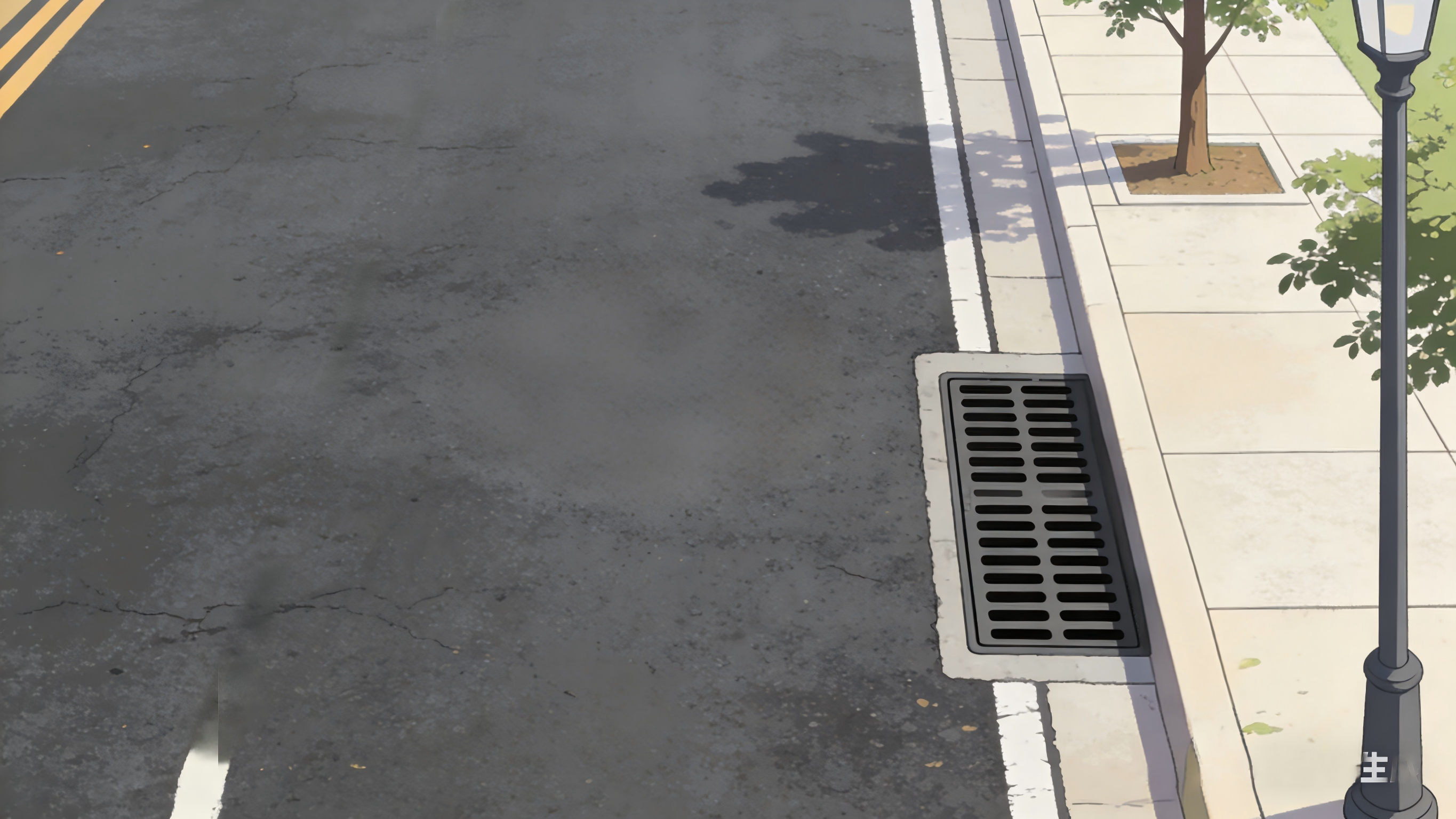
You have to measure before you buy a manhole cover. If you pick the wrong size, it can break or cause accidents. First, check the opening. For round covers, use a tape measure to find the diameter. Measure across the widest part. Check the thickness in a few places to make sure it is even. Look at the height of the frame from the bottom to the top. For square covers, measure the length and width with a tape measure. Check the thickness in different spots. Also, look at the height and width of the frame. Always measure the manhole opening in more than one place. For round openings, measure the diameter in a few spots. For square ones, measure the length, width, and depth. This helps you get the right fit and keeps the cover level with the ground.
Tip: Picking the wrong size can cause dents or cracks. The cover might not sit flat. This can be dangerous for people and cars.
You need to choose the right shape for your project. Round manhole covers are common because they cannot fall into the hole. They spread weight evenly, so they do not crack easily. Square covers are good for small spaces, like telecom chambers or water tanks. They need extra locks to stay safe. The rib design and thickness are important too. A strong rib pattern makes the cover stronger and helps it take hits. The right thickness makes the cover last longer and easier to move.
Here is a table that shows common sizes and shapes for composite manhole covers:
Size (mm) | Shape | Application Description |
|---|---|---|
550 x 550 | Square | Sewer manhole and valve chamber applications in road sites, streets, business campuses, and industrial parks |
450 x 450 | Square | Sewer systems, water tanks, telecom chambers, and electrical manholes in limited excavated areas |
465 x 465 | Square | Road sites, street, business campus, industrial parks with cars and trucks traffic |
350 | Circular | Telecom lines, electrical joints, gas valves, irrigation valves |
360 x 360 | Square | EN124 B125 Composite Manhole Cover |
315 | Circular | BSI EN124 standard |
880 x 880 | Square | Lightweight inspection cover for municipal sewage projects and water mains |
1100 x 1100 | Square | Infrastructure access for electric manhole applications |
900 | Circular | Access to concrete tanks and pump stations, allowing trucks to drive over |
700 | Circular | Sewer manhole systems near buildings with high wastewater discharge |
650 | Circular | Sewer manhole systems and concrete-based water treatment projects |
600 | Circular | Standard manhole tops that cover most manholes, with over 100 molds for production efficiency |

Round covers keep workers safe because they cannot fall in.
They spread out stress, so they are safer and work better.
Square covers need extra locks to stop accidents.
You help your city and keep people safe when you pick the right size and shape for manhole covers.
You want everyone to stay safe near manhole covers. Wet or icy surfaces can cause people to slip and fall. Non-slip surfaces help stop these accidents, especially when it rains or snows. Covers should also be easy to see. Bright colors or shiny markings help people notice them, even at night. These safety features protect drivers and people walking. They help your city avoid injuries and keep things working well.
Non-slip surfaces make slipping less likely in bad weather.
Bright or shiny markings help everyone see the covers.
Sealed covers keep people from falling into open holes.
Tip: Pick covers with bumpy surfaces and bright markings for the best safety.
You need to keep manhole covers safe from thieves and tampering. Sometimes, people steal covers to sell as scrap metal. This leaves dangerous holes in the ground. Composite covers are not worth much as scrap, so they are not stolen as often. Many covers also have locks. These locks keep covers in place and stop people from opening them without permission. You can choose covers with bolts, hinges, or special locks. This keeps your city safe and stops accidents.
Locks stop people from getting in without permission.
Anti-theft designs make stealing covers harder.
Hinged covers help workers check inside safely and easily.
You must follow rules when picking a manhole cover. In many places, covers must meet the EN 124:2015 standard. This rule checks how covers are made, how strong they are, and how well they work. EN 124:2015 Part 5 is for covers made from composite materials. Certified covers show important details, like the standard, load class, maker, and date made. Groups that are not part of the company test and certify these covers. You should always look for these marks before you buy. This makes sure the covers are safe and good quality for your city.
EN 124:2015 checks how composite covers are made and tested.
Certified covers show the standard, load class, and maker.
Testing by outside groups proves the covers are safe and strong.
Note: Always look for certification marks to make sure your covers follow all safety rules.
You should follow good steps when putting in manhole covers. This keeps your city safe and helps covers last longer. Use slip-resistant surfaces and locks to stop accidents and theft. Fiberglass composite covers are best because they do not rust and handle bad weather. Always plan regular checks and clean up any trash nearby. Add backup cables for extra safety and to stop failures. The table below lists important steps for installing covers:
Best Practice | Description |
|---|---|
Safety Measures | Use slip-resistant surfaces and locks for safety and durability |
Material Selection | Pick fiberglass composite covers to resist corrosion |
Regular Maintenance | Inspect and clean covers often |
Locking Systems | Prevent unauthorized access |
Dual-Layer Cables | Add backup cables for extra safety |
Tip: After you install a cover, always check the lock to make sure it works.
You need to take care of manhole covers so they work well. Check covers often, especially where lots of people go. Look for cracks or damage. Composite materials are strong, but big hits or harsh chemicals can cause problems over time. Clean covers and clear away trash to stop blockages. If you see cracks or chips, fix them right away.
Check covers often for cracks or damage.
Clean covers and clear away trash.
Fix cracks or chips as soon as you see them.
Note: Doing regular maintenance helps covers last longer and keeps your city safe.
You want to get the most for your money. Composite manhole covers cost less than iron ones. Composite resin covers usually cost between $30 and $120 each, depending on size and strength. Stainless steel covers can cost more than $200. Composite covers do not rust or break down easily. This means you spend less on repairs and replacements. You save money over time and keep your city safe.
Callout: Composite covers give you strength, safety, and lower costs compared to old models.
You can pick the best manhole covers if you follow these steps. First, think about where you will use the cover. Next, choose a material that fits your needs. Then, check how much weight the cover can hold. After that, pick the right size and shape for the spot. Look for covers with safety and anti-theft features. Make sure the cover follows all rules and standards.
If you use these steps, you get safe and strong covers. The table below shows how checking each step helps you make better choices.
Method | Average Classification Accuracy |
|---|---|
SVM | 86.0% |
SVM | 84.4% |
SVM | 75% |
If you need something special, ask experts or manufacturers for help. These steps help keep your city safe and make sure your covers last a long time.
You get covers that do not rust or corrode. Composite covers weigh less, so you can move them easily. They also resist chemicals and last longer in harsh weather.
You should check the type of traffic in your area. For heavy trucks, pick D400 or higher. For sidewalks, A15 works well. Always match the load class to your location.
You can install many composite covers without special tools. Their light weight helps you lift and place them safely. Always follow the manufacturer’s instructions for best results.
Yes, composite covers resist ice and snow. Many have anti-slip surfaces. You help prevent slips and falls when you choose covers with textured tops.
Yes! Most composite covers meet EN 124:2015 or similar standards. Always look for certification marks on the cover before you buy.


