
Views: 0 Author: Site Editor Publish Time: 2026-07-01 Origin: Site


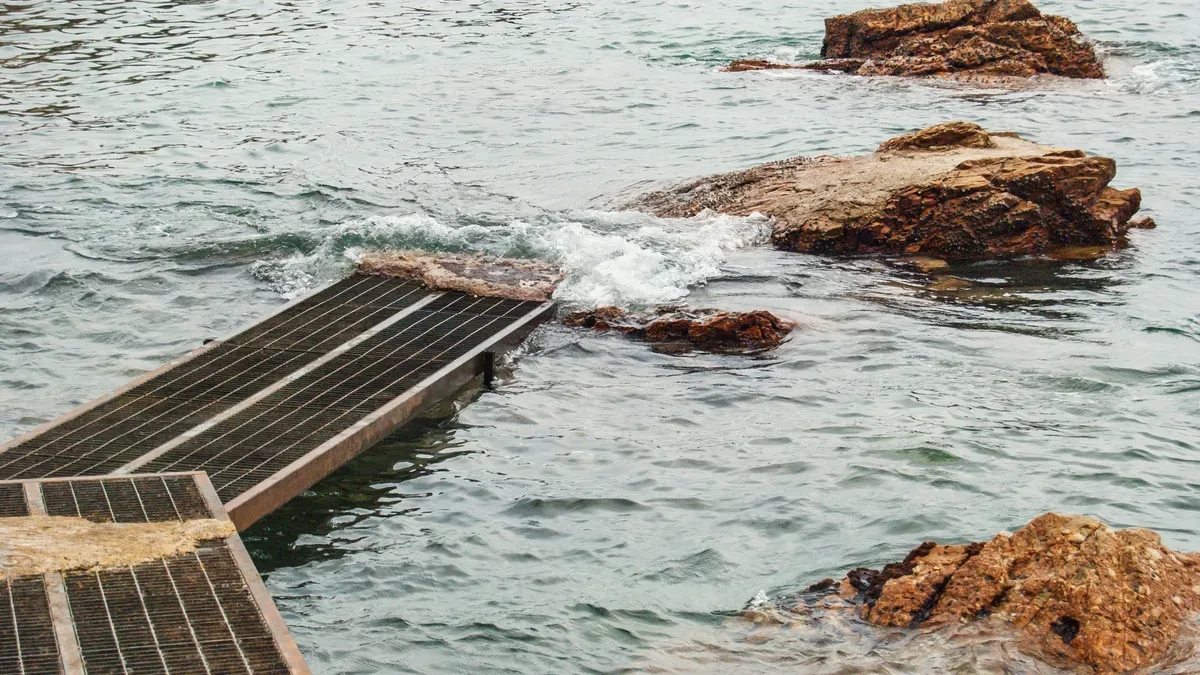
Composite drainage grates work well in coastal places. They do not rust and stay strong for a long time. You do not have to fix them often. Saltwater and wet air make metal grates rust or get stains. Composite grates do not have these issues. You can carry them easily because they are light. These grates do a good job in bad weather. They help you keep drains clean without much work.
Composite drainage grates do not rust from saltwater or wet air.
You save time and money because you do not fix them often.
Composite drainage grates do not rust or corrode from saltwater. This makes them great for places near the ocean.
These grates are light, so you can move and install them easily. You can use them even in places that are hard to reach.
You do not need to fix or replace composite grates often. This saves you time and money.
Composite materials are safe because they do not carry electricity. This lowers the chance of electric shock when it is wet.
If you pick composite grates, you get good drainage. They work well even in bad weather.
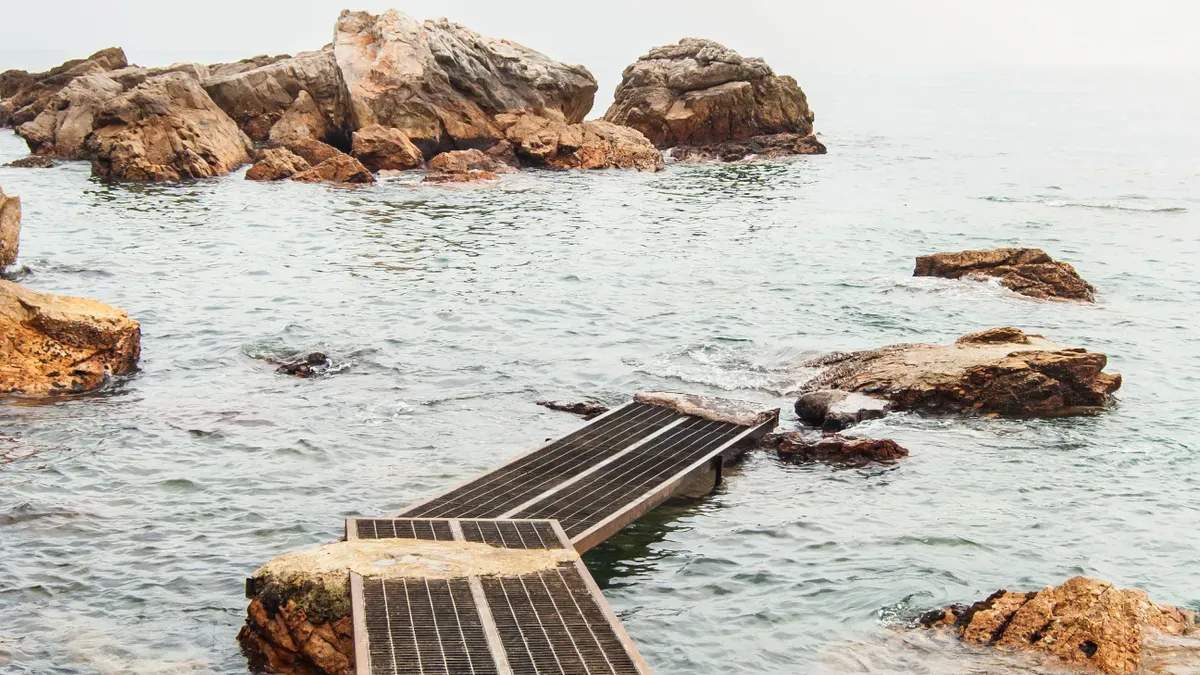
You face many risks when you use traditional drainage grates in coastal climates. Saltwater is a big problem. It causes metal to rust quickly. You see this happen faster near the ocean than inland. Saltwater carries chemicals that break down steel and concrete. This leads to more repairs and higher costs. You also deal with biological fouling. Marine organisms can grow on drainage grates. They block water flow and make corrosion worse. Sand and debris from the beach can scratch and wear away protective layers. This lets water reach the metal and start the rusting process. You need drainage solutions that can handle these tough conditions.
Saltwater, sand, and marine life all work together to damage traditional grates. You need materials that resist these forces for better stormwater management.
Coastal areas often have extreme weather. You see heavy rain, strong winds, and even hurricanes. These events push large amounts of water into the drainage system. Rising sea levels and more storms put extra pressure on drainage solutions. Traditional materials can crack or break under this stress. Water can carry more sand and debris during storms. This fills up drains and slows down water flow. You need stormwater management systems that stay strong and clear in wet environments.
Heavy rain and storms test the strength of drainage grates.
Water from storms can cause flooding if drains clog or break.
You may find it hard to reach some drainage systems in coastal areas. Sand dunes, rocks, and water make it tough to do repairs. If you use materials that need a lot of maintenance, you spend more time and money. Lightweight drainage grates help you move and install them in hard-to-reach places. You want drainage solutions that last longer and need less work. This keeps water moving and helps protect the coast.
Easy-to-carry grates make repairs faster.
Long-lasting materials reduce trips for maintenance.
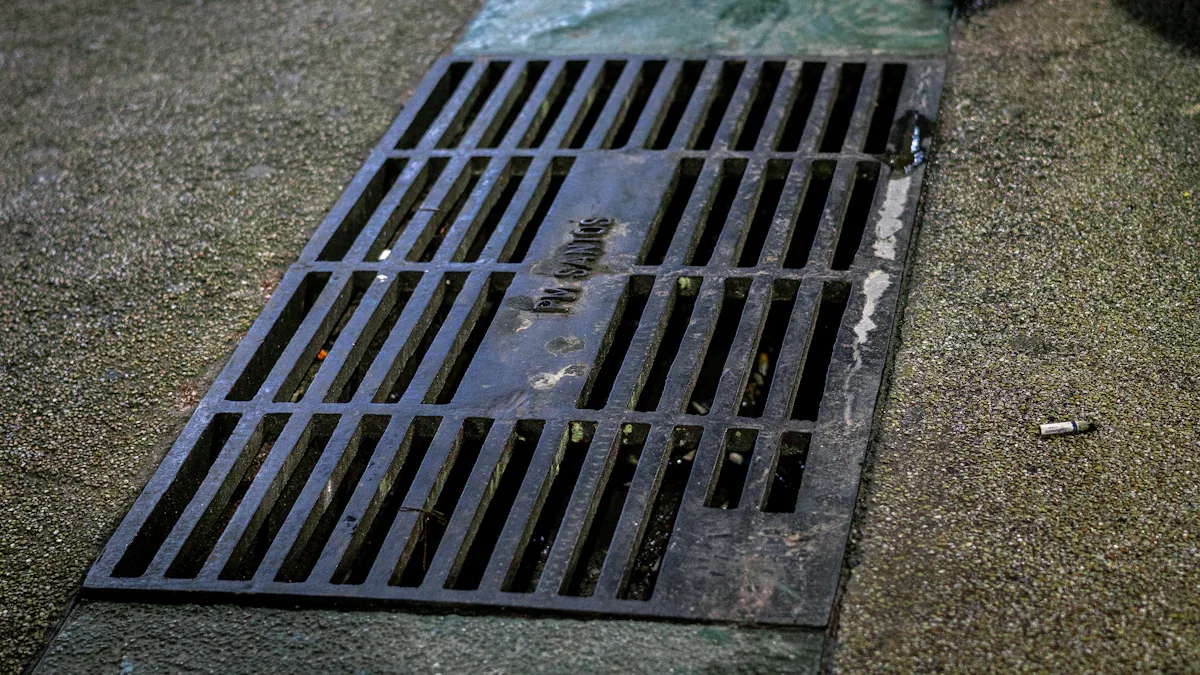
Drainage grates must handle saltwater and wet air. Composite drainage grates resist corrosion very well. Fiberglass reinforced plastic does not rust in coastal places. Metal grates can rust, but fiberglass reinforced plastic stays strong. You do not see rust stains or weak spots. This saves you time and money on repairs. Fiberglass reinforced plastic also stands up to marine life and sand. Your drainage system works better because of this.
Fiberglass reinforced plastic keeps drains working, even with salt and moisture everywhere.
Drainage grates should last a long time. Composite drainage grates stay strong in coastal areas. Fiberglass reinforced plastic does not crack or rot during storms. It holds up in heavy rain and strong winds. You do not need to replace these grates often. Fiberglass reinforced plastic resists damage from sand and debris. This keeps your drainage system clear and working well. Choosing fiberglass reinforced plastic means you get reliable performance every year.
Composite drainage grates are much lighter than metal ones. You can carry and install them easily, even in hard places. You save time and effort when you install them. You also spend less money because you do not need big machines. The table below shows how the lightweight design and other features help you:
Benefit | Description |
|---|---|
Lightweight and Easy Installation | Composite drainage products are lighter than traditional materials, making transport and installation easier in coastal areas. |
Corrosion and Rot Resistant | These materials do not rust, corrode, or rot, so they last longer and need less maintenance. |
Cost-Effective | Composite systems are durable and need little maintenance, so you save money over time. |
Fiberglass grating does not rust or wear out quickly. You do not need to clean or fix it often. This means you get good performance with less work.
Drainage systems should be safe in wet places. Composite drainage grates made from fiberglass reinforced plastic do not carry electricity. This makes them safer than metal grates. You lower the risk of electric shock where water and electricity might mix. Here are some key points:
Composite drainage grates, like fiberglass, have low electrical conductivity.
Aluminum or steel have higher electrical conductivity.
Composites reduce risks in places sensitive to electricity.
Fiberglass grating gives safe performance for workers and the public. You can use these grates near electrical equipment without worry.
Fiberglass reinforced plastic and fiberglass grating resist corrosion, last long, and are easy to maintain. They also give safety benefits that metal grates cannot. Composite drainage grates help you solve tough coastal problems and keep your drainage system working well.
You want drain grates that last in coastal areas. Composite drainage grates resist corrosion very well. Saltwater and wet air do not harm them like iron or steel. You see less rust and fewer weak spots. This keeps your drain clear and open. Composite grates handle heavy loads and bad weather. They do not crack or rot easily. Metal grates often need to be replaced after storms or many years. Composites help your drain system work longer.
Composite drainage grates save you time and money. They need almost no maintenance. Metal grates must be checked often for rust and damage. You have to clean or replace them more. Composites resist corrosion and do not need paint or coatings. The table below shows how different materials compare for maintenance and cost:
Grate Type | Maintenance Requirement | Advantages in Coastal Areas |
|---|---|---|
Aluminum | Low | Marine-grade, saltwater resistant |
Composite | None | No rust, no need for coatings |
You should think about long-term costs. Composite drain grates last longer and need fewer replacements. You avoid high maintenance costs. Stainless steel lasts 20-30 years with little maintenance. Plastic grates last only 5-10 years and need more replacements. Composites give you the best mix of durability and cost.
You need safe and good drain systems in busy coastal places. Composite drainage grates use special slot patterns and narrow openings. These features stop high heels, canes, and small wheels from getting stuck. You protect people in parks, plazas, and walkways. The slip-resistant surface lowers the risk of falls. Wet metal grates can be slippery. Composites keep drains safe and clear, even when it rains. You get better corrosion resistance and performance for every drain.
Composite grates make drains safer for everyone.
You get reliable drainage and less maintenance work.
You want a great drainage system for places near the ocean. Composite drainage grates are a smart choice. They do not rust or break down from saltwater. These grates last a long time and help keep people safe. The table below explains why they are a good pick:
Benefit | Description |
|---|---|
Corrosion Resistance | No rust or decay from saltwater and moisture. |
Lightweight Nature | Easy to move and install. |
Non-Slip Properties | Safer in wet weather. |
Low Maintenance | Needs little repair or cleaning. |
Long-Term Cost Savings | Better cost-efficiency over time. |
Many cities now use composites that are better for the environment. Smart drainage systems help protect the coast. You can count on composite grates to save money and work well for a long time.
You get strong protection from rust and corrosion. Composite grates do not break down in salty air or water. You spend less time on repairs. These grates last longer than metal ones.
Yes. You stay safe because composites do not conduct electricity. You lower the risk of electric shock in wet places. This makes them a smart choice for areas near water.
You clean them with water and a brush. You do not need special cleaners. Composite grates resist stains and buildup. You spend less time and money on maintenance.
Yes. You can lift and move them by hand. Composite grates weigh less than metal ones. You finish installation faster and easier, even in hard-to-reach places.


