
Views: 0 Author: Site Editor Publish Time: 2026-07-08 Origin: Site



You can make coastal stormwater systems better by using composite drainage grates. Composite grates do not rust from salty air or water. They are strong and light. They can handle lots of rain and fast water. These grates help keep stormwater moving safely. They also help stop slips and injuries in busy places.
Pick composite drainage grates for coastal stormwater systems. They do not rust or corrode, so they last longer in tough places.
Put in grates that let a lot of water pass through. This stops flooding and keeps roads safe when it rains a lot.
Take care of your grates often. Look at them every three months and after storms to make sure they are not blocked and work well.
Choose grates that follow safety and environmental rules. This keeps your community safe and follows local laws.
Use composite grates to help stop pollution. They keep bad metals out of stormwater, so water and animals stay safe.
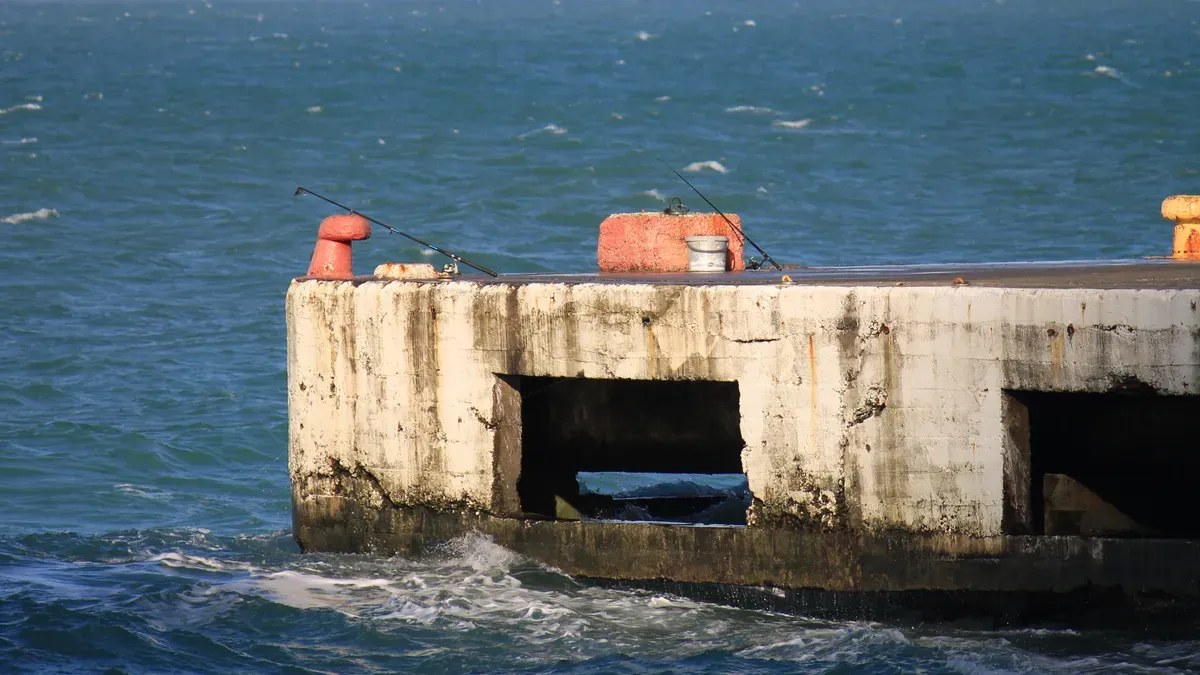
It is hard to manage coastal stormwater systems. Saltwater and wet air can ruin metal grates fast. Composite grates are a better choice for you. They do not rust or break down like metal grates. You can look at the table below to see the difference:
Material Type | Corrosion Resistance | Maintenance Needs | Suitability for Coastal Areas |
|---|---|---|---|
Composite Grates | High | Low | Suitable |
Galvanized Steel Grates | Moderate | Moderate | Less Suitable |
Stainless Steel Grates | High | Moderate | Suitable |
Composite grates stay strong in tough coastal places. You can move and put them in place without much effort. They are lighter than metal grates. This makes your job safer and quicker. You do not have to fix them as often. You save time and money on repairs. Composite grates last a long time and need little care. These grates do not let bad metals get into stormwater. This helps keep the environment safe.
Tip: Pick composite grates if you want a stormwater grate that does not rust and is easy to take care of.
You must control stormwater runoff to stop floods and pollution. Composite grates help you do this job well. They let water move fast through the drainage system. Streets and sidewalks stay clear when it rains a lot. You lower the chance of water staying in one place. Standing water can cause accidents and harm. A stormwater grate made from composite material does not get blocked as much as some metal grates. Your coastal stormwater systems keep working, even in storms.
Composite grates also help stop trash from getting to the ocean. They catch big pieces of debris before they go into the drains. This keeps local water and animals safe. By using the right stormwater grate for coastal areas, you make your community cleaner and safer.
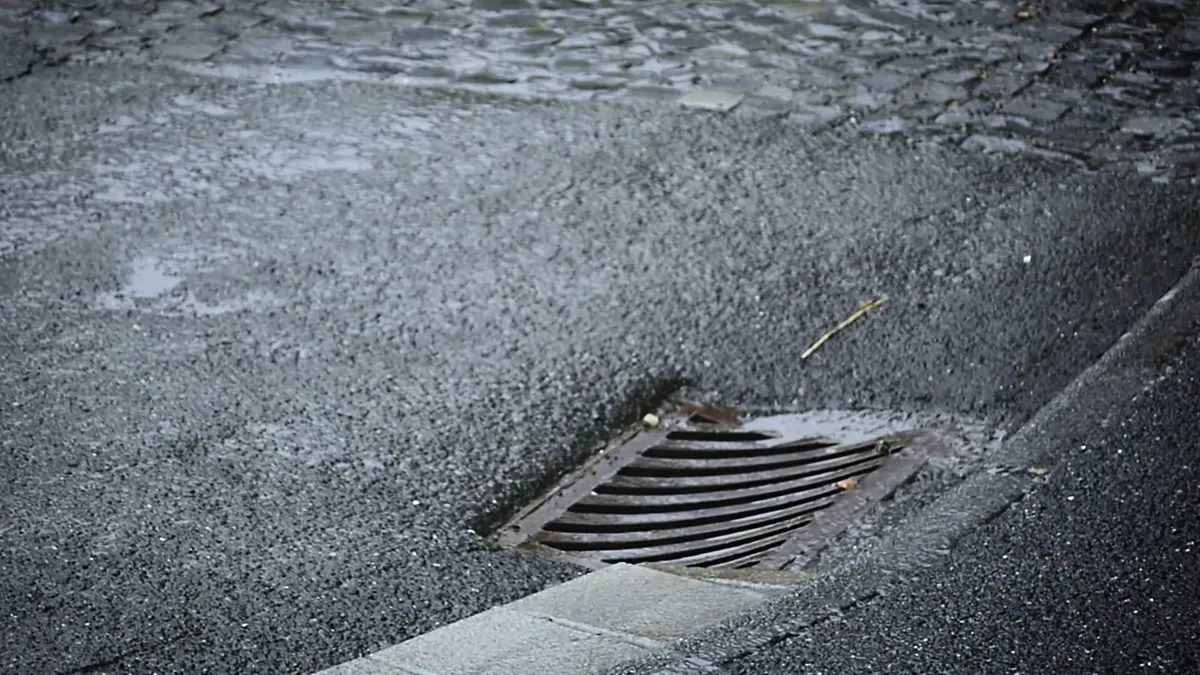
Coastal stormwater systems have harsh weather. Saltwater and wet air can hurt many stormwater grates. Composite grates are a strong choice for these places. They do not rust or get weak like metal grates. You can count on them to last longer in tough weather.
Lab tests show how well composite grates fight corrosion. The Neutral Salt Spray Test and Cyclic Corrosion Tests check how materials do in salty, wet air. You can look at the table below for results:
Test Type | Description | Key Findings |
|---|---|---|
Neutral Salt Spray Test | Samples exposed to a fog of 5% NaCl solution at 35°C. | Minimum of 1000-1500 hours without failure is common. |
Cyclic Corrosion Tests | Simulates wet/dry cycles, UV exposure, and freeze/thaw. | More realistic; covers different corrosivity categories. |
These tests mean composite grates stay safe and strong for years. You do not have to worry about sudden breaks or costly repairs. This helps your drainage system work well, even in storms.
Note: Composite grates help stop pollution from rust and metal getting into stormwater.
You need grates that move water fast when it rains hard. Composite grates have a high flow-thru design. Water goes through quickly, so flooding is less likely. Streets and sidewalks stay clear and safe.
Some stormwater grates can clog or slow water down. Composite grates handle lots of water and trash better. You get fewer clogs and less standing water. This lowers the chance of accidents and damage.
Composite grates also help with sustainability. They are strong but not heavy and need less care. You can see more benefits in the table below:
Advantage | Description |
|---|---|
Corrosion Resistance | Highly resistant to corrosion, suitable for wet and humid environments. |
Strength-to-Weight | Strong and durable without the heavy weight of metal. |
Low Maintenance | Needs less care than metal grates due to resistance to rust and staining. |
Customizable | Available in many colors and designs for better integration. |
You help your community by picking grates that manage stormwater well and cut down on pollution.
You need to keep people safe near stormwater grates. Composite grates have slip-resistant surfaces. This lowers the risk of slips and falls, even in rain. Some stormwater grates can get slippery or break under heavy weight. Composite grates stay safe and strong.
You also need to follow local rules for stormwater systems. Composite grates meet many safety and compliance rules. They come in many sizes and shapes for your project. This makes it easier to follow the rules and keep your drainage system up to code.
Tip: Always make sure your grates meet the newest safety and treatment rules for coastal stormwater systems.
You protect your community and the environment by using the right stormwater grates. You make sure stormwater runoff gets treated and does not cause harm.
You need to pick the right composite drainage grates for your coastal stormwater system. Think about a few important things before you choose. The table below shows what you should look at:
Criteria | Description |
|---|---|
Material Selection | Choose composite materials instead of cast iron or steel. They last longer. |
Installation Regulations | Follow rules for putting grates in place and keeping them secure. |
Environmental Compliance | Use materials that are good for the environment and check if they are recycled. |
Safety Requirements | Make sure the grate fits the area, like for people walking or for factories. |
Maintenance Accessibility | Pick designs that make it easy to check and clean the grates. |
Cost-Effectiveness | Look at how much it costs to install and take care of the grates. |
Pollution Prevention | Make sure the grates help with drainage and stop pollution. |
Aesthetic Integration | Choose grates that look good in your community. |
You must follow australian standards for stormwater management. These rules help you keep water clean and your drainage system safe.
You need to install composite grates the right way. Try not to make mistakes. The table below shows errors you should avoid:
Common Mistakes | Description |
|---|---|
Improper Specification | Not checking how much weight the grate can hold may cause problems. |
Poor Maintenance | If you skip regular care, debris builds up and water does not drain well. |
Environmental Effects | Coastal weather means you need to check grates more often. |
You must secure grates tightly and check them after you put them in. Follow australian standards for where to place grates and how to treat stormwater. Make sure grates can handle lots of water and heavy things.
Tip: Always check the anti-slip surface and locking parts after you finish installing.
You need to keep your grates clean and safe. Check them at least four times every year. After big storms, look for debris and damage. Check for corrosion and make sure the anti-slip surface is still good. Engineers say composite grates do not rust and last a long time. They are light but strong and can hold up to 40 tonnes. You do not need to do much maintenance, but regular checks help stormwater management and treatment.
Check grates every three months.
Look at grates after heavy rain.
Remove debris and check for damage.
You help manage water runoff and keep stormwater clean. You protect your community from pollution and keep your drainage system working well. Follow australian standards for maintenance and treatment to make sure stormwater management works.
When you use composite drainage grates, coastal stormwater systems get better. These grates help keep water clean and control how much water there is. They do not rust, so they help stop pollution. You should test the water often to make sure it is safe. Pick the right grate for your system. Put it in the right way and keep it clean. Doing these things helps your community stay safe. Your drainage system will also work better and last longer.
You get strong grates that last a long time. Composite drainage grates do not rust in salty places. They keep water moving and help protect your community.
Look at the surface for cracks or other damage. Check for problems after storms. Good grates stay strong and do not rust. You can use a checklist to help with maintenance and keep them working well.
Tip: Always look at the anti-slip surface to make sure it is safe and works well.
You can trust composite grates on busy streets and sidewalks. They hold heavy things without bending or breaking. Good grates follow safety rules and keep people safe in crowded places.
Clean the grates every three months. After big storms, check for trash and damage. Taking care of grates helps your system work and stops pollution.
Take out trash often
Look for damage
Check for problems
You help nature when you pick composite drainage grates. Good materials do not let bad metals get into stormwater. You keep water and animals safe with these grates.


