
Views: 0 Author: Site Editor Publish Time: 2026-04-28 Origin: Site


When you look at composite manhole cover vs cast iron manhole cover for city projects, you see that composite covers often have more good points. Many cities pick composite covers because they last longer, do not rust, and help keep workers safe when putting them in. More governments now support composite covers for green building. Here are some reasons why composite covers are getting more popular:
They are strong and have better safety parts.
They are lighter, so they are easier and safer to move.
You pay less for fixing them over time.
New rules now support green choices.
You should also think about your city's weight needs, weather, money, and how well you can take care of covers before you choose.
Composite manhole covers weigh less and are easy to move. This helps keep workers safe when they put them in place. They do not get rusty, so you save money over time. You do not need to fix them as much. Cast iron covers are very strong. They work well in places with lots of cars. But you must check them often for rust or breaks. Picking composite covers can make things safer. They are not worth much to people who steal metal. So, they get stolen less. Think about what your city needs. Look at how many cars go by and the weather. This helps you pick the right manhole cover.
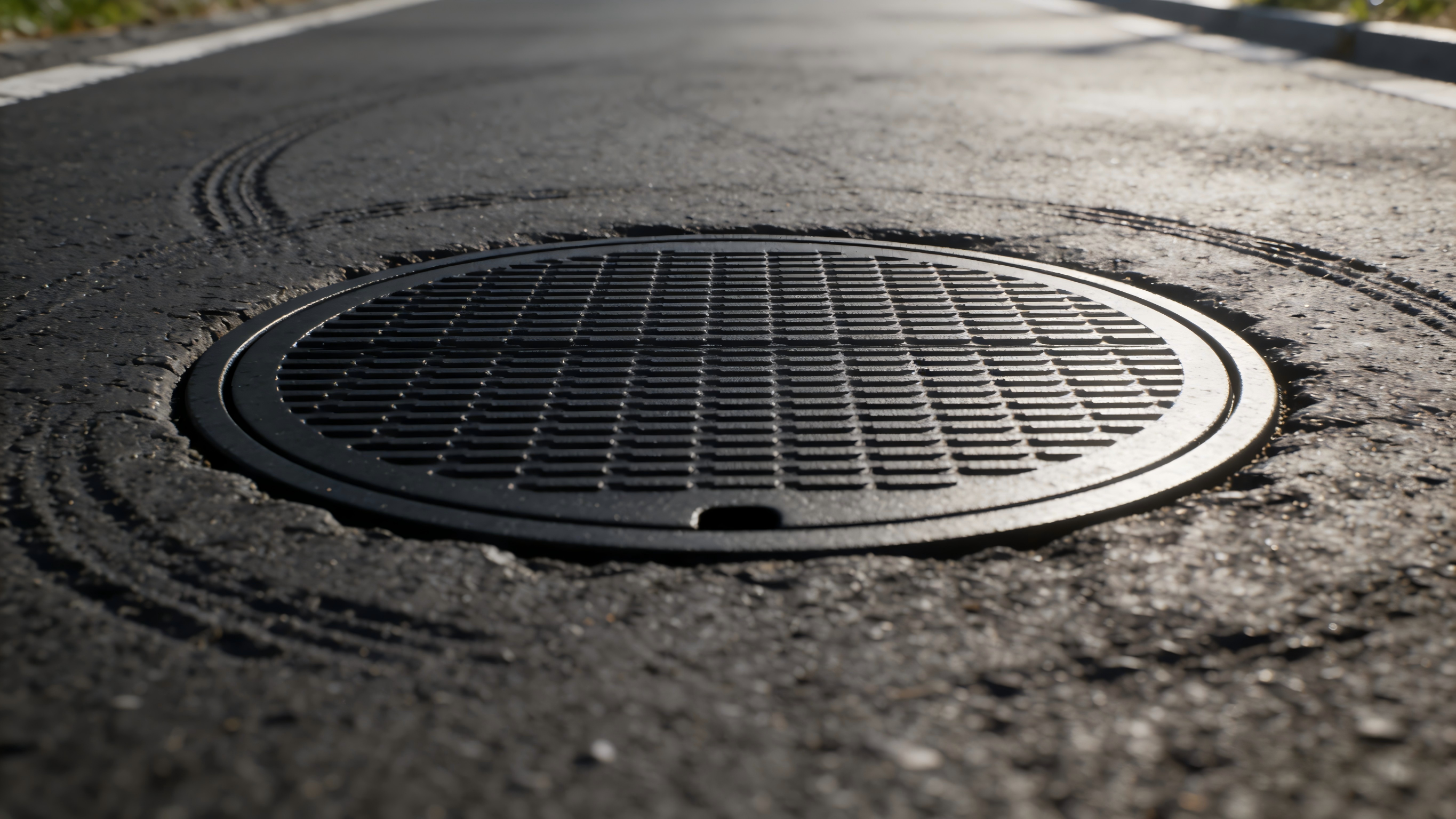
When you look at composite manhole cover and cast iron manhole cover, you notice they are made from different things. They both help keep people safe and protect pipes under the ground. But each one works best in different places.
A composite manhole cover is made with strong stuff like fiberglass and resin. This makes the cover light and smooth. It does not rust. Cities use these covers on busy roads or wet places because they last a long time. Workers can move them easily, so it is safer for them. These covers do not carry electricity, so they are good near wires. You can also make them look nice to match the street.
Tip: Pick a composite manhole cover if you want one that will not rust and is easy to pick up.
A cast iron manhole cover is made from heavy iron. This cover is very strong and can hold a lot of weight. Cities put these covers on roads, sidewalks, and parks. They help air move in sewers and keep pipes safe. Cast iron covers can look good and fit old or new streets. They are heavy, so workers must be careful when lifting them.
Here is a table that shows the main differences:
Feature | Composite Manhole Cover | Cast Iron Manhole Cover |
|---|---|---|
Material | Composite material | Iron material |
Strength | Weaker than cast iron | Stronger than resin |
Moulding Method | Compression molding | Molten iron casting |
Surface Smoothness | Smoother than cast iron | Rougher than composite |
When you choose between composite manhole cover and cast iron manhole cover, think about where you will use them. Composite covers are good for wet places or if you need to move them a lot. Cast iron covers are better for roads with heavy cars or if you want a classic look. Both types help your city stay safe and work well.
It is important to know how much weight a manhole cover can hold. This matters for roads, sidewalks, and parks. Cast iron manhole covers are very strong. You see them on highways and in busy work areas. These covers can hold big trucks and heavy machines. Composite manhole covers are good for places with less traffic. You find them on neighborhood streets, sidewalks, and gardens. Some composite covers can hold heavy things, but they cost more money.
Here is a table that shows where each cover works best:
Manhole Cover Type | Load Capacity and Suitable Applications |
|---|---|
Cast Iron | Designed for high-traffic areas including highways and industrial zones, indicating a high load capacity suitable for heavy-duty use. |
Composite | Intended for light to medium traffic areas such as residential streets, sidewalks, and gardens. Heavy-duty composite options exist but are generally more expensive. |
Impact resistance is important for safety. You want a cover that can take hits from cars or tools. Some composite covers like DUROSTREET have been tested for strength. They can hold 50,000 pounds and survived 2 million cycles at 16,000 pounds. This means composite covers can take strong hits. You can use them on roads where cars and trucks drive a lot. Cast iron covers are also good at taking hits because of their strong material. Both types keep people and pipes safe under the ground.
Note: If you need a cover for a busy road, cast iron is a strong choice. For lighter traffic, composite covers offer good impact resistance and are easier to handle.
You want your manhole cover to last many years. How long it lasts depends on what it is made of. Cast iron covers last a long time, but they can rust in wet places. Rust makes the cover weak and unsafe. Composite covers do not rust. They are very good at fighting corrosion. You can use them near the ocean or where there are de-icing chemicals. Composite covers stay strong in tough weather.
Here is a table that compares corrosion resistance and lifespan:
Material Type | Corrosion Resistance | Suitable Environments | Cost Efficiency |
|---|---|---|---|
Composite (GRP) | High | Corrosive environments (coastal, de-icing) | Economical solution |
Cast Iron | Moderate | Humid environments | Higher maintenance costs |
Cast iron covers are strong and last a long time. But you need to check them for rust.
Composite covers are great at fighting rust. They do not rust, so you do not fix them as much. You can use them in places with lots of water or chemicals.
Think about the weather in your city. If you have salty air or use de-icing salt, composite covers will last longer. Cast iron covers need more care in these places. Composite covers often last longer because they do not rust.
Tip: Choose composite covers for places with lots of water or chemicals. Pick cast iron covers if you want a classic look and do not worry about rust.
It is important to think about how easy covers are to move. Composite covers are much lighter than cast iron covers. You can see this in the table below:
Type of Cover | Weight Range (pounds) | Handling Impact |
|---|---|---|
Composite | 40 to 60 | Easier to move, reduces injury risk |
Cast Iron/Ductile | 165 to 250 | Heavy, requires special tools, increases injury risk |
When workers use composite covers, they are less likely to get hurt. They can pick up and put down these covers without using machines. Cast iron covers are very heavy. Workers need tools or help from others to move them. Lifting heavy covers can hurt your back or cause accidents. Composite covers also do not rust easily. This means you do not have to fix them as much, and there are fewer safety problems.
Here is another table that shows safety risks:
Type of Manhole Cover | Safety Risks |
|---|---|
Cast Iron | Heavy weight poses risks during installation and maintenance; prone to corrosion leading to costly repairs and public health hazards. |
Composite | Lighter weight reduces handling risks; more resistant to corrosion, leading to fewer safety concerns. |
Tip: Pick composite covers if you want to make work safer and spend less time fixing them.
You should also think about stealing and slipping. People steal cast iron covers because they can sell them for money. Thieves take them and sell them as scrap metal. Composite covers are not worth much as scrap. Cities that use composite covers do not have as many thefts. This keeps the streets safer and saves money.
Composite covers are also good at stopping slips. Many have bumpy tops that help people not fall, even when wet. Cast iron covers can be slippery, especially when it rains or snows. Picking covers that do not slip helps keep people and workers safe.
Note: Composite covers help your city stay safe. They stop theft and make it less likely for people to slip.
You should think about the price now and later. Composite manhole covers usually cost less than cast iron ones. Here are some prices for composite covers:
Standard SMC composite covers (500x500 mm): $30–$70 each
Reinforced FRP composite covers (600x600 mm): $80–$120 each
Sanitary stainless steel covers: Over $200 each
Cast iron covers cost more at first. The heavy material and how they are made make them pricier. If you pick composite covers, you save money right away. They are lighter, so it costs less to move and put them in place.
Tip: If your city wants to save money, composite covers are a smart choice for most jobs.
You also need to think about fixing or replacing covers. Cast iron covers need to be checked for rust and cracks often. If your city gets lots of rain or uses road salt, you might have to replace cast iron covers sooner. Composite covers do not rust and can handle chemicals. You do not need to fix them as much. They last longer in bad weather.
Here is a table that shows how often you need to check each type:
Cover Type | Maintenance Frequency | Replacement Cycle | Common Issues |
|---|---|---|---|
Composite | Low | 15–30 years | Surface wear |
Cast Iron | Moderate to High | 10–20 years | Rust, breakage |
You spend less money on fixing composite covers over time. Thieves do not steal them because they are not worth much. Many composite covers also have tops that help stop people from slipping.
Note: If you want to fix and replace covers less, composite covers help your city save money and time.
It is important to think about the environment when picking manhole covers for your city. Cast iron manhole covers can be recycled completely. You can melt them and use the metal again, so there is less waste. But making cast iron covers uses a lot of energy and makes pollution. Over time, rust can also hurt the environment.
Composite covers are made with materials that do not rust or leak bad stuff. Many composite covers use recycled plastic or resin, which is better for the earth. Some composite covers cannot be recycled all the way, depending on what they are made of. Because they are lighter, trucks use less fuel to move them, so there is less air pollution.
Here is a table that shows how each type helps or hurts the environment:
Material | Advantages | Disadvantages |
|---|---|---|
Cast Iron | You can recycle it all, so there is less waste. | Making it uses a lot of energy and pollutes the air. |
Rust can hurt the environment over time. | ||
Composite | Made from safe materials that do not rust or leak. | Sometimes you cannot recycle all of it. |
Lighter weight means trucks use less fuel. | ||
Does not leak anything bad into the ground or water. |
You should also think about how much each cover type affects the earth. Cast iron manhole covers have a big carbon footprint because mining and making them uses lots of energy. Even recycling cast iron covers makes greenhouse gases. Composite covers need less energy to make. They are lighter, so moving and putting them in uses less fuel.
Composite covers last longer because they do not rust. You do not have to replace them as often, so there is less trash. Some companies use old plastic bags and other waste to make composite covers. This keeps trash out of landfills and helps the planet.
Making cast iron covers needs mining and melting, which hurts nature.
Composite covers use fewer new materials and help stop noise from traffic.
Composite covers do not rust, so they are safer for animals and water.
Tip: If you want your city to be greener, composite covers are a good pick. They help cut down on pollution, waste, and harm to the earth.
Composite manhole covers are used in many city places. They are good when you need safety and covers that do not rust. You can use them on streets, sidewalks, and gardens. These covers work well where there is not a lot of traffic. They are also good in places where people might steal metal. Thieves do not take composite covers because they are not worth money.
Many cities pick composite covers for new projects. They are light, so workers can move them easily. You do not need special tools to put them in. This helps keep workers safe from getting hurt. Composite covers do not get stuck because they do not rust. They last a long time, even in wet or salty places.
Here is a table that shows the main good things about composite manhole covers:
Benefit | Description |
|---|---|
Load Strength | Passes AASHTO M 306 Proof Load test for highways. |
Corrosion Resistance | Does not corrode, prevents stuck covers, lasts longer. |
Weight Reduction | About half the weight of iron covers, reduces back injuries. |
Theft Prevention | No scrap metal, eliminates theft issues. |
Watertight Seal | Gasketed and bolted design keeps water out, tested by third parties. |
Tip: Pick composite manhole covers if you want easy and safe work, less fixing, and no problems with stealing.
Cast iron manhole covers are best for places with lots of cars and trucks. They are very strong and last a long time. You see them on busy roads, highways, and places with big machines. Cast iron covers are also used in old parts of cities for a classic look.
These covers last many years if you check them for rust and cracks. They are heavy, so you need tools to move them. Cast iron covers are good when you need to hold a lot of weight. You can use them on busy city roads and at big intersections.
Here is a table that shows where each cover works best:
Application Type | Recommended Cover Type | Key Benefits |
|---|---|---|
High-traffic municipal roads | Cast iron manhole covers | Unmatched load capacity and durability |
Residential areas | Composite manhole covers | Lightweight, corrosion-resistant, theft-proof |
Pedestrian pathways | Composite manhole covers | Lightweight, corrosion-resistant, theft-proof |
Theft-prone zones | Composite manhole covers | Lightweight, corrosion-resistant, theft-proof |
Note: Use cast iron manhole covers for places that need to be very strong. Choose composite covers for safer, lighter, and newer city projects.
You want to pick the best manhole cover for your city. This table shows the main ways composite and cast iron manhole covers are different. It helps you choose the right one for your project.
Feature | Cast Iron Manhole Covers | Composite Manhole Covers |
|---|---|---|
Durability and Strength | Very strong, good for busy roads. | Strong and stands up to bad weather. |
Advantages | Super strong, lasts over 50 years. | Does not rust, stands up to sunlight. |
Disadvantages | Can rust, very heavy to move. | Not as strong for really heavy jobs. |
Weight and Handling | Heavy (50-150 kg), hard to lift and move. | Light (up to 70% less), easy to put in place. |
Safety and Security | Hard to steal because it is heavy, but can be slippery. | Not slippery, can be locked to stay safe. |
Environmental Impact | Can be recycled, but making it uses lots of energy. | Does not rust, lighter so trucks use less fuel. |
Cost | Cheaper at first, but costs more to fix later. | Costs more at first, but you fix it less. |
Cast iron manhole covers are best for busy streets. They last a long time and can hold heavy cars and trucks. You need to check them for rust and cracks. Composite manhole covers do not rust. You can use them where you want to fix things less. They are light, so workers can carry them without machines. You do not need special tools to put in a composite manhole cover.
Cast iron manhole covers cost less when you buy them. But you pay more later to fix and keep them working.
Composite manhole covers save money over the years. You do not have to fix them as much.
Composite manhole covers are safer. They do not slip and people do not steal them.
Using composite manhole covers is better for the earth. They are light and do not rust.
Tip: Use this table to see the differences fast. You can pick the best manhole cover for your city by looking at strength, safety, price, and how it affects the earth.
Composite manhole covers last a long time and are easy to lift. They do not need much fixing. Cast iron covers are strong for busy roads but need more care. The table below shows how they are different:
Material | Durability | Weight | Maintenance | Cost-Effectiveness |
|---|---|---|---|---|
Composite | High | Light | Low | High |
Cast Iron | Moderate | Heavy | Moderate | Low |
Pick composite covers for green projects and easy lifting. Cast iron is good for roads with lots of cars. The table and chart below help you pick the best cover:

Tip: Look at the tables and chart to find what your city needs.
Composite covers are light, so workers can lift them easily. They do not need machines or extra people to help. This means workers are less likely to get hurt when putting them in or taking them out.
Some composite covers are made for busy roads. These strong covers pass tough tests for weight. Always look at the load rating before picking a cover for places with lots of cars.
People do not steal composite covers because they are not metal. They cannot sell them for scrap money. This keeps your city safer and saves money on buying new covers.
You can recycle cast iron covers. Scrap yards melt them and use the metal again. Recycling helps make less trash and is better for the earth.


