
Views: 0 Author: Site Editor Publish Time: 2026-05-09 Origin: Site


Protecting underground utility components is just as critical as selecting the right hardware. A dependable enclosure acts as an essential underground protective housing for vital fluid-control systems. Historically, many property managers and contractors relied on exposed, above-ground installations. Now, the industry has firmly shifted toward secure, subterranean systems. This transition effectively prevents environmental wear and stops mechanical damage before it ever happens. Leaving delicate components exposed simply guarantees premature failure. We will explore how these rugged enclosures safeguard your infrastructure against daily threats. You will discover exactly how to evaluate capacity, decipher load ratings, and plan for long-term maintenance requirements. This guide equips buyers, facility operators, and installers with the practical knowledge needed for successful underground setups. We provide clear, actionable steps to ensure your utility lines remain secure, easily accessible, and fully functional for years.
Protection vs. Access: Valve boxes shield delicate components from UV damage and heavy machinery while preserving immediate, dig-free access for maintenance.
Capacity Reality: Upsizing a box is primarily about ensuring "elbow room" for future repairs, not cramming the maximum number of components inside.
Application Specificity: Selection must align with the environment—ranging from residential irrigation to traffic-rated commercial infrastructure.
Installation Matters: A high-quality box will still fail if installed without proper gravel drainage or if the housing weight rests directly on the plumbing lines.
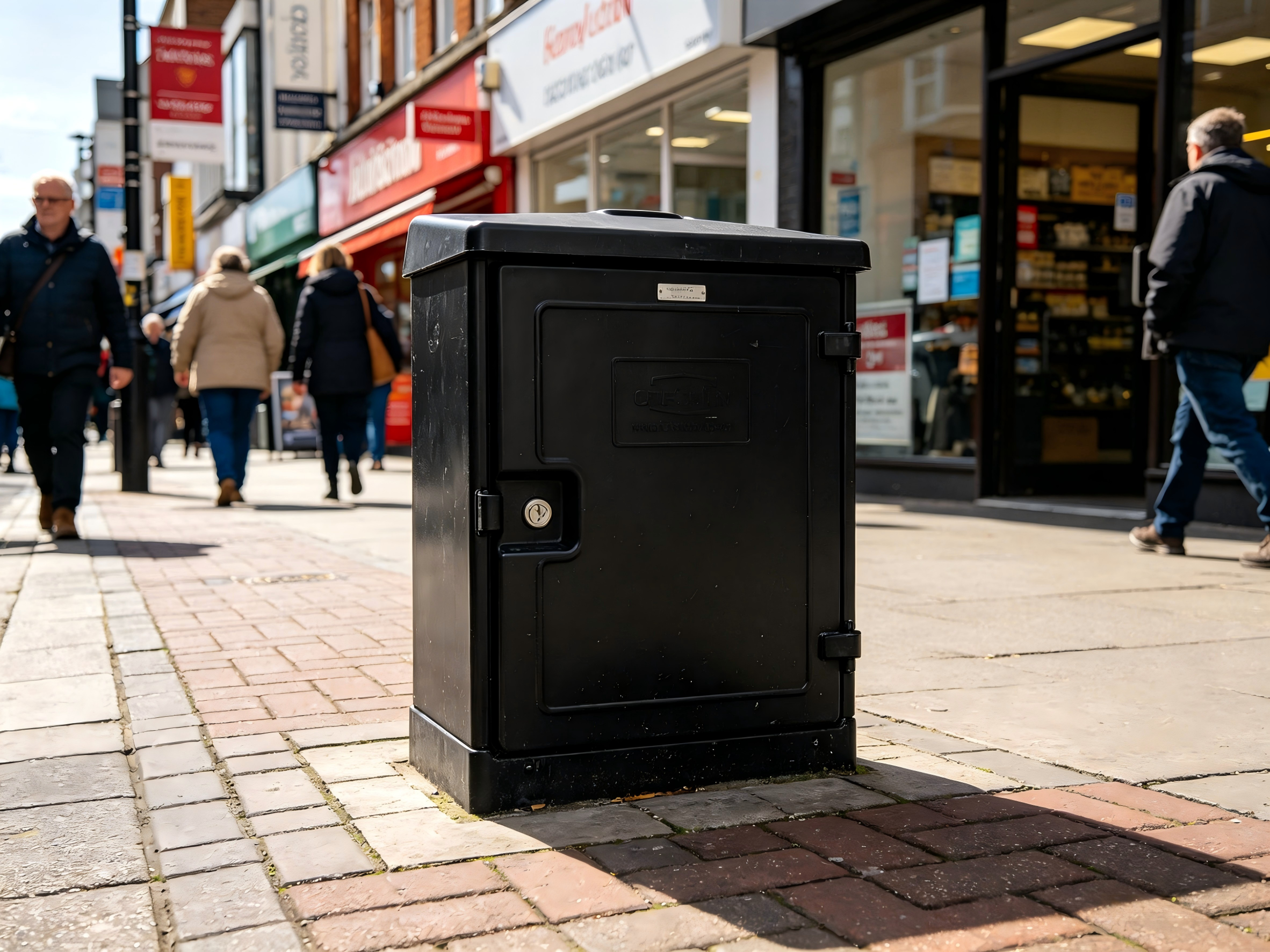
Utility hardware rarely fails in a vacuum. Exposure to the elements accelerates degradation. A robust underground enclosure creates a dedicated safe zone for your infrastructure.
Most people assume these enclosures only house standard flow valves. They actually enclose a wide variety of sensitive plumbing and electrical hardware. You will frequently find filters, pressure regulators, wire splices, and backflow preventers tucked inside. Leaving a wire splice buried directly in damp soil invites electrical shorts. Placing these parts inside a rigid housing isolates them from shifting earth and abrasive soil particles.
Above-ground components face constant weathering. High-grade enclosures offer two primary layers of defense:
Weather Resistance: They block direct sunlight. Ultraviolet (UV) degradation rapidly breaks down exposed plastics, turning flexible PVC brittle. The enclosed air pocket also insulates hardware against extreme temperature fluctuations, reducing the risk of freeze-cracks during sudden cold snaps.
Impact Protection: They defend against blunt physical impacts. Riding lawn mowers, motorized edgers, and heavy pedestrian foot traffic routinely destroy exposed sprinkler heads and valves. A reinforced lid absorbs these shocks safely.
Groundwater carries abrasive dirt, mud, and debris. This slurry easily fouls moving mechanical parts and degrades sensitive electrical connections. The enclosure walls act as a barrier. They keep surrounding soil out while allowing internal condensation to drip away safely. Clean components operate smoothly and require far fewer emergency service calls.
You will spot these access points across diverse environments. Their design adapts to specific site requirements and regional utility codes.
Modern landscapes heavily depend on subterranean hardware. A property manager typically installs a dedicated irrigation valve box to house complex manifold setups and drip emitter systems. Visual aesthetics matter in these spaces. Manufacturers often utilize green lids to blend seamlessly with turf grass. In arid or desert environments, installers prefer sand-colored lids to match gravel and natural stone.
City planning requires highly resilient access points. A municipality deploys a heavy-duty water meter box to manage community water supplies securely. Gas lines and deep municipal mains often utilize telescoping curb boxes. These specialized housings feature adjustable steel upper sections that slide over cast-iron bases. They adapt easily to changing pavement heights over time. When evaluating a combined valve box and meter box setup, engineers prioritize unauthorized access prevention alongside structural strength.
Safety regulations mandate clear visual identification for underground utilities. International color-coding standards prevent disastrous cross-contamination. Workers must instantly recognize what flows beneath the lid.
Lid Color | Designated Utility Application | Primary Purpose |
|---|---|---|
Green | Irrigation / Sanitary Sewers | Blends with turf; indicates standard landscape water or sewer access. |
Blue | Potable Water | Marks clean, safe drinking water lines and municipal meters. |
Purple | Recycled / Non-Potable Water | Critical safety warning. Prevents cross-connection with drinking water. |
Red | Electrical Power | Signals high-voltage cables and conduit splices. |
Sand / Tan | Desert Landscaping | Cosmetic match for arid, zero-scaping environments. |
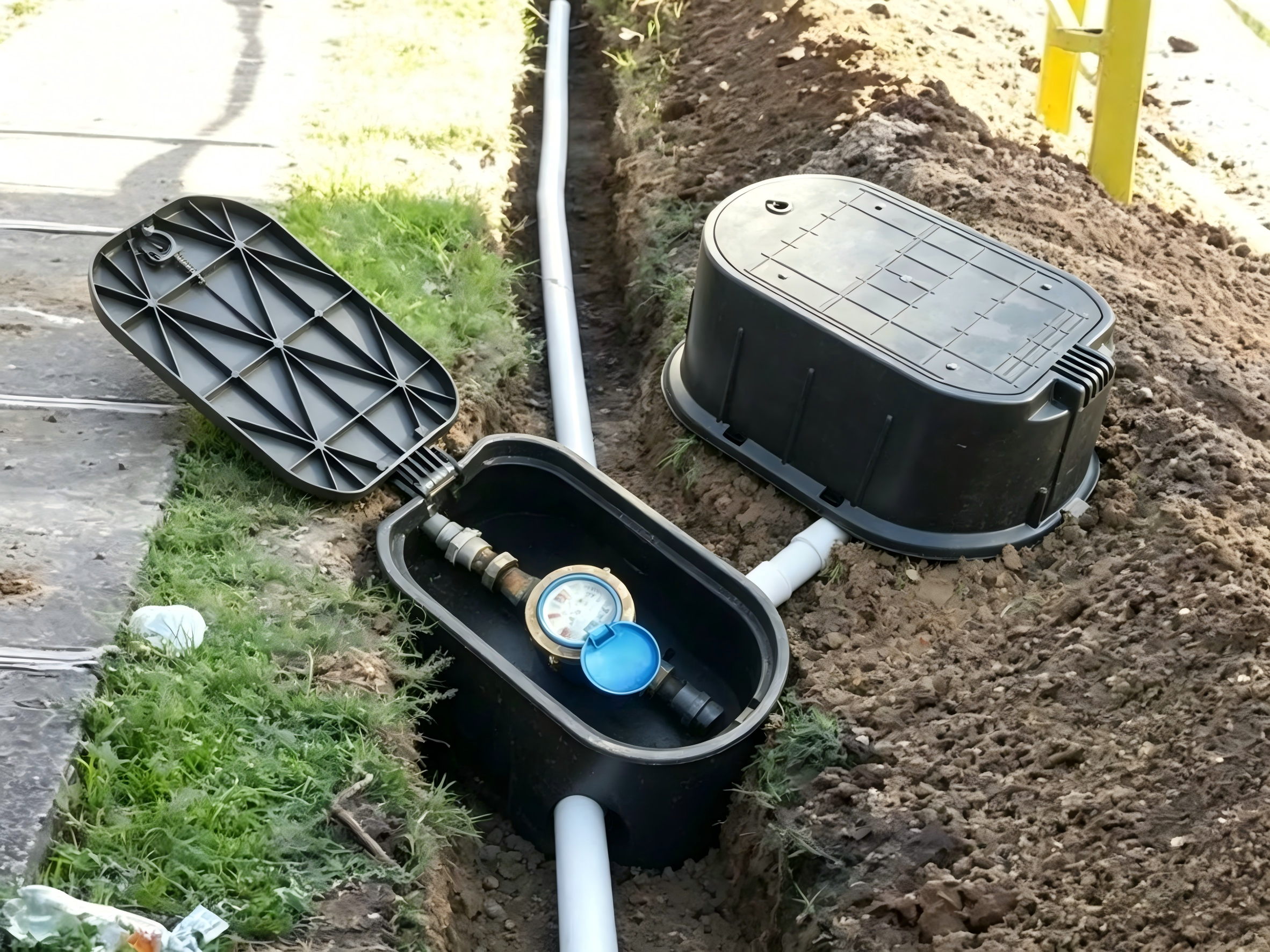
Choosing the correct dimensions prevents catastrophic maintenance headaches. Proper sizing ensures you never have to excavate a system just to replace a simple solenoid.
Enclosures come in several standard geometries. Each serves a specific layout strategy:
Round (7 to 10 inch): These fit tight spaces perfectly. They are ideal for housing single valves, isolating individual drip zones, or protecting a single cleanout pipe.
Rectangular and Jumbo (12x17 inch to 15x22 inch): Contractors use these for multi-valve manifold systems. The elongated shape accommodates parallel pipe runs effortlessly.
Many novice installers mistakenly treat the enclosure like a packing crate. They try to fill it to the brim to save money on buying a second unit. We must completely debunk this myth. Upsizing your enclosure provides essential "elbow room" for future repairs. You need enough negative space to insert a pipe wrench, grip slippery fittings, and maneuver your hands without scraping your knuckles against the plastic walls.
To guarantee viable long-term maintenance, adhere strictly to the golden capacity rule. A standard 14-inch rectangular box should comfortably house no more than three standard residential valves. Pushing the count to four or five creates a tangled mess of wiring and PVC. If one valve fails in an overcrowded housing, you often have to cut all adjacent pipes just to reach the broken component.
Even a premium traffic-rated enclosure will fail rapidly if installed poorly. Proper site preparation dictates the success of your underground infrastructure.
Moisture is the enemy of electrical splices. You must mandate the installation of 3 to 4 inches of clean, compacted gravel beneath the assembly. This rock layer facilitates rapid drainage. It keeps sensitive components elevated out of standing mud. Without gravel, every heavy rainstorm turns your enclosure into a miniature swamp, accelerating corrosion on wire nuts and solenoid contacts.
Installers frequently encounter awkward pipe alignments. A common, disastrous response involves taking a hacksaw and manually cutting the structural housing to fit these strange angles. You must warn your teams against this practice. Modifying the sidewalls immediately voids the load-bearing integrity. A compromised wall will collapse inward the moment a heavy lawnmower rolls over it. Always adjust your pipe trenching to fit the box, never the other way around.
Weight distribution requires careful attention. The base of the box must rest firmly on compacted soil, bricks, or a dedicated baseplate. Never allow the rigid plastic edges to rest directly on your PVC or poly pipes. Surface weight transfers down the sidewalls. If those walls sit on the pipe, the downward pressure acts like a guillotine. It causes severe subterranean fractures that remain invisible until a massive leak surfaces.
Smart installation pairs proper enclosures with modular plumbing techniques. We highly recommend utilizing pre-assembled manifold systems. Secure these units using O-ring swivel unions inside the box. A swivel union allows you to simply untwist a defective component by hand. You achieve tool-free component replacement without ever cutting pipe or dealing with messy PVC cement in a confined space.
Evaluating underground protective housing requires more than picking a color. You must systematically match the load rating to your specific environment. Size up your dimensions to guarantee comfortable maintenance access, and strictly adhere to gravel drainage protocols. Never compromise the structural integrity by resting heavy enclosures directly on fragile plumbing lines. We encourage facility managers, landscape contractors, and homeowners to comprehensively audit their required component count before selecting materials. Planning for proper space today prevents costly, backbreaking excavation tomorrow.
A: No. Standard landscape enclosures use lightweight plastics designed only for pedestrian traffic and light lawn equipment. Driving a car over them will crush the lid and break the pipes below. For driveway or road-adjacent installations, you must use heavily reinforced, traffic-rated or composite models designed to bear vehicular weight.
A: The industry standard requires a minimum of 3 to 4 inches of compacted gravel underneath the base. This specific depth provides adequate void space for rapid water drainage. It prevents mud from rising into the mechanical components and helps keep the entire assembly level over time.
A: A purple lid serves as a critical international safety warning. It explicitly designates the use of recycled, reclaimed, or non-potable water flowing through those specific pipes. This bright color-coding prevents cross-connection errors and warns individuals that the water is completely unsafe for human or animal consumption.
A: You should never bury it completely. The lid must remain flush with the final soil or turf grade. Burying the unit defeats its primary purpose, which is preserving immediate, dig-free access for maintenance. Covering it with soil makes locating emergency shut-offs extremely difficult during a sudden pipe blowout.


