
Views: 0 Author: Site Editor Publish Time: 2026-04-22 Origin: Site


Manhole cover load classes show you which covers can hold different weights. The EN 124 standard puts these covers into groups by how much weight they can take. This makes it easier for you to pick the right cover for your area. You will see classes like A15, B125, C250, D400, E600, and F900. Each class is made for a special use, from people walking to big trucks driving over them. Choosing the right class keeps everyone safe and stops expensive damage.
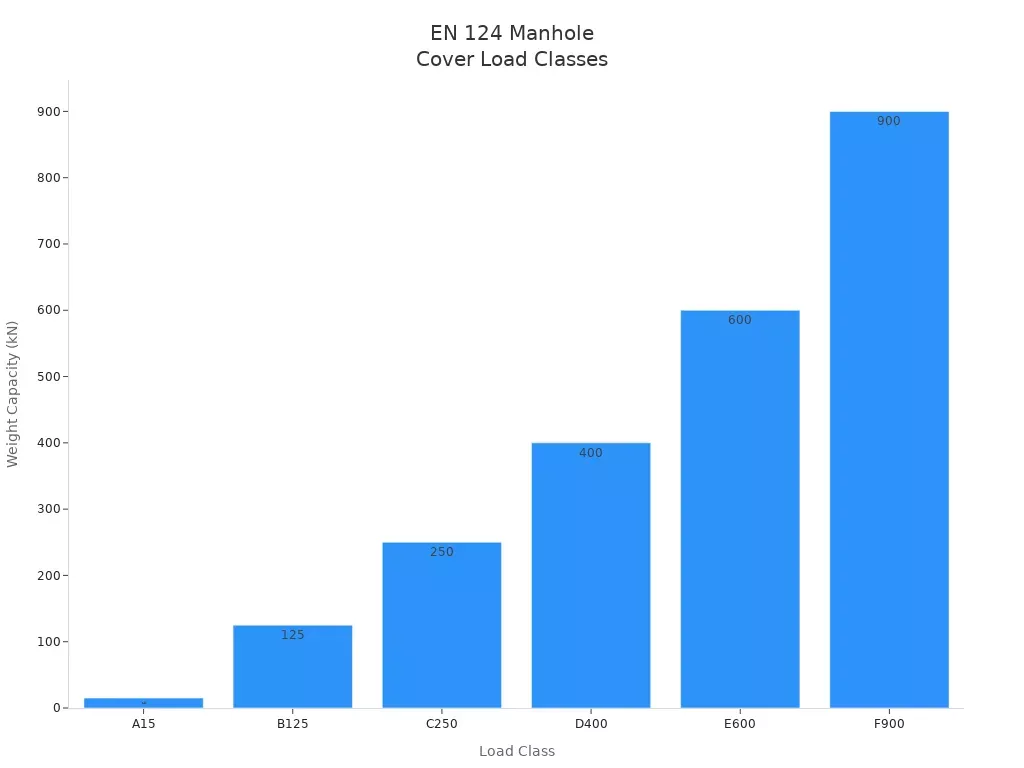
Learn about manhole cover load classes to pick the right cover. Each class fits a certain type of traffic.
Follow the EN 124 standard as your guide. It helps you match cover strength to how it will be used. This keeps people safe.
Use A15 covers where people walk. Use B125 covers where small cars drive. Pick D400 or stronger for busy streets and big trucks.
Think about the weather when choosing covers. Pick covers that do not rust and can handle hot or cold days.
Check manhole covers often for cracks or breaks. This keeps everyone safe and stops expensive fixes.

You need to know about load classification when you choose a manhole cover. This system tells you how much weight a cover can handle. The EN 124 standard uses this system to keep people and property safe. You can see how the system works in these ways:
The EN 124 standard groups manhole covers by their static test load.
It sorts installation areas from Group 1, which is the least demanding, to Group 6, which is the most demanding.
The system gives you clear guidance on the minimum load class you need for each area.
When you use the right load classification, you help prevent accidents and damage. You match the strength of the manhole cover to the place where you install it. This keeps roads, sidewalks, and other spaces safe for everyone.
The EN 124 standard sets the rules for manhole cover load classes. It tells you how to pick the right cover for each situation. The table below shows how EN 124 sorts covers by load capacity and where you might use them:
Load Class | Load Capacity | Typical Application | FRP Cover Type |
|---|---|---|---|
A15 | 15 kN (1.5 Ton) | Gardens, pedestrian walkways | Light-duty FRP |
B125 | 125 kN (12.5 Ton) | Driveways, parking areas | Standard FRP |
D400 | 400 kN (40 Ton) | City roads, truck-access zones | Heavy-duty FRP |
You can see that EN 124 covers many types of manhole cover. It matches each cover to its best use. Other standards exist, but EN 124 focuses on safety and durability. It helps you avoid problems by making sure you use the right cover in the right place. This makes EN 124 a trusted guide for load classification around the world.
A15 manhole covers are used where only light loads happen. They can hold up to 15 kN. This is good for places where people walk or ride bikes. You might see them in gardens or walkways. They are also found in private driveways.
Weight Capacity | Typical Applications |
|---|---|
15 kN | Pedestrian areas, cycle tracks, private driveways |
Material Type | Properties and Impact on Performance |
|---|---|
Chopped Strand Mat (CSM) | Even strength, absorbs resin well, costs less, smooth finish |
Woven Roving (E-Glass) | Strong for its weight, resists corrosion, insulates electricity |
Woven Roving (S-Glass) | Stronger and tougher, good for high loads, costs more |
Resin Systems | Polyester is cheaper, Vinyl Ester resists chemicals, Epoxy is very strong |
Fillers & Additives | Calcium Carbonate and Silica help resist impacts, UV stabilizers protect from sunlight |
A15 covers use materials that are strong and not too expensive. Chopped strand mat gives even strength and a smooth surface. Woven roving makes the cover stronger and helps it last longer. Resin systems protect the cover from chemicals and weather. Fillers like calcium carbonate and UV stabilizers make the cover tougher and protect it from sunlight.
Tip: Pick A15 covers for places with only foot traffic or bikes. Do not use them where cars or trucks go.
B125 manhole covers can hold heavier loads than A15. Use them where cars drive, but not on busy streets. They can handle up to 125 kN. You often see them in driveways or parking lots.
Maximum load rating: 125 kN (12.5 tonnes)
Typical locations: Driveways, parking lots, places with light vehicles
B125 covers are strong and not too expensive. They are good for homes and small businesses. Do not use them on main roads or where heavy trucks drive.
C250 manhole covers can hold up to 250 kN. Pick this class for places with moderate traffic. They work well on roads with few cars, small parking lots, and near highways. They are not for motorways.
C250 covers are stronger than B125 but cost less than heavy-duty covers. You find them in city roads and parking lots. They last longer where cars and small trucks go, but not in busy streets.
Note: C250 covers are strong and not too expensive. They are better than B125 but not as tough as D400 or E600.
D400 manhole covers are made for busy roads. Use them on city streets, highways, and places where trucks and buses drive. They can hold up to 400 kN (40 tonnes).
D400 covers are good for roads and highways.
They meet EN 124 standards for heavy vehicles.
You find them in water, power, and energy networks.
D400 covers are strong and reliable. Pick them for busy roads and places where safety matters most.
E600 manhole covers are for very heavy loads. They can hold up to 60 tonnes. You see them in places like docks, ports, and maritime terminals.
Maximum Load Capacity | Common Industrial Settings |
|---|---|
Up to 60 tonnes | Dockyards, ports, harbors, maritime sites |
E600 covers cost more than D400 covers. They last longer and need fewer repairs. This makes them a smart choice for tough places. Use E600 covers where forklifts, cranes, or other heavy machines work.
Tip: E600 covers are best for industrial areas. Strength and durability matter more than cost.
F900 manhole covers are the strongest. They can hold up to 900 kN (90 tonnes). You find them in places with the heaviest loads, like airport runways, busy industrial zones, and military sites.
Load Rating | Suitable Facilities |
|---|---|
F900 (900 kN) | Airport runways, busy industrial areas, MOD sites, solid-wheeled vehicles |
Use F900 covers in airports, busy industrial areas, and MOD sites.
These covers use strong materials like ductile iron or steel-reinforced composites.
They have double seals to keep water out and special coatings to stop rust.
Rib-reinforced bases and heavy-duty structures mean less maintenance.
Note: F900 covers are made for the toughest jobs. Check their coatings and seals to keep them working well.
Now you know how each manhole cover load class fits different needs. You can pick the right cover for each place, from gardens to airports. This keeps people safe and protects your investment.
The table below helps you compare manhole cover load classes. It shows how much weight each class can hold and where to use them. This makes it easier to pick the right manhole cover for your job.
Load Class | Weight Capacity | Typical Applications |
|---|---|---|
A15 | 1.5 Ton | Greenbelts, sidewalks, residential gardens, pedestrian-only areas |
B125 | 12.5 Ton | Car parks, private driveways, slow-speed access roads |
C250 | 25 Ton | Curbside gutters, light traffic roads, small parking lots |
D400 | 40 Ton | Urban roadways, industrial zones, main streets, freight terminals |
E600 | 60 Ton | Docks, ports, heavy industrial sites |
F900 | 90 Ton | Airport runways, military bases, heavy-duty transport areas |
Tip: Always pick a manhole cover that matches the traffic and weight in your area. This keeps everyone safe and saves money by stopping damage.
Each manhole cover class is made for a certain place. Here is an easy guide to help you know where to use each one:
Pedestrian Load Class: Use these covers on sidewalks, footpaths, and gardens. They are best for places where only people walk.
Light Duty Load Class: Pick these for car parks or private driveways. They are good for cars but not for big trucks.
Medium Duty Load Class: Use these on city roads or in business areas. They can handle more cars and small trucks.
Heavy Duty Load Class: Choose these for highways, busy roads, and big industrial areas. They are strong enough for the heaviest vehicles.
Cover load ratings help you choose the right manhole cover for each place. Using the correct class keeps people safe and stops damage. This also means you will need fewer repairs and spend less money over time.
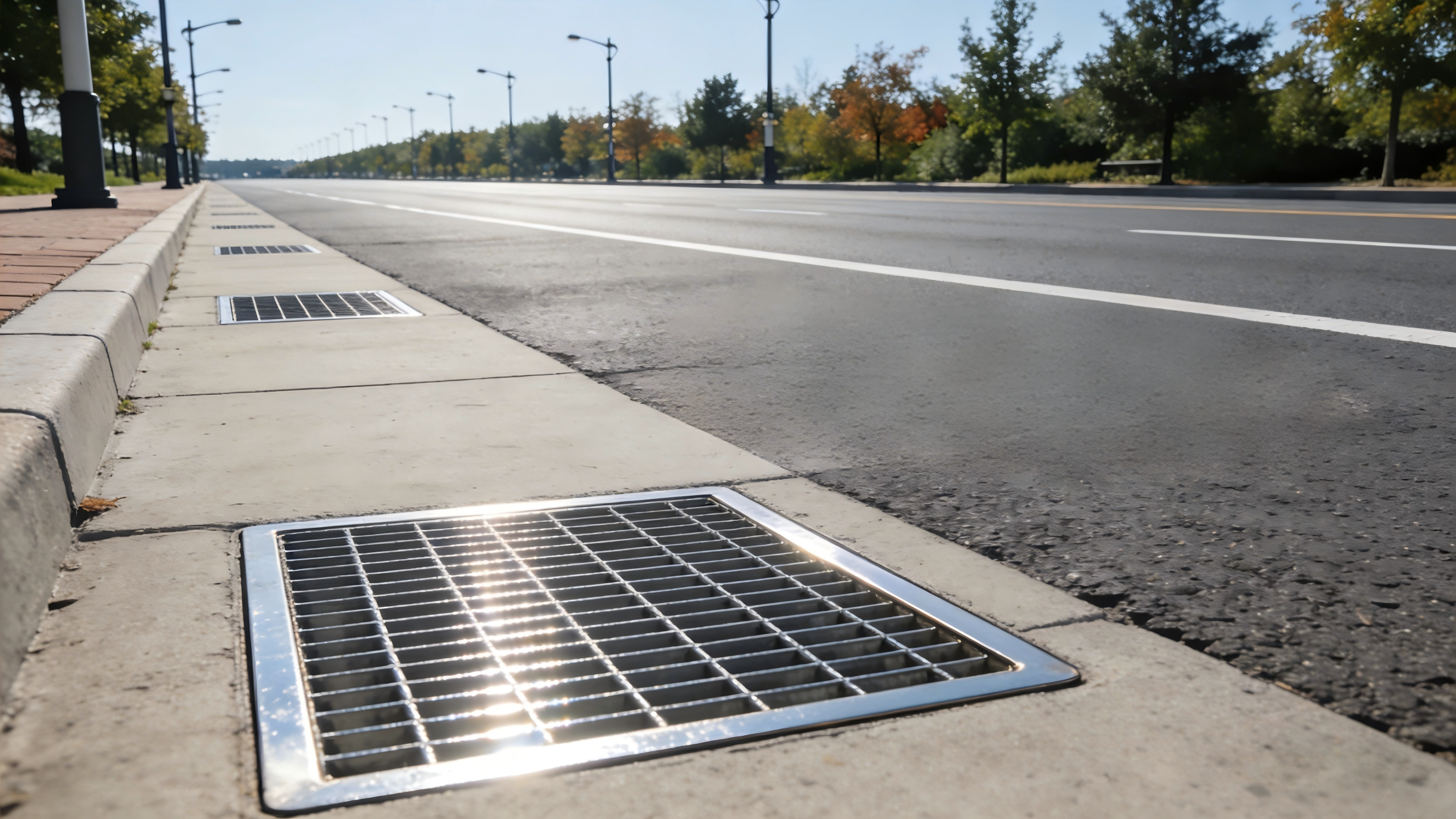
When you pick a manhole cover, you need to think about a few things. This helps keep people safe and makes the cover last longer. First, look at what kind of traffic goes over the cover. If there are heavy trucks or buses, you need a stronger cover. If it is just for sidewalks or gardens, a lighter cover is fine. Always choose a cover that matches how much weight will be on it.
You also need to think about the weather and the area. If there is a lot of water or chemicals, pick a cover that does not rust. Composite or stainless steel covers work well in these places. If you live where it gets very hot or cold, get a cover that can handle those temperatures. Ductile iron is good for cold places. Composite covers are better for hot places.
Noise can be a problem in busy cities. Some covers have rubber seals or special materials to make them quieter. This helps keep the area peaceful and safe for everyone.
Here are some important things to remember:
Covers that do not rust are good for tough places.
Covers that can handle heat or cold last longer.
Quiet covers make city life better.
Covers that do not slip help stop accidents.
You can use load classes to help you pick the right cover and rim. Always check the EN 124 standard and aashto rules. These rules help you choose the best cover for each place. The aashto m306 rule gives extra help for covers used on roads in the United States.
Here are some steps to follow:
Look at the traffic: Is it just people, cars, or big trucks?
Pick the right load class: Use A15 for people, B125 for cars, and D400 or higher for trucks and buses.
Check local rules: Many cities want covers that meet aashto or aashto m306 rules.
Think about safety: Choose covers that do not slip and have locks.
Think about cost: Strong covers may cost more but save money because they last longer.
Tip: Knowing how much traffic and what kind of weather helps you pick a cover that is safe and lasts a long time.
The table below shows how different kinds of traffic change what cover you need:
Traffic Scenario | Load Impact |
|---|---|
Occasional vehicle crossing | Moderate stress |
Continuous daily traffic | Fatigue stress |
Repeated heavy axle loads | High structural demand |
You should always follow aashto and EN 124 rules. These rules help keep people safe and make sure the covers last a long time.

Picking the right cover keeps people safe and makes covers last longer:
Each class is made for a certain kind of traffic and place.
The right cover works better and needs fewer fixes.
Safety and reliability get better when you use the right cover.
If you are not sure, look at trusted rules or ask someone who knows. For example, National Highways CD 534 gives clear rules for covers used on roads:
Standard/Specification | Description |
|---|---|
National Highways CD 534 | Rules for manhole covers and gully grates on roads (version 0.2.0, 2025). |
Minimum Flange Area | 190,000 mm² for D400, 285,000 mm² for E600 covers. |
Frame Depth and Weight | 150 mm frame depth for motorways and trunk roads. |
Skid Resistance | WRc test method for raised chequer patterns. |
Traffic Requirements | E600 covers for roads with high light goods vehicle traffic. |
Tip: Always pick a cover that matches the traffic and place. If you are unsure, check the newest rules or ask an expert.
EN 124 gives you a clear guide for choosing manhole covers. This standard uses strict testing to check strength and safety. You can trust covers with this mark because they meet important rules for public and private spaces.
You should look at the type of traffic and weight in your area. Testing helps you match the right class to your needs. Always check the EN 124 label and ask for testing results before you buy a cover.
Testing shows you if a manhole cover can handle real-life stress. You get proof that the cover will not break under heavy loads. Reliable testing means you keep people safe and avoid costly repairs.
Yes, you can use a stronger cover. Testing proves that higher classes work in lighter areas. You may spend more, but you get extra safety and longer life for your manhole cover.
You should inspect covers every year. Testing during inspections finds cracks or damage early. Replace covers if you see signs of wear or if they fail testing. This keeps your area safe and up to code.


