
Views: 0 Author: Site Editor Publish Time: 2026-04-15 Origin: Site


You want the best manhole covers for your project, and it's essential to consider SMC vs FRP vs GRP. Each of these materials has its own strengths. SMC works well in cities with lots of cars, while FRP and GRP are strong choices for factories or urban sites. Buyers care about how long the covers last and how much weight they can hold. It's important to note that the rules for manhole covers can change.
The material you pick, whether it's SMC, FRP, or GRP, affects the value you get over time, not just the initial cost.
Safety regulations and environmental standards are continually evolving.
The total cost of ownership for a cover is becoming increasingly important.
Pick the right manhole cover for your project. SMC works well for heavy traffic. FRP and GRP are good for lighter loads.
Think about the total cost, not just the first price. SMC covers can cost more at first. But they save money later because they last longer.
Always check the rules in your area before you buy. Following EN 124 or ISO 9001 means the cover is safe and good quality.
Check how heavy the covers are and how easy they are to move. FRP and GRP are lighter, so they are easier to install. SMC is strong and good for busy roads.
Find covers that you can change to fit your design. Many covers come in different sizes and colors for your project.
When you compare smc vs frp vs grp, you see that each material fits different needs. If you work in a city with lots of cars and trucks, you want a cover that can handle heavy loads. Industry experts say cast iron is still the top choice for the busiest streets because it is very strong and lasts a long time. However, smc vs frp vs grp covers are becoming more popular because they are lighter, easier to install, and do not rust.
For most urban roads, smc covers work well. They can handle heavy traffic and resist chemicals and weather. If you need covers for factories or places with lots of machines, frp and grp covers are good choices. These covers are strong, lightweight, and do not rust. You can use them in places where you want easy handling and long life. In parks, sidewalks, or areas with less traffic, smc vs frp vs grp covers all work, but you might choose based on price or design.
You should care about these differences because the right cover keeps people safe and saves money over time. The wrong choice can lead to damage, safety risks, or extra costs for repairs.
Tip: Always check the rules in your city or industry before you buy. Some places have strict standards for manhole covers.
Here is a quick look at the average costs for smc vs frp vs grp covers in major markets:
Product Name | Min. MOQ | Price Range (USD) | Key Customizable Features | Country/Region |
|---|---|---|---|---|
Custom Design Beautiful Appearance Plastic SMC Composite EN124 Standard | 10 sets | $8 - 50 | Full OEM/ODM, Design | CN |
Frp Manhole Cover 40x40 Square SMC BMC Plastic Composite | 100 sets | $20 - 50 | Size (40x40), Material (SMC/BMC) | CN |
Industrial Grade Heavy Duty Resin Manhole Cover | 10 pieces | $14.99 - 19.99 | Locking Mechanism | CN |
Factory Direct Customized High Quality Square BMC SMC FRP Manhole Cover | 200 pieces | $15.90 - 19.90 | Factory Direct | CN |
Manufactured Hot Sale Square & Round Anti-Theft FRP/BMC/SMC Composite | 2 pieces | $16.55 - 19.85 | Shape, Anti-Theft | CN |
Resin Manhole Cover Fiberglass FRP GRP Bmc | 10 pieces | $1 - 10 | Multiple Size Options | CN |
You can see that prices for smc vs frp vs grp covers overlap, but grp covers often cost less for basic options. Custom features or heavy-duty designs can raise the price.
When you look at smc vs frp vs grp, you notice big differences in how they perform. The table below shows how each type stands up to weight and weather:
Type | Load-Bearing Capacity | Weather Resistance |
|---|---|---|
SMC | High, withstands heavy traffic loads | Resistant to rust, chemicals, and extreme weather |
FRP | Exceptional mechanical strength, lightweight | 100% rustproof, immune to electrochemical degradation |
SMC covers can handle heavy loads, so you can use them on busy roads. They do not rust and can stand up to harsh weather. FRP covers are even lighter and have great strength. They do not rust at all and do not break down from chemicals or water. GRP covers share many of these strengths because they use glass fibers like frp.
You should think about these differences when you choose a cover. If you want something easy to lift and install, frp or grp is a smart pick. If you need a cover for a place with lots of cars, smc is a strong choice. When you compare smc vs frp vs grp, always match the cover to the job. This helps you get the best value and keeps your site safe.
SMC is used in many new manhole covers. SMC means Sheet Molding Compound. This material is a composite. It is made from glass fiber, calcium carbonate, trays, unsaturated polyester resin, and special additives. SMC is very strong and holds heavy weight. You will see SMC covers on busy streets with lots of cars.
Here is a table to help you learn the basics about SMC, FRP, and GRP:
Material | Definition | Basic Composition |
|---|---|---|
SMC | A composite material used for manhole covers, known for its higher load-bearing strength compared to BMC. | Glass fiber, calcium carbonate, trays, unsaturated polyester resin, and additives. |
FRP | Fiberglass-Reinforced Plastics, a composite material combining thermosetting resin and glass fiber. | Thermosetting resin and glass fiber. |
GRP | Glass-Reinforced Thermosetting Plastics, similar to FRP, often associated with European standards. | Thermosetting resin and glass fiber. |
SMC covers are made by pressing layers together with heat and pressure. This makes a cover that is strong and smooth. It does not rust and can handle bad weather.
Some people say fiber reinforced plastics or glassfiber reinforced plastics. These words usually mean the same thing. FRP stands for Fiberglass-Reinforced Plastics. GRP stands for Glass-Reinforced Plastics. Both use thermosetting resin and glass fiber. The main difference is just the name. In Europe, people say GRP more. In other places, you might hear FRP.
FRP and GRP covers are made in a few ways:
Resin transfer molding
Hand lay-up process
Molding process
These ways mix glass fibers with resin. The mix goes into a mold and gets hard. FRP and GRP covers are light, strong, and do not rust. You can use them in many places like factories or sidewalks.
Note: Always check which type is best for your project. The right choice depends on how much weight, the weather, and the rules in your area.
You might wonder how smc manhole covers are made. The process uses sheet molded compound. This mixes glass fibers with resin. Factories follow careful steps to make each cover. They want every cover to be high quality. Here is a table that shows the main steps in making smc manhole covers:
Step | Description |
|---|---|
Raw Material Inspection | Ensures quality of materials before production. |
SMC Sheet Preparation | Prepares the sheets for molding. |
Sheet Material Cutting | Cuts and weighs the sheets to required specifications. |
High Temperature Compression | Molds the sheets under high temperature to form the covers. |
Loading Class Inspection | Checks the load-bearing capacity of the covers. |
Manhole Cover Packaging | Packages the finished products for shipping. |
Shipping and Transportation | Ensures safe delivery to customers. |
This process makes strong and dependable manhole covers.
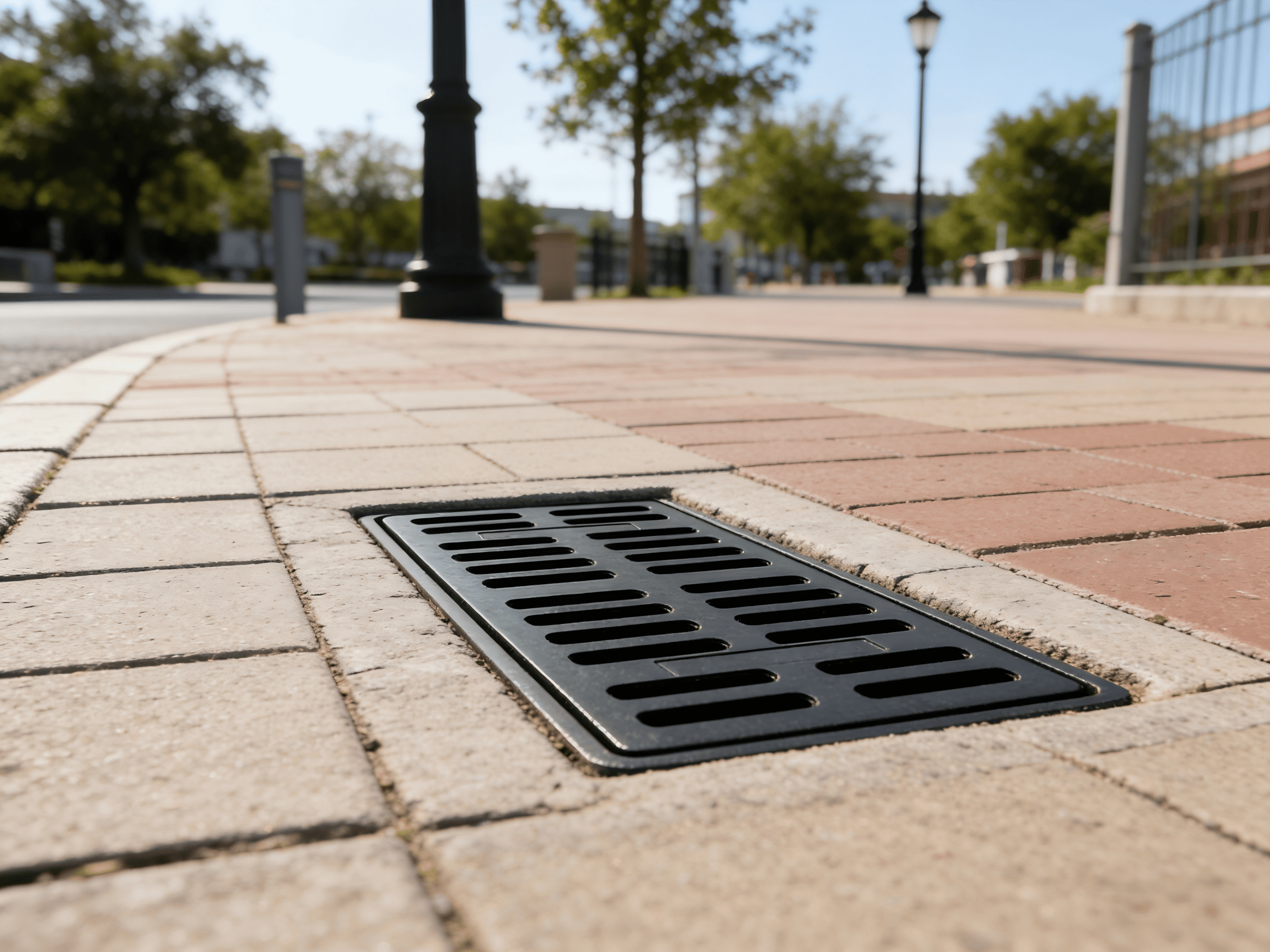
SMC gives you many good features. The material is known for being tough and lasting a long time. The table below lists the main properties that make sheet molded compound a great pick for manhole covers:
Property | Description |
|---|---|
Strength | High compressive, flexural, and impact-resistant strength, ensuring durability and long service life. |
Corrosion Resistance | Resistant to corrosive environments, including those found in sewers and sewage systems. |
Weight | Lighter than cast iron, making it easier to transport, install, and repair. |
Temperature Resistance | Can function in extreme temperatures ranging from -50℃ to +300℃. |
Theft Resistance | Has zero scrap value, reducing the risk of theft compared to metal manhole covers. |
You can see that smc is safe, works well, and is easy to use.
You should check if your smc manhole covers meet the right standards. Many cities want covers to pass EN124 or other tests. These rules check if the covers are strong, safe, and last a long time. Following these rules helps you avoid safety problems and extra costs.
Tip: Always ask your supplier for test certificates before you buy composite manhole covers.
You need to look at the good and bad sides before picking smc. Here is a quick list:
Pros:
Very strong and lasts a long time
Light, so it is easy to move
Does not rust or corrode
No scrap value, so less chance of theft
Works in very hot or cold places
Cons:
May cost more than simple metal covers at first
Not as strong as cast iron for the heaviest loads
You can use smc manhole covers in many places. Common uses are:
Roads and highways with lots of cars and trucks
Parks and green areas where looks and strength matter
City projects for streets and sidewalks
Factories or places with electric systems, since smc does not conduct electricity
SMC manhole covers are a smart choice for busy roads or quiet parks. They work well in many different places.
You might wonder how frp and grp manhole covers are different. Both are composite manhole covers. FRP means fiber reinforced plastic. GRP stands for glass reinforced plastic. Most of the time, these words mean the same thing. Both use a mix of polymer resin and glass fibers. This mix makes the covers strong and much lighter than steel or cast iron. The table below shows how frp and grp are different from steel covers:
Feature | FRP/GRP (Composite) | Steel (Traditional) |
|---|---|---|
Composition | Polymer resin with glass fiber | Galvanized steel or cast iron |
Corrosion Resistance | Does not rust | Prone to rust |
Weight | About one-fourth the weight of steel | Heavy |
Maintenance | Minimal | Needs regular care |
Theft Risk | Zero scrap value | High scrap value |
Load Handling | Handles high loads | Strong but can degrade |
Installation | Quick and easy | Needs heavy equipment |
Lifespan | 20+ years, little wear | Can corrode over time |
Factories follow careful steps to make these covers. First, they pick strong raw materials. Next, workers get the molds ready and add a gel coat for texture. Then, they put down layers of fiberglass and pour in resin for strength. At the end, each cover is tested for load and checked for quality. This makes sure the covers meet rules like EN 124 and ISO 9001.
FRP and grp covers have many good features:
They are light, so you can move them easily.
They do not rust or break down in chemicals.
They are strong for their size.
They last a long time and do not crack much.
They can handle bad weather and hard hits.
You should check if your covers meet important rules. Look for EN 124 in Europe, IS 17206:2019 in India, and ISO 9001 around the world. Some covers also have certificates from SGS or TUV. These rules help you know your covers are safe and good quality.
When you pick grp or frp covers, you get many good things:
They are strong for their weight.
They do not rust or corrode.
You can choose many designs and install them easily.
Metal covers are heavier and need more care. SMC covers are also strong and last long. But grp covers often give you more choices for design.
You can use these covers in many places:
City roads, sidewalks, and utility vaults
Power and telecom systems that need covers that do not conduct electricity
Sewage and drainage systems, because they do not rust
Industrial plants and chemical factories
These covers work well in busy cities and tough factories. You will see them where safety, strength, and long life are important.
You want manhole covers that last. SMC covers give you high strength and can handle heavy traffic. FRP and GRP covers also offer strong performance. They resist rust and chemicals. You can use them in places with water or harsh weather. SMC covers work well on busy roads. FRP and GRP covers fit well in factories and parks.
Feature | SMC | FRP | GRP |
|---|---|---|---|
Load Strength | High | High | High |
Rust Resistance | Yes | Yes | Yes |
Impact Resistance | Good | Very Good | Very Good |
Weight | Light | Very Light | Very Light |
You need to check if your covers meet local rules. SMC, FRP, and GRP covers often follow EN 124 or ISO 9001. These standards show that the covers are safe. Always ask your supplier for test reports. This helps you avoid problems later.
You want to save money over time. SMC covers may cost more at first, but they last long. FRP and GRP covers often cost less and need little care. You do not need to paint or repair them often. You can move and install them easily because they are light.
You should match the cover to the job. SMC covers work best on roads with many cars. FRP and GRP covers fit well in parks, sidewalks, and factories. You can use all three types in places that need covers that do not rust.
You should think about where you will use the cover. Check the weight it must hold. Look at the weather and chemicals in the area. Ask for covers that meet standards. Talk to your supplier about your needs. You can choose SMC for busy streets. You can pick FRP or GRP for lighter traffic or special designs.
Tip: Make a list of your needs before you buy. This helps you pick the best cover for your project.
You need a manhole cover that is safe and lasts long. SMC, FRP, and GRP covers are strong and good for your project. The table below shows why these covers are great for using a long time:
Feature | Benefit |
|---|---|
Corrosion Resistance | Good for wet or salty places |
Durability | Lasts many years and needs little care |
Safety Features | Stops slipping and does not carry electricity |
Cost-Effective | Saves money on moving and fixing |
Customizable | Comes in many sizes and colors |
Versatility | Can be used on roads, in plants, or telecom |
Try not to make mistakes like picking the wrong type or forgetting about weight. Always check the rules and talk to your supplier. This helps you pick the best cover for your work.
You will find that SMC uses sheet molding compound, while FRP and GRP use fiberglass and resin. SMC works best for heavy traffic. FRP and GRP are lighter and resist rust. GRP is just another name for FRP in some regions.
Yes, you can use these covers safely on roads. Always check the load rating. SMC covers handle heavy vehicles. FRP and GRP work well for lighter traffic or sidewalks. Ask your supplier for test certificates.
You should list your needs. Think about load, location, and weather. Check local rules. Compare SMC, FRP, and GRP features. Talk to your supplier for advice.
Tip: Always ask for EN 124 or ISO 9001 certificates.
You will spend little time on maintenance. These covers do not rust or corrode. You can clean them with water. They last many years with little care.


