
Views: 0 Author: Site Editor Publish Time: 2026-09-20 Origin: Site


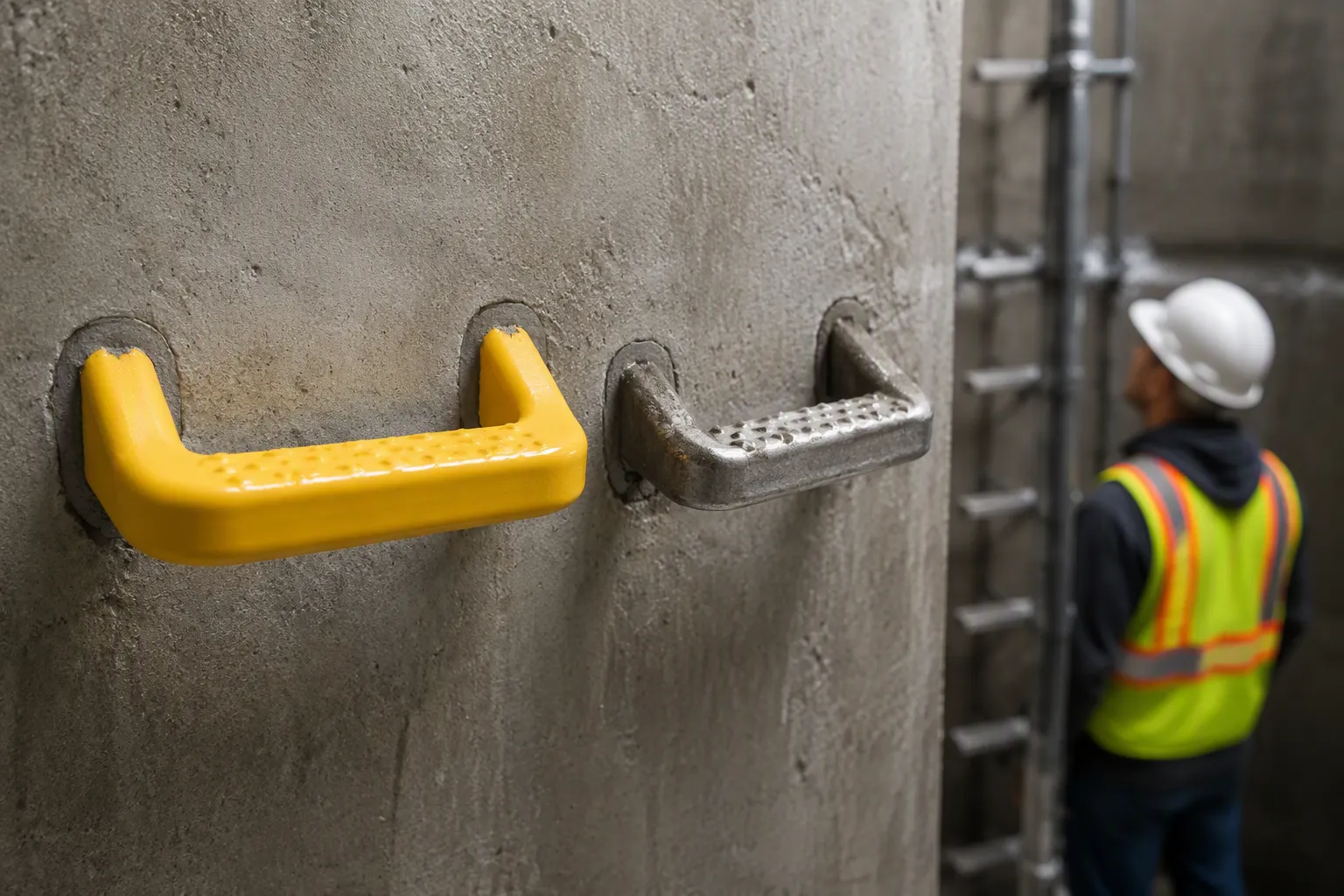
For most underground access jobs, PP-Coated Steel vs Stainless Steel Manhole Steps offer a good balance of rust protection, safety, and price. Stainless steel works better in harsh chemical areas, like where there is a lot of chlorine or salt, or where coatings might break down. So ask yourself: is your site exposed to strong chemicals or very high or low temperatures? Your answer will help you choose between these two materials when comparing PP-Coated Steel vs Stainless Steel Manhole Steps. The main difference is between strength against impacts and resistance to chemicals. PP-coated steel rungs can take physical hits well in regular city sewer systems. Stainless steel steps can handle chemical damage but cost more. You will find the best choice for your manhole project by thinking about these factors.
PP-coated steel manhole steps are the best choice for normal sewers and utility tunnels.
Use 316 stainless steel steps in places near the coast or in chemical plants.
Both types of steps meet OSHA rules for preventing slips when they are made the right way.
Pick PP-coated steel because it costs less at first and is easier to install.
Pick the right material for your site's conditions to prevent early replacements and added costs.
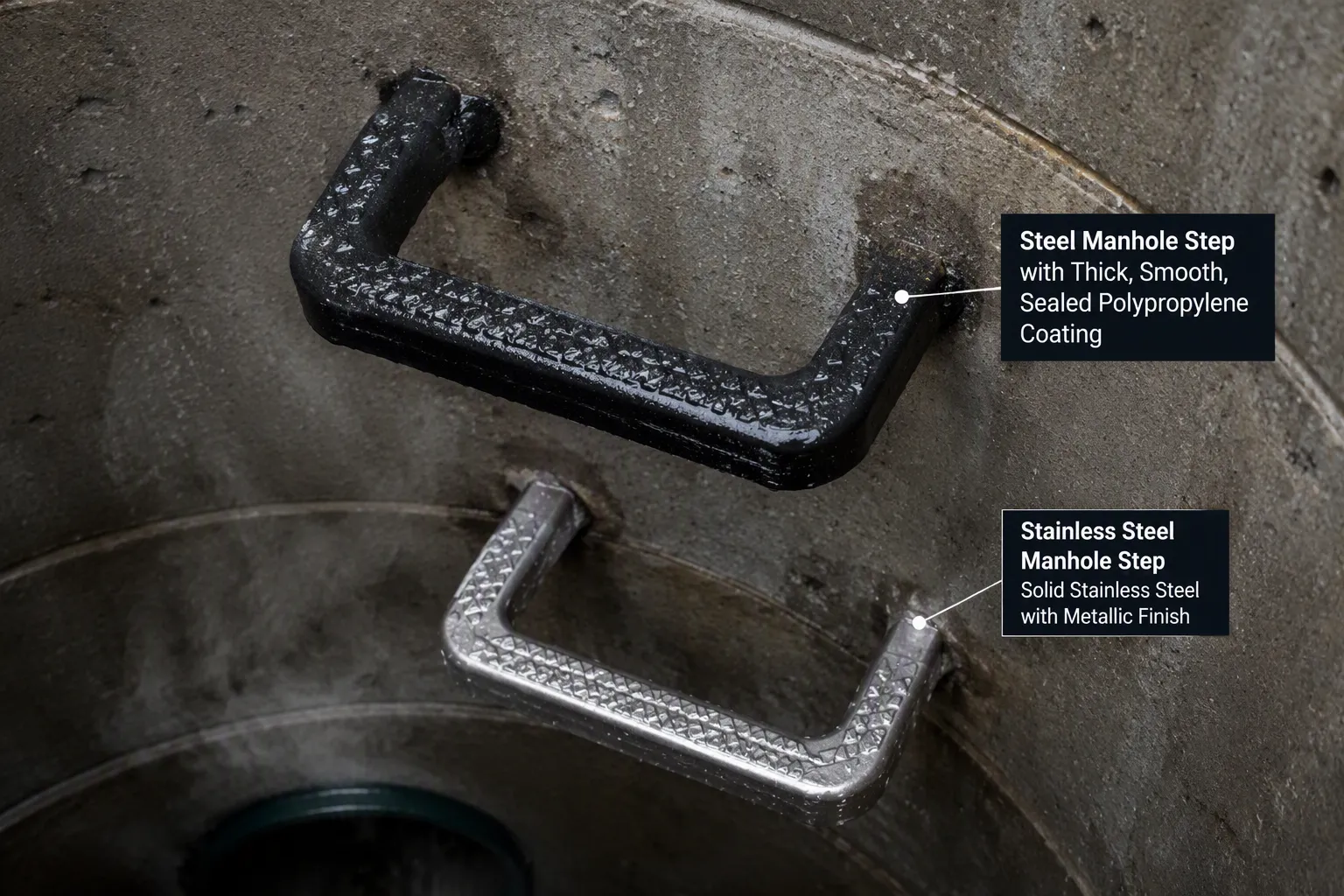
How well a material fights rust often decides which one wins for your underground project. You need steps that can handle wetness, gases, and chemicals without breaking down. PP-coated steel and stainless steel solve this problem in different ways. Each one does best in certain conditions. What you pick depends on what is inside your manhole.
The PP coating forms a sealed barrier around a steel core. This polypropylene-encapsulated steel design keeps moisture and corrosive gases from reaching the metal inside. The coating holds up across a wide temperature range. This means you can use these rungs in freezing climates or hot utility tunnels without worrying about the coating failing. The coating bonds to the steel during manufacturing, which creates a tight seal.
Normal sewer environments have hydrogen sulfide gas and moisture. These things attack bare steel fast. The polypropylene layer stands up to these common threats well. You get the strength of a steel core with the protective shell of a plastic layer. This mix works well for most city applications.
The coating also adds grip and electrical insulation. Workers feel safer when climbing in wet conditions. The plastic surface does not carry electricity, which adds safety near electrical equipment. These manhole steps need very little upkeep. You put them in and they keep working for years without any treatment.
The main problem is physical damage. A sharp hit can cut through the coating. Once the steel is exposed, the core starts to rust in a wet place. Handling them the right way during installation stops this problem. You should check the coating before putting them in place. Damaged ones must be replaced to keep the protective barrier.
For most utility manholes, pp-coated steel gives reliable performance. The coating thickness ensures long-term protection against normal sewer gases and moisture. You get a rust-resistant solution without the higher cost of special alloys. This design is the standard choice for most infrastructure projects.
This material depends on alloy content instead of a coating. Different grades give different levels of rust protection. 304 and 316 are the most common picks for manhole ladder rungs. Knowing what they are made of helps you choose the right grade.
Element |
304 (%) |
316 (%) |
|---|---|---|
Chromium |
18–20 |
16–18 |
Nickel |
8–10.5 |
10–14 |
Molybdenum |
– |
2–3 |
The table shows one key difference. 304 has 18% chromium and 8% nickel. 316 has a bit less chromium but adds 10% nickel and 2% molybdenum. This molybdenum addition changes everything for places with chlorides.
Molybdenum greatly improves protection against pitting damage caused by chlorides. Chlorides show up in saltwater, de-icing salts, and some industrial chemicals. 304 can pit and rust when exposed to these substances over time. 316 resists much better under the same conditions. This makes 316 the preferred grade for coastal infrastructure and chemical plants.
You pay more for 316 than for 304. The added nickel and molybdenum raise the material cost. However, the longer service life in harsh conditions often makes up for the expense. Many projects specify 316 when the environment has brine or process chemicals.
This alloy group does not have a coating that can chip or peel. The protective qualities come from the metal itself all through the entire step. This makes them reliable in places where plastic coatings might break down. High temperatures also favor these alloys since there is no coating to fail.
The trade-off involves weight and cost. These rungs weigh more than PP-coated options. They also cost more upfront. For harsh chemical exposure, these factors become less important than long-term performance.
Choosing between these materials means matching the environment to the protection method. PP coatings handle normal sewer conditions well. Alloys with molybdenum handle chlorides and high heat better. Your site conditions determine the right approach for this application. Check your specific chemical exposure levels before you make your selection.
Durability decides how long your access points last underground. You need steps that survive daily wear, moisture, and physical hits. The pp-coated steel vs stainless steel manhole steps comparison comes down to two different paths. One relies on a protective shell. The other depends on the metal itself.
The polypropylene coating gives pp-coated steel a clear edge in impact strength. This material takes hits without cracking or denting. A dropped tool or a heavy boot hits the surface, and the plastic layer bends. The steel core stays safe underneath. You get a strong step that handles rough treatment in busy city systems.
Weight matters just as much for installation. PP-coated steel weighs less than solid stainless options. One worker can carry several rungs down a ladder without getting tired. This lighter weight speeds up the job and lowers injury risk. You also save on shipping and handling costs. The lower mass makes these steps easier to place inside tight manhole openings.
Stainless steel brings great strength to every manhole ladder rungs application. The solid alloy construction carries heavy loads without bending. You can trust these rungs to hold workers and equipment in tough industrial settings. The material also resists fatigue over thousands of climbing cycles.
This strength comes with a trade-off. Stainless steel steps weigh more than PP-coated versions. The added mass makes handling and installation harder. However, the long service life often makes up for the extra effort. These permanent manhole steps can last for decades in the right environment. Your infrastructure investment pays off through fewer replacements and lower long-term maintenance.
Both materials deliver solid performance. Your choice depends on the specific demands of your site.
When you go down into a manhole, your safety depends on how well the rungs grip your boots. OSHA rule 1910.24(b)(2)(i) says manhole steps must have a surface that is corrugated, knurled, or dimpled to reduce slipping. The rule also says the step shape must stop your foot from sliding off. Both types of steps meet these rules, but they do it in different ways. Knowing these differences helps you pick the safest one for your project.
The plastic coating makes a surface that does not slip easily. During manufacturing, the coating forms a bumpy grip pattern. This surface meets OSHA rules for bumpy or dimpled designs. The plastic adds natural friction even when it is wet. You get good grip in the damp conditions you find in most utility manholes.
These anti-slip designs make underground work safer. The coating stops algae and slime from growing. Algae and slime can make metal steps slippery. The plastic surface prevents this buildup, so the grip stays strong for years. These ladder rungs work well across a wide temperature range. This steady grip makes PP-coated steel a top pick for city infrastructure projects.
This metal needs special surface treatments to meet safety standards. Manufacturers add knurling, dimples, or raised patterns to create grip. Without these treatments, smooth metal becomes slippery when it is wet. You must check that the product you choose has a rough surface that meets OSHA 1910.24(b)(2)(i) before you put it in.
Keeping these rungs safe takes regular care. The grip pattern can wear down over time. Grease, oil, or leftover chemicals can lower the friction. You need to clean them often so the grip stays good. ANSI A1264.2-2001 gives guidelines for stopping people from slipping. A friction value of 0.5 is recommended. With the right surface treatment, this material can reach that value. You must check the surface condition regularly.
For coastal areas or chemical plants, this metal is still the right choice. It resists rust in ways that coatings cannot. But you must plan to inspect and clean it often. Your maintenance schedule directly affects how safe the steps stay over their whole service life.
You will see that pp-coated steel rungs go in fast at most job sites. They weigh less, so one worker can carry and set several pieces without getting tired. This helps in tight manhole openings where heavy equipment cannot fit. You can cut these steps to length with normal hand tools. The steel core takes drilled holes without special bits. This comes in handy when old infrastructure has strange sizes or broken mounting points.
The coating needs some care during field work. You must not drag the steps across rough concrete. A sharp edge can cut the plastic shell and show the core. Touch up any small cuts with a matching coating repair kit before you set them in place. This easy habit protects your investment and makes it last longer. Your crew does not need welding gear or hot work permits for normal installations.
Stainless steel manhole ladder rungs need different installation methods. You can weld these steps right onto steel frames or set them in concrete. Welding makes a permanent bond that stands up to vibration and heavy loads. But the heat from welding can lower rust protection near the weld zone. You must clean and passivate the affected area afterward to bring back the protective oxide layer.
Repair work on stainless steel steps is also different from coated options. A bent rung can sometimes be straightened with hydraulic tools. Cracked or badly damaged pieces need to be replaced. You cannot patch a stainless step the way you touch up a coating. This fact makes spare part planning important for your maintenance schedule. Keep a few replacement rungs on hand for city infrastructure projects. That way, your crew can swap out a damaged step during routine inspections without waiting for orders.
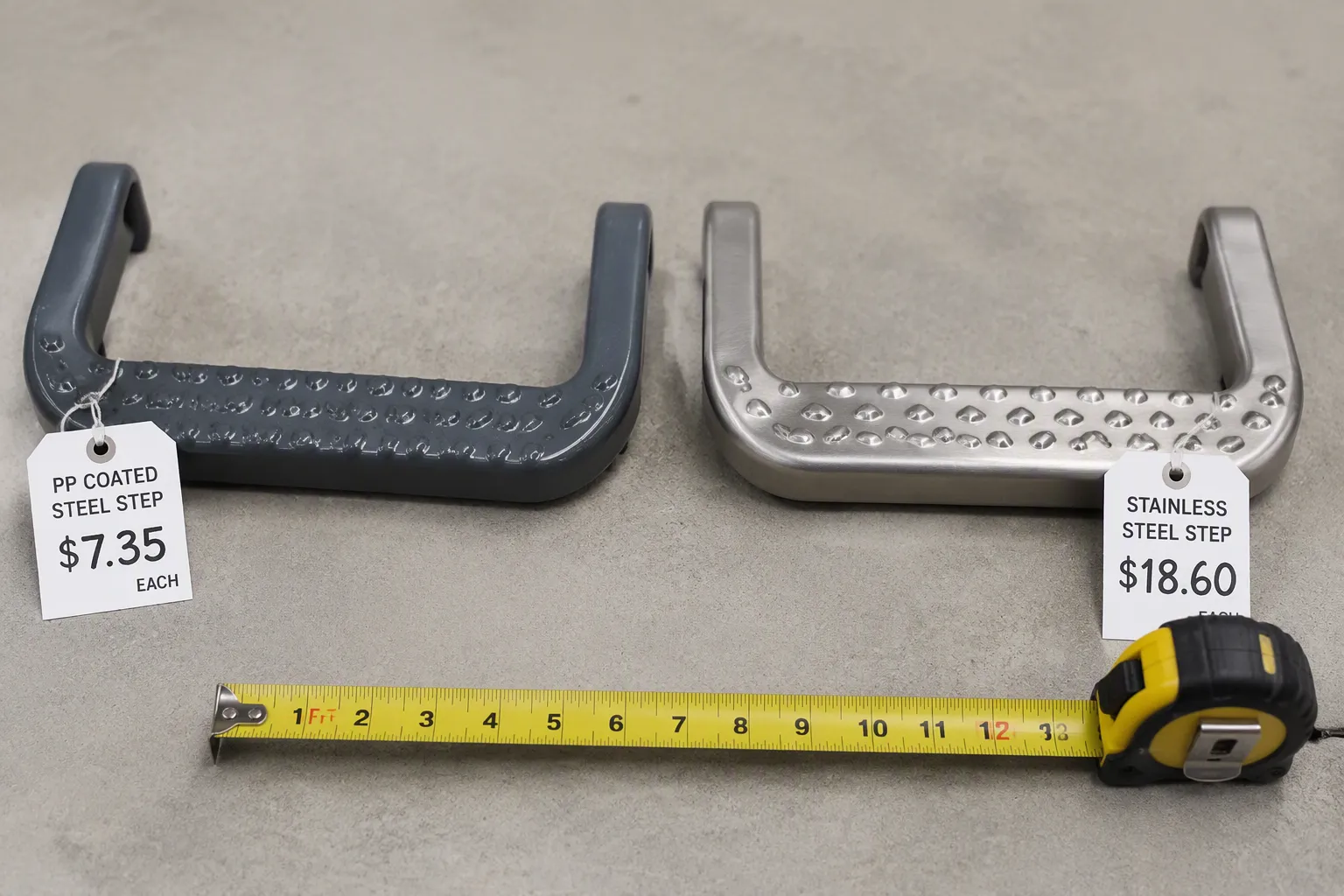
When you compare pp-coated steel vs stainless steel manhole steps, the price gap is easy to see. Your pick affects your budget right away and down the road. You need to check both the money you spend at the start and the costs you pay over time.
PP-coated steel costs less to buy at the start. The core is made of regular carbon steel, and the polypropylene coating adds only a little to the price. You get a product that works well for most city projects without paying for costly alloys. The building process is also simple. Manufacturers can cut and shape the steel before they put on the coating. This keeps production fast and prices low. The method does not need special equipment. Standard tools work for the whole process.
Stainless steel rungs cost more from the start. The alloy mix pushes the price up. Grade 304 has chromium and nickel. Grade 316 adds molybdenum for better chemical resistance. These elements make the raw material cost more. Building them also takes more care. Welding needs special methods to protect the rust resistance. All these things raise the first investment for these steps. You pay more for the metal itself and for the skilled workers who shape it.
What you spend upfront shows the materials you pick. PP-coated steel gives you a budget-friendly choice. Stainless steel calls for a bigger investment. The gap can be large for big infrastructure projects.
The first price you pay is not the whole story. The real total includes upkeep and replacement over time. These rungs can last many years in normal sewer conditions. PP-coated steel gives you this long life when the coating stays whole. You swap them out less often. This keeps your infrastructure budget in check.
Harsh places change the math. Strong chemicals or high salt levels can harm the coating over time. You may need to replace them sooner. Each swap adds labor costs and downtime. In these conditions, stainless steel looks better. The higher upfront payment pays off through fewer replacements and less upkeep work.
Think about your site's own conditions. A normal city sewer gains from the lower price of PP-coated steel. A coastal treatment plant with salt exposure may be worth spending more on 316 stainless steel. You weigh what you pay now against what you save later. The lowest first price does not always mean the best long-term value. You must match your material choice to your environment.
Start by looking at what is inside the manhole. A normal city sewer has hydrogen sulfide gas, moisture, and mild temperatures. PP-coated steel works well in this setting. The polypropylene shell seals the steel core, and the coating works across a wide temperature range. So it is the usual choice for most city projects.
Now think about the unusual cases. A treatment plant near the ocean has saltwater and de-icing salts. These bring chlorides that attack metal. A chemical plant might have chemicals that damage plastic coatings. In those situations, pick 316 stainless steel. The molybdenum in this type stops pitting from chlorides. Grade 304 works in less harsh places, but it pits over time with salt. Choose the alloy based on the chemicals, not just the cost.
Temperature changes matter just as much as chemicals. The PP coating stays flexible when frozen and keeps its shape in hot tunnels. Stainless steel has no coating, so high heat does not hurt it. If your site runs at very high temperatures, the coating may fail, and stainless steel is safer.
The amount of chemicals decides your final choice. Weak sewer gases do not hurt a sealed coating. But strong chlorine, brine, or industrial acids break down many protective layers. You should check your site's pH and chloride levels before you order. This one step keeps your safety and budget safe. A wrong choice means you replace it sooner, pay more, and do new work. A right choice gives you many years of reliable access.
PP-coated steel is still the top pick for most city manhole projects. It gives you a good mix of rust protection, impact strength, and price. Stainless steel only wins when salt, chlorine, or heat goes beyond what the coating can handle.
Site Condition |
Best Choice |
|---|---|
Normal sewers, wide temperatures, slippery areas |
PP-coated steel |
Coastal projects, harsh chemical plants |
316 stainless steel |
Think about your site's pH, temperature, and chemicals before you order. That one check saves your budget and keeps your workers safe. Pick the right steps now, and your infrastructure will serve you well for many years.
PP-coated steel lasts many years in a normal sewer. The polypropylene shell seals the steel core against moisture and hydrogen sulfide gas. You replace these rungs less often. Stainless steel also lasts long, but you pay more upfront for the same result in mild conditions.
No. Chlorides in saltwater and de-icing salts cause pitting on 304 over time. Choose 316 instead. The molybdenum in 316 resists this pitting much better. Coastal projects and chemical plants need that extra protection. Grade 304 works fine in less harsh places.
Yes. The bumpy coating pattern meets OSHA 1910.24(b)(2)(i) for slip-resistant surfaces. The plastic also stops algae and slime growth, so grip stays strong. Stainless steel needs knurling or dimples to meet the same rule. You must clean stainless often to keep its grip.
PP-coated steel works across a wide temperature range. Above that range, the coating may fail. Stainless steel has no coating, so high heat does not hurt it. If your site runs at very high temperatures, pick stainless steel for your manhole access.
PP-coated steel costs less to buy and install. The rungs weigh less, so one worker can carry several. You cut them with normal hand tools. Stainless steel costs more upfront and needs special welding methods. For most municipal infrastructure, PP-coated steel gives better value.


